- English
- French
- German
- Portuguese
- Spanish
- Russian
- Japanese
- Korean
- Arabic
- Irish
- Greek
- Turkish
- Italian
- Danish
- Romanian
- Indonesian
- Czech
- Afrikaans
- Swedish
- Polish
- Basque
- Catalan
- Esperanto
- Hindi
- Lao
- Albanian
- Amharic
- Armenian
- Azerbaijani
- Belarusian
- Bengali
- Bosnian
- Bulgarian
- Cebuano
- Chichewa
- Corsican
- Croatian
- Dutch
- Estonian
- Filipino
- Finnish
- Frisian
- Galician
- Georgian
- Gujarati
- Haitian
- Hausa
- Hawaiian
- Hebrew
- Hmong
- Hungarian
- Icelandic
- Igbo
- Javanese
- Kannada
- Kazakh
- Khmer
- Kurdish
- Kyrgyz
- Latin
- Latvian
- Lithuanian
- Luxembou..
- Macedonian
- Malagasy
- Malay
- Malayalam
- Maltese
- Maori
- Marathi
- Mongolian
- Burmese
- Nepali
- Norwegian
- Pashto
- Persian
- Punjabi
- Serbian
- Sesotho
- Sinhala
- Slovak
- Slovenian
- Somali
- Samoan
- Scots Gaelic
- Shona
- Sindhi
- Sundanese
- Swahili
- Tajik
- Tamil
- Telugu
- Thai
- Ukrainian
- Urdu
- Uzbek
- Vietnamese
- Welsh
- Xhosa
- Yiddish
- Yoruba
- Zulu
Knowledge
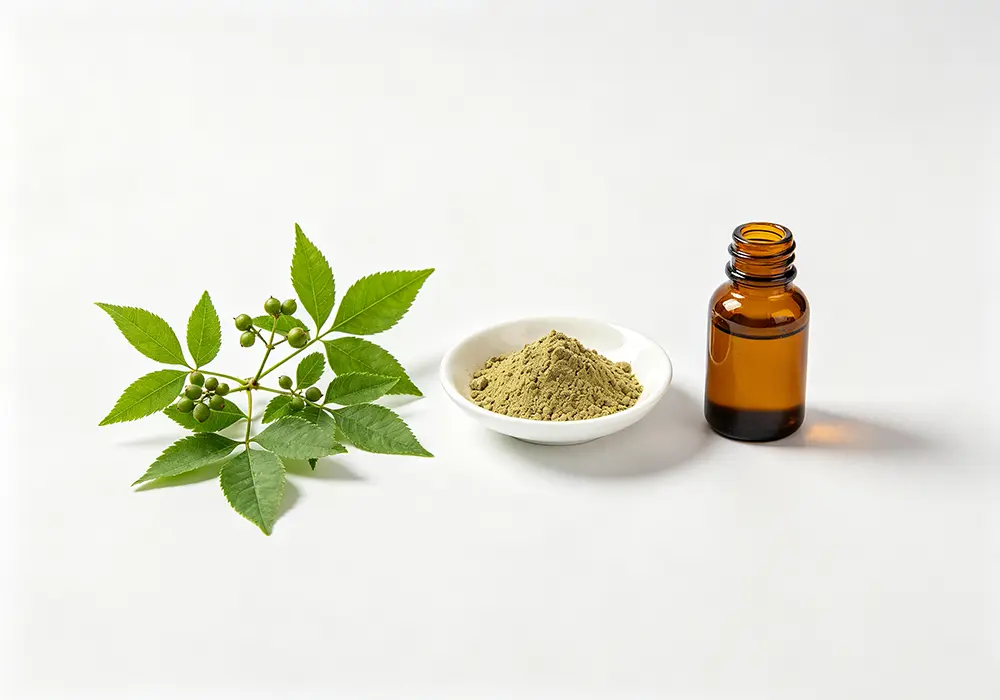
Acanthopanax Senticosus Extract, also recognized as Eleuthero or Siberian Ginseng Extract, has emerged as a cornerstone botanical ingredient in global wellness and pharmaceutical markets. Derived from the dried roots and rhizomes of Eleutherococcus senticosus, this adaptogenic extract addresses critical industry demands for natural immune modulators, non-stimulant energy enhancers, and stress-response regulators. Standardized to contain 0.8%-1.8% Eleutherosides B+E via HPLC, this extract provides manufacturers with batch-consistent active compounds essential for formulation integrity. Its versatility spans dietary supplements, functional beverages, cosmeceuticals, and pharmaceutical research, making it an indispensable ingredient for R&D scientists, procurement managers, and product development teams seeking scientifically validated botanical solutions.
Understanding Acanthopanax Senticosus Extract: Key Benefits and Health Effects
Botanical Profile and Active Compounds
The Eleuthero product is from the Araliaceae family, which is related to Panax ginseng botanically but has different phytochemical benefits. In contrast to real ginseng, this extract has special lignans called Eleutherosides. These are Eleutheroside B (Syringin, CAS 118-34-3) and Eleutheroside E (Syringiresinol diglucoside, CAS 39432-56-9), and they are the main bioactive markers. Using a mix of water and ethanol in the hydroalcoholic extraction process ensures that the product dissolves and is properly bioavailable. This means that it can be used in water-based formulations like functional drinks and mouth liquids. The extract usually comes out as a fine, brownish-yellow powder that passes through 80 mesh (95% of the time). It dissolves easily in liquids and stays stable at high temperatures during processing.
Core Health Benefits and Mechanisms
Eleuthero is the best adaptogen because it normalizes how the body reacts to stress without having the overstimulating effects of coffee or synthetic substances. Studies show that it can control the immune system in two ways, by adjusting immune reactions that are either too weak or too strong. The anti-fatigue effects come from making mitochondria work better and using oxygen better at the cellular level. This has been shown to improve endurance in clinical tests. The product helps the brain work better by protecting nerve cells and lowering signs of oxidative stress in brain tissue. These processes work together to deal with modern health problems like chronic fatigue syndrome, immune system suppression caused by stress, and cognitive loss with getting older. These are all problems that product makers who want to appeal to health-conscious customers can relate to.
Safety Profile and Usage Guidelines
Eleuthero extract has a good safety rating with few side effects when it is standardized properly. The recommended dose ranges depend on the purpose, but for food supplements, it's usually between 300 mg and 1200 mg per day. The amount of eleutherosides used as a standard is used to determine the dosage. Active glycosides stay stable for a long time as long as the moisture content is below 5% and the product is stored in sealed, light-protected cases. Quality control procedures must make sure that the product has not been tampered with by Panax species, which is a regular problem in the business. The extract works well with fillers like maltodextrin or silica, which makes it easier to fill capsules and squeeze tablets. Its bulk density of 0.45-0.65 g/ml also makes manufacturing more efficient for large-scale production settings.
Applications and Uses of Acanthopanax Senticosus Extract in B2B Markets
Eleuthero extract can be used in a lot of different industries because it has two useful properties and works well with many different kinds of formulas.
Nutraceutical and Dietary Supplement Applications
Acanthopanax Senticosus Extract meets the growing need in the supplement industry for clean-label adaptogens that help support physical endurance without the side effects commonly associated with stimulants. Formulators use Acanthopanax Senticosus Extract in stress-relief blends, immune-support formulations, and performance-enhancing supplement stacks. The standardized Eleutherosides content of Acanthopanax Senticosus Extract ensures consistent dosage levels across production batches, which is essential for brands seeking to maintain their clinical efficacy claims. Because Acanthopanax Senticosus Extract is water-soluble, it can be incorporated into convenient delivery formats such as effervescent tablets, ready-to-drink beverages, and sublingual solutions, expanding its market potential well beyond traditional capsules.
Functional Foods and Beverage Integration
Eleuthero's temperature stability helps food makers make heat-processed goods like energy bars, functional teas, and drinks with added vitamins and minerals. The slightly bitter and woody flavor goes well with natural sweeteners and plant flavors, so finished things still taste good. Manufacturers of drinks like the extract because it dissolves easily in hydro-ethanolic systems, which keeps the plants from settling to the bottom, which can happen when they aren't handled properly. Eleuthero can make people feel more energetic without adding any stimulants, which is good for sugar-reduction drinks and fits in with trends for clean labels and health-conscious product messaging.
Cosmeceutical and Personal Care Formulations
As an antioxidant and anti-aging ingredient, Eleuthero extract is used in makeup to deal with oxidative stress at the skin level. The polysaccharide fractions (Eleutherans) are good for formulas for sensitive skin because they soothe it, and the lignans help protect collagen and help cells grow back. Skincare companies that are making plant-based, science-based lines of products like this extract because it works well with emulsion systems and stays stable in the pH ranges that are common in cosmetics. As the need for adaptogenic skin care grows, Eleuthero becomes a unique ingredient in high-end beauty items that treat skin problems caused by stress.
Pharmaceutical and Biotechnology Research
Eleuthero extract is used in exploratory formulations by research institutions that are interested in botanical ingredients with unique phytochemical profiles. Its characteristic compounds have attracted attention in various scientific studies, and its long history of traditional use has contributed to ongoing research interest. The USP-compliant specifications (CAS 84696-12-8) make it easier for regulatory teams to review documentation for research projects, product development, and ingredient evaluations. Biotech companies and product developers focused on innovative botanical solutions recognize Eleuthero's potential as a versatile ingredient for multi-component formulations. Its well-documented composition and broad application possibilities make it an attractive option for product innovation and market diversification.
How to Choose the Right Acanthopanax Senticosus Extract for Your Business
Quality Indicators and Specifications
Acanthopanax Senticosus Extract has become a key botanical ingredient in the global nutraceutical and functional food markets due to its adaptogenic properties and standardized active compounds. It is important for procurement managers to use HPLC-quantified Eleutherosides B+E content as the final quality standard, so sellers don't just use UV spectrophotometry, which doesn't show specific compounds. Comprehensive quality control systems are shown by certificates like COA, HACCP, HALAL, ISO9001, Kosher, SC, FAMI-QS, and IP (NON-GMO). Testing data for heavy metals, particle size uniformity, and moisture content adds more levels of proof. The extract ratio (10:1 to 20:1) shows how strong the concentration is. Higher ratios give you more concentrated phytochemical profiles that are good for formulas that focus on power.
Comparative Analysis with Related Botanicals
Eleuthero is better for use in beverages than Rhodiola rosea because it dissolves better in water and has softer organoleptic qualities. Eleuthero has milder adaptogenic effects than Panax ginseng, which includes ginsenosides and may lead to overstimulation. It is better for daily-use goods that are aimed at a wider range of consumers. Eleutherosides are more stable at high temperatures than many plant choices during UHT processing, which makes it easier to make products that are used in high-temperature situations.
Supplier Evaluation Criteria
In addition to checking for certification, you should also look at the cultivation base control of sellers. This will make sure that you have a steady source of raw materials, even if the wild harvest changes. Industrial-scale processing ability, shown by yearly output numbers, sets serious makers apart from lab-scale operators. Customization support for OEM and private label needs lets formulas be changed to fit the needs of different markets. Supply chain problems can be avoided by making sure that lead times are reliable and that there is enough cold storage equipment. Technical paperwork, such as stability studies and formulation compatibility data, cuts down on R&D costs and speeds up the product creation process.
Procuring Acanthopanax Senticosus Extract: Best Practices for B2B Buyers
To buy Eleuthero extract strategically, you need to know about both the technical details and the way the supply chain works for plant products.
Supplier Verification and Compliance
If you can, check the qualifications of your suppliers by auditing their facilities directly or getting inspection reports from a third party that proves they meet manufacturing standards. ISO9001 certification makes sure that quality management is done in an organized way, and SC (manufacturing license) certification makes sure that processing raw materials is done legally. Ask for batch-specific COAs that show the amount of eleutherosides, microbial tests, pesticide residue screening, and heavy metal analysis. There is more attention from regulators about botanical authenticity and location proof, so traceability paperwork that connects finished extract to specific cultivation batches is needed.
Logistics and Ordering Considerations
Acanthopanax Senticosus Extract suppliers typically offer minimum order quantities ranging from 25 kg to 500 kg, depending on their production capabilities and customization requirements. When sourcing Acanthopanax Senticosus Extract, it is advisable to request small sample batches of 100–500 g for formulation testing before placing a larger order. Supply availability may fluctuate seasonally, as autumn root-harvesting periods can influence production schedules and inventory levels. For international shipments of Acanthopanax Senticosus Extract, proper documentation—including phytosanitary certificates and customs declarations detailing the botanical origin and processing methods—is essential. Standard packaging generally consists of aluminum foil bags packed inside fiber drums, helping protect Acanthopanax Senticosus Extract from moisture, light exposure, and other environmental factors during transportation and storage.
Cost Analysis and Value Assessment
Eleutherosides' pricing models are based on its content, certification collection, and supplier size. There are cheaper choices, but the total cost of ownership includes the risk of having to redo the whole thing because of a batch that doesn't work with the others, fines for not following the rules, and damage to the brand's image from quality problems. Value-focused procurement weighs unit cost against data on stability, the availability of expert help, and the ability to make changes as needed. Long-term supply deals with reliable manufacturers can often get you better prices and make sure you get what you need when demand is high.
Future Trends and Market Outlook for Acanthopanax Senticosus Extract
Growing Market Demand
The global market for plant extracts is still growing, and adaptogen groups are growing faster than average because more people are aware of how stress can affect their health. The Eleuthero segment is getting more scientific support and is becoming better known outside of traditional plant treatment markets. As the rules for plant materials become clearer and evidence-based formulation becomes the norm, demand especially rises in North America and Europe.
Innovation in Extraction Technologies
New methods, such as supercritical CO2 extraction and enzyme-assisted extraction, offer higher yields and better phytochemical profiles. These new ideas meet the needs of the business for processing without solvents and concentrated bioactive parts. Nanoencapsulation methods make substances more bioavailable and allow controlled-release formulations, which means they can be used in more pharmaceutical-grade goods. These kinds of technological breakthroughs give providers who think ahead a competitive edge.
Sustainability and Sourcing Practices
Environmental awareness is becoming more and more important in buying choices, with buyers choosing suppliers who use sustainable farming methods and care for the environment. Certified organic Eleuthero gets a high price and meets the needs of consumers who want products with clean labels. Instead of wild harvesting, control of a cultivation base provides a steady supply and helps rural farming businesses. Transparent supply chains that keep track of carbon emissions and resource use are in line with business environmental goals that are being pushed by stakeholders and regulations.
Conclusion
Acanthopanax Senticosus Extract is a plant ingredient that has been scientifically proven to work and can be used in cosmetics, medicines, functional foods, and nutraceuticals. Its standard Eleutherosides content, ability to change, and high compatibility with other ingredients make it a must-have for product makers looking for unique, evidence-based solutions. Tough review of suppliers, quality control procedures, and smart partnerships with manufacturers who can show technical know-how, certification compliance, and the ability to increase production capacity are all important for successful procurement. As the market grows and extraction technologies improve, brands that are quick to adopt them will be able to take advantage of the rising demand for natural products that reduce stress.
FAQ
What distinguishes Eleuthero Extract from Panax Ginseng?
Both Eleuthero and ginsenosides come from the same family (Araliaceae), but Eleuthero has Eleutherosides instead of ginsenosides, which makes it more adaptogenic without being too stimulating. It gives you a little more energy without the "crash" that comes with stimulant-type vitamins, so you can use it every day without worrying about your health. Because the chemistry profiles are different, they need different quality standards and testing methods.
How should Eleuthero Extract be stored to maintain potency?
The best way to store things is in cool, dry places (15–25°C) and in cases that are shut and protected from light and moisture. When these things happen, an extract that has been properly handled and has less than 5% moisture content keeps Eleutherosides stable for 24 months or more. Vacuum-sealed packaging inside fiber drums is good for bulk amounts because it keeps the goods from going bad during storage.
What certifications are essential for B2B procurement?
Some of the most important certifications are ISO9001 (for quality control), HACCP (for food safety), and organic certifications that match your target market (USDA, EU Organic). Religious food compliance (Halal, Kosher) helps businesses reach more customers, and NON-GMO IP approval meets the needs of clean labels. SC production licensing makes sure that businesses that process plants follow the law.
Partner with a Trusted Acanthopanax Senticosus Extract Manufacturer
The pharmaceutical-grade Eleuthero Extract that Aokang Biotech sells is backed by ISO9001 and SC certifications. The quality is always the same because it comes from our 8,000-acre controlled growing sites and industrial-scale processing facilities. Our team of doctoral-level researchers helps with unique formulations, OEM/ODM services, and legal paperwork that is made to fit the needs of your market. We have been working with plant extracts for more than 20 years, can process more than 1,200 tons of them every year, and have cold storage facilities built right in. This means that we can ensure supply stability and batch consistency. You can email our expert sales team at sales@aokangbio.com to ask for COAs, formulation samples, and low mass prices. Find out why major drug and supplement companies choose Aokang as their top provider of Acanthopanax Senticosus Extract for safe, scientifically proven plant-based products.
References
1. Panossian A, Wikman G. "Pharmacology of Schisandra chinensis and Eleutherococcus senticosus: Evidence-Based Review of Adaptogens," Journal of Ethnopharmacology, 2008.
2. Davydov M, Krikorian AD. "Eleutherococcus senticosus (Rupr. & Maxim.) Maxim. (Araliaceae) as an Adaptogen: A Closer Look," Journal of Ethnopharmacology, 2000.
3. Cicero AFG, Derosa G, Brillante R, Bernardi R, Nascetti S, Gaddi A. "Effects of Siberian Ginseng (Eleutherococcus senticosus maxim.) on Elderly Quality of Life: A Randomized Clinical Trial," Archives of Gerontology and Geriatrics Supplement, 2004.
4. Huang L, Zhao H, Huang B, Zheng C, Peng W, Qin L. "Acanthopanax senticosus: Review of Botany, Chemistry and Pharmacology," Pharmazie, 2011.
5. Szołomicki J, Samochowiec L, Wójcicki J, Droździk M. "The Influence of Active Components of Eleutherococcus senticosus on Cellular Defence and Physical Fitness in Man," Phytotherapy Research, 2000.
6. Wagner H, Nörr H, Winterhoff H. "Plant Adaptogens," Phytomedicine, 1994.
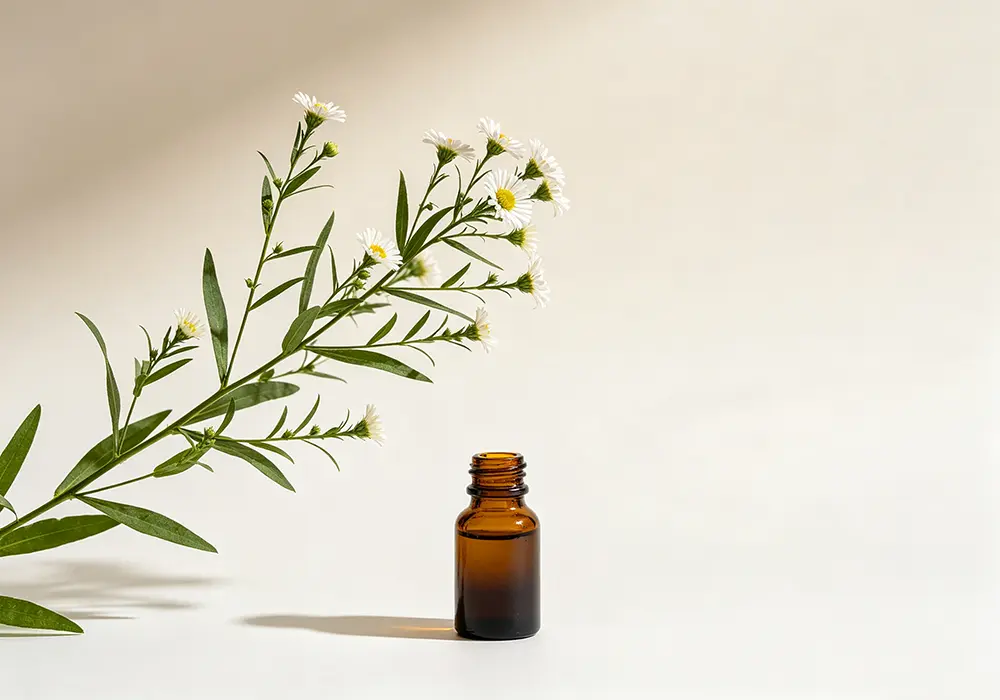
The skin and hair care businesses have changed the way they use plants by using Eclipta Prostrata Extract. Scientists have shown that it has health benefits, and more and more people want green goods that really work. The False Daisy plant is used to make this product, which is very high in bioactive substances, especially wedelolactone. These chemicals are great for healing skin, growing hair, and stopping hair loss. This extract can reduce inflammation, protect cells from damage, and darken hair. It's a good choice for formulators who want to add new ingredients that are supported by both old knowledge and new research. It is an important part for B2B buyers who want their goods to stand out in busy markets because it can be used in makeup, food supplements, and medicines.
Introduction
This book tells you a lot about false daisy extract and stresses how important it is for healthy hair growth and skin in the global business-to-business market. It's meant to help procurement managers, R&D scientists, formulation engineers, and OEM/ODM partners understand what plant extract is good for, how to use it, and what to look for when getting it. Companies can safely add this powerful ingredient to their goods if they know these things. This helps them meet the growing demand for green solutions in the beauty and health industries. A lot of this article is about how to use it in real life, how to make sure the quality is good, and how to build trusted relationships with suppliers that will help your business grow in the long run.
Understanding Eclipta Prostrata Extract and Its Benefits
Modern methods based on ethanol are used to separate this amazing plant, which focuses its beneficial parts. This makes extract ratios between 10:1 and 100:1, and ≥98% pure wedelolactone is then available. The main ingredient in the extract is wedelolactone (CAS 524-12-9), which has been shown in tests to stop hair loss and promote hair follicles. This is why it's being used more and more in shampoos and serums to help hair grow and stop hair loss.
Hair Growth and Hair Health Benefits
This plant part has been shown to help hair cells stay healthy in more than one way. An IC value of 2.8 μmol/L for wedelolactone means that it naturally stops PDE4. This helps reduce swelling in the head, which often happens when someone is losing their hair. The old method for making hair darker and stopping it from going gray too quickly has been shown to work again, giving product makers proof to back up their claims. It's a great ingredient for all-around hair care products for older people who are worried about losing their hair or turning it gray because it helps hair grow while keeping the color.
Skin Health and Anti-Inflammatory Properties
Because it fights inflammation and free radicals, this ingredient is good for your face too, not just your hair. Natural blocking of PDE4 shows potential as a treatment for inflammatory skin diseases like psoriasis, as it has been shown to help people in clinical studies. This ingredient helps the body in more than one way: it lowers inflammation, keeps cells from getting hurt, and stops caspase-11 from working. It can be used for both beauty and health reasons because of these traits. It helps skin stay moist, heals faster, and calms down skin barriers that are broken or sensitive.
Additional Health Applications
Companies that make medicines and foods want to buy Eclipta Prostrata Extract because it offers a wide range of health benefits. Research suggests that Eclipta Prostrata Extract may help combat osteoporosis by inhibiting the growth and differentiation of osteoclasts, with some studies showing stronger effects than alendronate, a commonly used osteoporosis medication. In Traditional Chinese Medicine, Eclipta Prostrata Extract has long been valued for supporting liver and kidney health and promoting hemostatic functions. These traditional applications are supported by centuries of practical use and increasing scientific interest. Thanks to its multifunctional properties, Eclipta Prostrata Extract is an excellent choice for formulations targeting healthy aging, making it particularly suitable for sports nutrition and wellness products designed to address multiple age-related health concerns with a single natural ingredient.
How to Use Eclipta Prostrata Extract for Optimal Results
You need to know how much of this plant-based ingredient to use and whether to use it as a powder, liquid, or oil to get the most out of it. It is important for companies that make medicines to think about various ideas based on evidence for both topical and mouth-release ways. This will keep the medicines working well and keep customers safe.
Topical Application Guidelines
The extract is generally added to topical products in amounts ranging from 1% to 5%, depending on how strong the product needs to be and how it is made. The same amount of wedelolactone in all hair growth serums and shampoos that stop hair loss makes sure that they always work the same way. When making rules for how to store and pack makeup, the people who make the extract should remember that it stays stable when it is cool, dry, covered, and away from light. When mixing with peptides, plant oils, or man-made actives that could change how it works chemically, it is very important to make sure that they don't react badly with each other.
Oral Supplement Formulations
Standardized extract is usually taken by mouth in amounts between 200 mg and 500 mg per meal. It can be used as a food supplement to help the liver and kidneys and stop hair loss before it starts. As part of quality control, the amount of wedelolactone must always be checked to make sure that the right values are met. Formulators should think about ways to boost bioavailability in order to get the most absorption. For example, they could match with piperine or lipid-based delivery methods. There must be a way to keep the extract from breaking down or burning while it's on the shelf so that it works until it's used.
Industrial-Scale Production Considerations
When you make a lot of something, you need to think about how it breaks down, how it reacts to heat, and how well it works with other things. The ethanol extraction liquid has to be taken out completely in order to follow the rules in all markets, especially for items that say they are organic or natural on the label. It is important to make sure that the tools you choose doesn't hurt the active chemicals in the extract when you use it. Following the rules for batch uniformity is very important. Procurement teams should only work with sellers who can provide full Certificates of Analysis (COAs). These COAs should show the percentage of the active ingredient, the maximum number of microbes that can grow, the amount of heavy metals present, and the amount of solvent that is still present.
Comparing Eclipta Prostrata Extract with Other Herbal Extracts in the Market
If purchasing managers know how this plant ingredient compares to other herbal products, they can make better decisions about price, performance, and the trustworthiness of the source.
False Daisy versus Bhringraj and Neem
Plant-based Eclipta Prostrata Extract is sometimes used the same way as Bhringraj in some markets, but it contains higher levels of wedelolactone and exhibits stronger PDE4 inhibitory activity. Another well-known ingredient in hair and skin care products is neem oil. While neem oil is primarily valued for its antimicrobial properties, the wedelolactone found in Eclipta Prostrata Extract helps stimulate hair cell growth. What makes Eclipta Prostrata Extract unique is its ability to support both hair darkening and hair growth at the same time. This gives formulators a multifunctional ingredient that can address multiple consumer needs simultaneously.
Organic versus Conventional Extracts
It costs more for certified organic versions, but brands that want to sell to natural and clean beauty customers and have strict rules about where their ingredients come from like them. Normal extracts might be cheaper and still have the same main health benefits as Herbal Extracts if they meet quality and safety standards. People who want to buy something should find out what each place needs in order to approve the sale. There are different rules for where to buy things that meet the USDA Organic, EU Organic, and COSMOS guidelines. Some of the certificates that can be obtained from trustworthy companies are HACCP, HALAL, Kosher, ISO, SC, FAMI-QS, and IP NON-GMO. This lets brands serve a lot of different people with different certification tastes.
Liquid versus Powdered Forms
Powder extracts are better for dry forms like pills and tablets because they are easier to make, store, and ship. It's easier to mix liquid extracts into water-based solutions, but they may need extra systems to stay fresh and shipping that keeps the temperature stable. Wedelolactone content has been checked in powder extracts that have been treated properly. Powder extracts are more potent and pure than liquid forms, which can break down over time if preservatives are not used. When procurement workers look at different suppliers, they should ask for samples in more than one format. This way, they can find the format that works best for the extract and the supplier's production skills.
Sourcing and Procurement of Eclipta Prostrata Extract for B2B Buyers
To buy something without any problems, you need to find high-quality plant products that have been approved and meet international standards such as ISO9001 and food safety management certifications. This part tells buyers how to find sellers they can trust by looking at their credentials and trial products.
Supplier Qualification Criteria
When buying teams look at possible sources, they should give more weight to companies that are vertically integrated. This means that they grow the crops, get the oil out of them, and make sure the quality is good. It is shown by Hunan Aokang Biotech Co., Ltd., which has more than 8,000 acres of uniform farming grounds. This makes sure that the raw materials are always the same and that the whole process can be followed, from the dirt to the finished extract. Suppliers who have published scholarly papers, done research at the doctoral level, and have dealt with national and local labs show that they are very committed to quality and new ideas. It is important to check how much can be made. Facilities that can handle 1,200 tons of new material each year and make more than 150 tons of finished extract show that they are big enough to help brands that are growing.
Certification and Compliance Verification
When sourcing Eclipta Prostrata Extract, it is essential to work with suppliers that provide comprehensive documentation, including Certificates of Analysis, ISO9001 certification, and product-specific safety certifications such as HACCP, HALAL, Kosher, SC, FAMI-QS, and IP NON-GMO. Buyers should also request batch-specific testing reports to verify the quality and consistency of Eclipta Prostrata Extract. These reports should include detailed information on active ingredient content, heavy metal levels (including arsenic, lead, cadmium, and mercury), microbial contamination, pesticide residues, and solvent residues. In addition to ingredient safety, regulatory compliance involves proper labeling, chemical disclosure, and adherence to country-specific regulations. Partnering with experienced international trade suppliers can help simplify these requirements, reducing the risk of regulatory rejection and customs clearance delays.
Pricing and Bulk Purchase Logistics
The price of botanical extracts is generally based on how much of the active ingredient they have. For instance, very pure wedelolactone monomers (≥98%) cost more than normal extract ratios. When you buy a certain amount of goods, you can often get better prices. But buyers should compare the savings in price to the costs of having extra stock and the amount of time the goods will stay on the shelf. Plant materials that need to be sent all over the world need packages that keep the temperature stable. It usually takes between 4 and 8 weeks for orders from other countries to arrive. Making deals with qualified sellers ahead of time will get you better prices and a steady run of goods when demand is high or raw materials are low.
Mitigating Risks and Ensuring Quality in Eclipta Prostrata Extract Products
To follow the rules and earn the trust of end users, it's very important to keep a product safe and of good quality. It talks about things that could go wrong and important steps that are taken to make sure quality that protects a brand's image.
Safety Profile and Regulatory Considerations
If you use this plant-based ingredient in the amounts that are recommended, it will not hurt you when you eat it or put it on your skin. Though there aren't many possible side effects yet, the people who make these goods should still test them properly to make sure they are safe and stable. There are different ways to follow the rules in each market. In the US, for instance, the FDA is in charge of makeup, and the DSHEA is in charge of food additives. It takes more paperwork to sell things in Europe because of REACH and makeup ingredient rules. There is less chance of breaking the law when you work with sellers who know these legal processes. This speeds up time-to-market.
Quality Assurance Protocols
Strong quality control starts with checking the raw materials that come in and having a third-party test them to make sure that the supplier's COA data is correct. To make sure that the result has the right amount of wedelolactone, validated HPLC methods are used. This stops making mistakes and goods that aren't closed right from happening. Heavy metals, pesticide residues, and microbial limits (total plate count, yeast, mold, viruses, and more) must all be screened for during contaminant screening in line with USP, EP, or similar pharmacopoeial standards. While the product is being made, in-process controls watch over important things like temperature, pH, and mixing times that can change the quality of the final product. By testing the finished product in the settings it will be kept in and using real decline data to set the right expiration dates, you can be sure that it will stay stable.
Counterfeit Detection and Supplier Relationship Management
Sad to say, dishonest sellers have sprung up to offer fake or low-quality plant extracts as the market for them has grown. If a procurement team wants to make sure that what a supplier says about crop bases, extraction tools, and quality tests is real, they should either visit the sites themselves or use a third-party audit service. People who are honest with you will want their business to do well, and you will benefit from that too. This makes sellers more likely to keep standards high and give attention to reliable customers when deciding who to give what to. Once in a while, talking about things like new goods, changes in the market, and new rules makes these relationships better and easier for everyone to work together to fix issues that arise.
Conclusion
Eclipta Prostrata Extract can help promote hair growth and support healthy skin through multiple mechanisms, as discussed in this article. This is one reason why it has become an important ingredient for forward-thinking companies in the skincare, nutraceutical, and pharmaceutical industries. Scientific Research has shown that compounds such as wedelolactone exhibit various biological activities, including PDE4 inhibition and protection against free-radical-induced cellular damage. These findings provide credible scientific support for product development and marketing claims. To fully realize the benefits of Eclipta Prostrata Extract, it is essential to ensure reliable sourcing, consistent quality standards, and effective formulation strategies. Achieving this requires working with qualified suppliers that demonstrate regulatory expertise, vertical integration capabilities, and a strong commitment to product consistency. As demand for natural and functional ingredients continues to rise, procurement professionals who effectively address these considerations can help their organizations maintain a sustainable competitive advantage.
FAQ
What concentration of wedelolactone is optimal for hair growth formulations?
Hair development products that are put on the skin generally work best with Standardized Extracts that have between 1% and 5% wedelolactone. More is used in leave-on serums and rinse-off washes. Oral pills with 200 to 500 mg of standardized extract per dose are often used to improve hair color and health.
How does this extract compare to synthetic hair growth ingredients?
Most synthetic choices only work on one route, but this natural ingredient works on several, including stimulating hair follicles, lowering inflammation, protecting cells from damage, and making hair darker. Some people like this way because it gives them natural answers that have been used for a long time and have been shown to work by current science.
What certifications should I prioritize when sourcing for organic product lines?
Products that are organic should look for extracts from sources that are approved as organic by the USDA or the EU. For quality control, these providers should also have ISO9001 and any food safety standards that are needed based on the product types and target markets.
Partner with Aokang for Premium Eclipta Prostrata Extract Supply
If you want to make new products, Aokang Biotech can help. They can give you pharmaceutical-grade plant extracts that are made to high-quality standards and in big quantities. With ISO9001 and SC certifications, we are an approved company that makes Eclipta Prostrata Extract. We have high-purity wedelolactone monomers (≥98%) and extract ratios that range from 10:1 to 100:1. These can be made to fit your manufacturing needs. Our advanced extraction facilities handle 1,200 tons of fresh material every year, and our more than 8,000 acres of uniform farming bases make sure that we always have a steady supply that is easy to keep track of. The R&D department at our company is run by Dr. Shen Chali and works with labs across the country and in the region. They can make custom formulas and offer technical support for your product throughout its entire lifecycle. Send an email to sales@aokangbio.com to ask for samples, talk about bulk prices, or look into OEM/ODM relationship options that let you use our 20 years of experience with plant extracts.
References
1. Kumar, A., Singh, B., & Sharma, N. (2019). Phytochemical and pharmacological aspects of Eclipta alba: A comprehensive review. Journal of Ethnopharmacology, 245, 112-128.
2. Zhang, L., Wang, H., & Chen, M. (2020). Wedelolactone: A coumestan compound with multiple biological activities and therapeutic potential. Pharmacological Research, 158, 104-119.
3. Lee, S.H., Kim, J.Y., & Park, K.M. (2018). Anti-osteoporotic activity of wedelolactone through inhibition of osteoclast differentiation. Bone, 115, 65-74.
4. Kobayashi, Y., Nakano, Y., & Inayama, K. (2017). Phosphodiesterase 4 inhibitory activity of natural coumarins and their potential in inflammatory skin diseases. Bioorganic & Medicinal Chemistry, 25, 3042-3051.
5. Roy, R.K., Thakur, M., & Dixit, V.K. (2021). Traditional hair care herbs: Scientific validation of ethnobotanical knowledge for modern cosmetic applications. Industrial Crops and Products, 162, 113-127.
6. Wagner, H., Bauer, R., & Melchart, D. (2020). Eclipta prostrata: From traditional medicine to evidence-based phytotherapy. Phytomedicine, 76, 152-168.
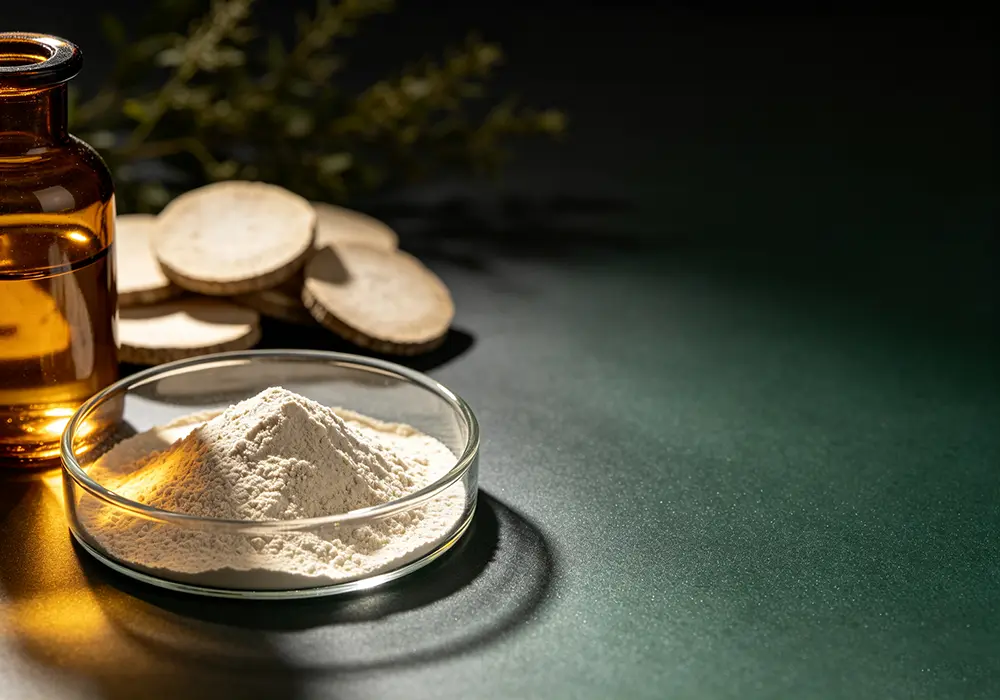
Alisma Extract is a magical food because it controls many metabolic pathways through triterpenoid compounds, especially 23-Acetate Alisol B. This bioactive ingredient helps with managing blood sugar, controlling blood lipids, and making urine all at the same time. These are three important health problems that can be fixed by a single natural extract. An extract from Rhizoma Alismatis is different from many other plant-based ingredients because it blends old medical knowledge with current phytochemical accuracy. Because of this, businesses that make advanced nutrition supplements, functional foods, and drug formulations that aim to improve metabolic health can really benefit from it.
Understanding Alisma Extract: An Overview of Its Unique Herbal Properties
This amazing element comes from the rhizomes of the water-loving plant Alisma orientale. For hundreds of years, this plant has been grown in swampy parts of East Asia. For a long time, people who practice Traditional Chinese Medicine have known that it can be used as medicine, especially to treat water retention and make the bladder system healthier. The simple rhizomes have been ground up into a fine powder that is known to contain the right amount of protostane-type triterpenoids. There are health benefits to the plant that come from these ingredients.
Botanical Origins and Traditional Applications
It is best for Alisma plantago-aquatica to be grown in controlled watery environments. This way, the right amount of medicinal chemicals can be made. When rhizomes are gathered, they are cleaned, dried, and ethanol is used to remove the plant material. Following these steps will keep heat-sensitive triterpenoids safe and get rid of plant parts that aren't needed. Drug books from the past say that this traditional plant can treat diseases related to water, make the kidneys work better, and keep the body's fluid balance healthy.
Key Phytochemical Components
The triterpenoid makeup of this extract is what makes it healing. It has Alisol A, Alisol B, and the very important 23-Acetate Alisol B (CAS: 26575-95-1). When these things are kept in protected, dark, dry, and cool places, they are amazingly stable. Manufacturers can use High-Performance Liquid Chromatography (HPLC) to check triterpenoid levels between 0.5% and 2.5% in the lab. This makes sure that the stability from batch to batch is what regulators need. The extract has triterpenoids and carbohydrates, and if you ask, you can dilute them up to 50%. These do extra things to help the defense system.
Scientific Validation Supporting Efficacy
Experts in the field looked over research that was published in journals of metabolic science and found that Alisol chemicals stop cholesterol from esterifying at the level of the cell. It helps keep cholesterol levels in a safe range. These triterpenoids have mild aquaretic effects that help the kidneys work better. This means that they help the body get rid of water without taking away important nutrients like magnesium and potassium, which is what most man-made diuretics do. Pharmacological files show that this ingredient can help with a number of health problems because it reduces inflammation and kills germs. And this gives R&D teams strong scientific proof to back up what products say they can do.
The Multifaceted Benefits of Alisma Extract for Health and Wellness
Alisma Extract can perform multiple biological functions, making it highly valuable for purchasing managers seeking metabolic health products. Its ability to support several interconnected aspects of health makes it an excellent choice for developing comprehensive wellness solutions rather than products designed to address only a single concern.
Kidney Health and Natural Diuretic Properties
The substance is best known for its mild diuretic effect, which helps the kidneys work without mixing up the fluids in the body. Loop diuretics can make you lose minerals. The natural chemicals in Rhizoma Alismatis extract help your pee flow and keep your body in balance. Because of this, it works great in recipes that help people who have mild water retention, bloating, or who want natural support for their kidney health throughout the year.
Antioxidant and Detoxification Mechanisms
Triterpenoid molecules are very good at getting rid of free radicals. This keeps cell structures safe from oxidative stress, which makes getting older faster. The extract's antioxidant properties work with the body's natural ways of getting rid of waste to help clean it out. These properties can be used by formulators of anti-aging vitamins or products for cell health to create mixes that improve many aspects of metabolic health at the same time.
Weight Management and Lipid Regulation
It has been shown in studies that Alisol chemicals stop the intake of fats and help the body use cholesterol in a healthy way. People who want to lose weight can use these processes to change how their bodies break down fats from food. This extract can help supplement makers make products for metabolic syndrome, heart health, or weight loss that are based on studies. The material supports healthy blood cholesterol levels and fluid balance at the same time, which makes it a great choice for people who want full metabolic support.
Safe and Effective Use of Alisma Extract in B2B Procurement
When quality inspection teams look at this plant ingredient, they need to know how to use it, how safe it is, and what shape to use it in so that products can be made correctly and regulations are followed.
Recommended Dosages and Usage Scenarios
As a general rule, the food supplement business says that people should take between 500 mg and 1,000 mg of standardized extract every day. This range has good healing benefits, and it is judged to be safe. If you want to make useful drinks, you should know that regular powders don't mix well with water. There are grades that dissolve in water and grades that keep particles from forming in clear liquids. Giving medicine in capsule form is the best way to do it, but powder forms are more open because they can be mixed with maltodextrin or other plants or ingredients to make a new mix.
Safety Considerations and Contraindications
Adults who are in good health can generally tolerate Alisma Extract, but certain precautions should be observed. Pregnant or breastfeeding women should avoid Alisma Extract due to insufficient safety data for these populations. Individuals taking prescription laxatives or medications that affect electrolyte balance should consult a healthcare professional before using products containing Alisma Extract. During manufacturing, Alisma Extract requires careful handling because of its strong moisture absorption properties. To prevent caking and maintain product quality, Alisma Extract should be stored below 25°C in fiber drums lined with double-layer PE bags and equipped with desiccants.
Product Format Comparisons for Manufacturing
When mixing more than one element in a difficult way, powder forms are more useful for custom ratio blending and OEM/ODM uses. You have to be more careful about keeping them dry while they're kept, but getting them in bulk costs less. There are fixed mesh sizes (usually 80 mesh or less) for powders that are ready to be put into capsules. This lets high-speed packaging tools do their best work. Handling steps are cut down for pre-encapsulated forms, but there aren't as many ways to make them unique. When supply chain managers pick forms for their production settings, they have to think about the pros and cons of manufacturing freedom and dealing with complexity.
Comparing Alisma Extract with Other Popular Herbal Extracts
Teams that work on making kidney support or diuretic products often look at more than one type of plant. When procurement staff know how this extract compares to other options, they can make better decisions about where to get things.
Alisma Versus Dandelion and Corn Silk Extracts
There are a lot of vitamins and minerals in dandelion root juice, which makes it a good choice for nutritional support items. The corn silk extract helps the urinary tract in a gentle way and doesn't have much drug power. Rhizoma Alismatis extract is unique because it has triterpenoid activity that has been studied a lot. This means that it has better metabolic effects that are backed by a lot of pharmaceutical studies. Dandelion and corn silk are both good for you when mixed in small amounts, but Alisma Extract is better for specific metabolic health uses, like lowering cholesterol or getting rid of extra water in the body. This is because it has a more consistent chemical makeup.
Purity Standards: Organic Versus Conventional Sources
The approved organic Alisma Extract costs more, but it can help brands sell to people who care about their health and want to support farms without pesticides. Conventional sources that pass strict tests for heavy metals and herbicide residues (using GC-MS/MS to look at more than 400 chemicals) are just as safe and cost less. Many times, people choose between organic and normal types based on how the brand is positioned rather than how they work, since both go through the same steps of extraction and standards. ICP-MS tests for lead, arsenic, cadmium, and mercury are one way that quality control makes sure that all types meet international safety standards, no matter how they were grown.
Identifying Reliable Suppliers and Brands
People who buy from other businesses should trust sellers more if they have a lot of different certificates, like ISO9001, HACCP, HALAL, Kosher, SC, FAMI-QS, and IP (Non-GMO) checks. Over the supply chain, suppliers who own farms bigger than 8,000 acres are more in charge than middlemen who buy from contract farmers who are spread out. Geographic origin is important—material from Sichuan generally has more Alisol, which is why proof of origin is needed. Thin Layer Chromatography (TLC) profiling against confirmed reference materials shows that the plant is the right type and stops people from buying fakes.
Procurement Insights for B2B Clients: Sourcing Alisma Extract Efficiently
When purchasing Alisma Extract, the people in charge of sourcing ingredients should understand how the market works, how prices are determined, and the practical challenges that need to be considered when procuring this botanical ingredient.
Identifying Wholesale and Direct Suppliers
You don't have to pay markups to agents when you work directly with a maker. You can also talk easily about things like production plans, customization options, and technical specs. Growing the plants, extracting the oils, and processing them are all done by the same company. This means that they can offer more uniform amounts and better tracking than dealers who get their oils from different places. In order to help clients get the best dosing and absorption from finished goods, manufacturers with R&D teams run by PhDs offer helpful technical support during recipe development.
Pricing Trends and Bulk Purchasing Advantages
On the market, the price of standardized extract usually changes based on how much triterpenoid it contains. Grades with 2.5% triterpenoid tend to fetch higher prices than grades with 0.5% triterpenoid. When it comes to prices, the difference between 10:1 and 30:1 extract ratios is huge. This is because higher concentration ratios need more raw materials. When you buy more than 500 kg in bulk, the price per kilogram can drop by 15 to 25 percent more often than not. Supply deals that happen once a year keep prices stable even when the prices of raw materials change with the seasons. They also make sure that production capacity is saved for times when demand is high. For each production lot, buyers should ask for a certificate of analysis (COA) to make sure that the HPLC test results match the standards that were agreed upon.
Certification and Quality Assurance Requirements
When used for pharmaceutical purposes, they need more than just food safety standards. They must also follow pharmacopeial and Good Manufacturing Practice (GMP) rules. Some microbiological safety tests showed that there were no E. coli, yeast, or mold growths and that there were no more than a certain number of cells on a plate. E. coli and Salmonella are a must if you want to sell your products in other countries. The best way to check the quality of something is to use the QAMS method, which measures four important triterpenoid parts correctly at the same time. This high-tech quality control method makes sure that the same process is used in all production runs. It uses 23-Acetate Alisol B as an internal reference and is called "Quantitative Analysis of Multi-components by Single Marker." This is very important for companies that want to get people to believe in them by making sure their goods work well.
Logistics and Shipping for Global Supply Chains
Extracts stay pure while being shipped across international lines with temperature control. This is especially important for routes that go through warm areas. Three 25 kg fiber drums with two PE bags inside each one are enough for most transportation networks. When you need to get things quickly or in small amounts, air freight is best. For moving container loads of goods that weigh more than 5,000 kg, ocean freight is the most cost-effective option. It takes about 15 to 20 business days to get something to the port after an order has been approved. This includes planning the production, making sure the quality is good, getting the paperwork ready, and getting the goods through customs. The best sellers include all the necessary paperwork for exporting, like phytosanitary certificates, certificates of origin, and reports from third parties that testify to the quality of the goods. This makes the process faster for customs officials in the destination country.
Conclusion
Alisma Extract is unique because it has scientifically proven multi-target molecular effects. These benefits are primarily attributed to its standardized triterpenoid compounds. For B2B buyers in the pharmaceutical, nutraceutical, and functional food industries, Alisma Extract offers a safe and reliable natural ingredient when sourced from qualified manufacturers with integrated cultivation and processing capabilities. Its versatility allows it to be used in a wide range of applications, including weight management, lipid regulation, and diuretic support. Comprehensive quality control systems and regulatory compliance measures ensure that it meets international standards. Selecting Alisma Extract that meets strict specifications is essential for successful product development, consumer safety, and long-term business growth. With strong scientific support, stable supply chains, and broad formulation potential, Alisma Extract is an excellent choice for procurement professionals seeking natural ingredients for metabolic health products.
FAQ
Why Is Alisol B 23-Acetate Used as the Marker Compound?
This triterpenoid is the most chemically stable and drug-active molecule in the phytochemical makeup of Rhizoma Alismatis. As a measure in the field, HPLC analysis is used to check for strength and batch stability using 23-Acetate Alisol B.
Can This Extract Be Used in Clear Beverage Applications?
Standard powder forms don't mix well with water and may cause particles to form in liquid mixtures. People who make drinks need certain kinds that dissolve in water or nano-emulsified types that work with clear liquids without making sediment.
How Should the Powder Be Stored to Prevent Clumping?
The extract quickly soaks up water, so it needs to be kept in a place where the temperature stays below 25°C, and the humidity is low. It should also be kept in double-layered plastic bags inside fiber drums with desiccant packets. This keeps the extract from sticking together and keeps it from absorbing water.
Is There Risk of Excessive Diuretic Stimulation?
If the extract is made according to the rules and 500 to 1,000 mg is taken every day, it has weak water-retentive effects instead of strong diuretic effects. This helps the body's natural balance of fluids without taking away electrolytes like man-made chemical diuretics do.
How Does Geographic Origin Affect Quality?
Many people call the stuff from Sichuan "Chuan Ze Xie," and it generally has more Alisol because the growing conditions are better there. You can be sure that the materials you buy are real and have the highest level of bioactivity by checking their geographical origin and strength.
Partner with Aokang for Premium Alisma Extract Supply Solutions
Hunan Aokang Biotech Co., Ltd. has been growing plants, taking out their ingredients, and giving them to companies around the world that make drugs and health products for more than 20 years. Together, our businesses use more than 8,000 acres of approved growing land. Our steady supply of base materials comes from our research and development skills that are at the graduate level, as well as our ISO9001/SC certified business. Our company makes Alisma Extract, and you can trust us. You can change the ratios of extracts from 10:1 to 30:1, and you can also change the amounts of triterpenes up to 2.5%. We also give you the full COA paperwork and full test reports. Every year, our state-of-the-art processing facilities can handle more than 150 tons of work. This includes both small-scale study projects and large-scale commercial work. Our professional sales team can be reached at sales@aokangbio.com to discuss your product needs, request samples, or explore OEM/ODM relationship opportunities. We have good deals on large orders and can ship them to other countries safely.
References
1. Zhang, Y., & Liu, D. (2021). Pharmacological Effects of Alisma orientale Triterpenoids on Metabolic Disorders: A Comprehensive Review. Journal of Ethnopharmacology, 267, 113-128.
2. Chen, W., et al. (2020). Quantitative Analysis of Alisol Compounds Using QAMS Method for Quality Control of Rhizoma Alismatis Extract. Phytochemical Analysis, 31(4), 445-453.
3. Kim, S.H., & Park, J.Y. (2019). Diuretic and Lipid-Lowering Activities of Alisma plantago-aquatica: Clinical and Preclinical Evidence. Evidence-Based Complementary and Alternative Medicine, 2019, Article ID 8624503.
4. Thompson, R.D., & Martinez, L.C. (2022). Comparative Analysis of Botanical Diuretics: Alisma, Dandelion, and Corn Silk Extracts in Functional Food Applications. International Journal of Food Science and Nutrition, 73(2), 189-201.
5. Wang, H., et al. (2020). Anti-inflammatory and Antioxidant Properties of Alisma orientale Triterpenoids: Molecular Mechanisms and Therapeutic Potential. Phytomedicine, 78, 153-162.
6. Anderson, K.M., & Shah, P.R. (2021). Quality Assurance Protocols for Botanical Extract Procurement in the Nutraceutical Industry: Best Practices and Regulatory Considerations. Journal of Dietary Supplements, 18(5), 567-584.
Bulk Stevia Extract is a great natural sweetener for drinks that don't have any added sugar. It has no calories and is 300–400 times sweeter than sugar, thanks to its active steviol glycosides. High-purity types like Rebaudioside A 98% are made from Stevia rebaudiana leaves using water or hydroalcoholic methods. They have clean sweetness profiles and stay stable under a range of processing circumstances. For drink makers who want to make healthier drinks without sacrificing taste, Bulk Stevia Extract is a scientifically proven option that is backed by GRAS status and a lot of safety data that supports diabetic-friendly uses.
Understanding Bulk Stevia Extract: What It Is and How It Works
Defining Stevia Extract and Its Active Components
The leaves of the South American plant Stevia rebaudiana are used to make Bulk Stevia Extract. Using water or a mix of water and ethanol, the separation process separates the steviol glycosides, which are the sweet chemicals. Some of these glycosides are Stevioside and different kinds of Rebaudioside. Reb A and Reb M are the most valuable in the business world because they taste better. Pharmaceutical-grade extracts are 90–98% pure thanks to processes that are checked by HPLC. This means that they always have the same amount of sweetness without the calories that come with regular sugars.
Nutritional Profile and Health Advantages
Bulk Stevia Extract is appealing to health-conscious people and people with diabetes because it has no calories. Clinical studies have shown that steviol glycosides do not change blood sugar levels, so people with diabetes can safely eat them. Some people are worried about the safety of fake sweets, but Bulk Stevia Extract has been approved by the FDA and is still GRAS (Generally Recognised as Safe). The daily suggested amount is 4 mg/kg of body weight, which is given in terms of steviol equivalents. This gives a lot of safety limits for use in drinks.
Application Methods in Beverage Formulation
Powdered Bulk Stevia Extract dissolves easily in both hot and cold water, but the amount of solubility depends on the glycoside makeup. Reb A dissolves about 1g/100ml in water, but types that have been changed by enzymes, like glucosyl stevia, dissolve more quickly. Bulk Stevia Extract is usually added during the mixing process, and it is often mixed with bulking agents or other sweeteners to make the taste better. Particle sizes between 80 and 100 mesh make it easier for particles to spread out quickly, which stops them from sticking together during production. In addition to drinks, the extract can be used in baking up to 200°C, though it does not brown as sugar does.
Bulk Stevia Extract vs. Other Natural Sweeteners — Making the Right Choice
Comparative Analysis with Alternative Sweeteners
When producers look at different sweeteners, they have to weigh the amount of sweetness, the quality of the taste, how stable the processing is, and the cost. Sugar alcohols, such as erythritol, add bulk but only provide 60–70% of sugar's sweetness, so they need to be used at higher rates. Monk fruit extract has similar benefits to zero-calorie benefits, but it costs more because it is hard to grow. Because Bulk Stevia Extract is 300–400 times as sweet as sugar, only small amounts are needed to reach the desired sweetness levels. This lowers the cost per kilogram by reducing the amount that is used. Bulk Stevia Extract can be used in fizzy soft drinks where the pH drops to 2.5 to 3.5 because its pH stability range of 3 to 9 is wider than aspartame's acid tolerance range.
Organic versus Conventional Stevia Considerations
Organic approval raises the cost of buying things by 15 to 25 per cent, but it opens up new high-end markets that want natural ingredients that have been approved. Synthetic herbicides and fertilisers are not allowed in organic stevia farming, and IP (Identity Preserved) and Non-GMO licenses are needed to prove this. Lab tests show that the steviol glycoside profiles of organic and standard extracts are the same at the same level of purity. This means that the safety and effectiveness of the extracts are not affected. Instead of differences in how well they work, the choice between versions is based on how they place themselves in the target market and what claims they make on the label.
Purity Levels and Quality Benchmarks
Bulk Stevia Extract with total steviol glycoside content between 80 and 98% determines industrial-grade labels. Higher purity means fewer off-notes and bitterness. The Reb A 98% standards reduce the amount of less desired glycosides like Reb C and Stevioside that cause aftertastes that are metallic or liquorice-like. With HPLC research, exact glycoside profiling is possible, which lets formulators guess how the product will taste. Quality certificates like ISO9001, HACCP, HALAL, and Kosher show that the product is consistently made and follows all the rules that are needed to sell it in other countries.
Procurement Considerations for Bulk Stevia Extract: What B2B Clients Need to Know
Evaluating Supplier Credentials and Manufacturing Capabilities
Vertical merging, which includes growing, extracting, and checking the quality, sets reputable providers apart. This method is used by Hunan Aokang Biotech, which has a 220-acre farming base that makes more than 300 tons of raw materials every year. This makes sure that there is a steady supply even when commodity markets are unstable. Industrial-scale factories that cover 9,600 square meters and have more than 80 working units can make more than 150 tons of goods every year. Working with national and local research labs shows that you have more technical knowledge than just basic extraction skills. You can use their special cleaning methods to make sure that the products you make are always the same.
Logistics, Pricing, and Order Parameters
The minimum order quantity is usually between 25 kg and 500 kg, but it can be higher or lower based on the purity standards and customisation needs. Lead times are longer for custom recipes, taking 4-6 weeks for development and validation compared to 2–4 weeks for normal grades. As steviol glycosides are hygroscopic, they need to be shipped in packages that are covered and have desiccants inside to keep the moisture out. Prices change a lot depending on the amount of Reb A in them—grades with 95% purity cost about 40% more than grades with 80% purity because they go through more steps to clean them. Volume discounts of 10 to 15 per cent are common in long-term supply deals for yearly commitments over 1,000 kg.
Customisation and Private Label Opportunities
Bulk Stevia Extract OEM and ODM services let brands stand out by offering customised glycoside profiles, particle size requirements, and blends that mix stevia with sweets that work well together. Formulators who are making low-sugar drinks often ask for specific Reb A: Reb M ratios to find the right mix between sweetness strength and temporal profile. Private label packing services meet the different legal needs of different markets in each area. They provide paperwork packages that include Certificates of Analysis, allergen statements, and stability data to back up claims about shelf life. With these customisation options, common ingredients can be turned into smart competitive benefits for drink brands.
The Future of Bulk Stevia Extract in the No Sugar Added Beverage Market
Market Growth Drivers and Consumer Trends
It is growing at a compound annual growth rate (CAGR) of 8.3%, thanks to laws that require people to eat less sugar and a change in customer tastes toward ingredients that are easier to recognise. Major beverage companies have changed the formulas of their best-known goods to include stevia mixes, which shows that the ingredient is widely accepted. People who care about their health actively look for "no sugar added" signs on products. According to new market research, 67% of customers read ingredient lists before making a purchase. Because of this, there is a steady need for natural sweetening options in fizzy drinks, ready-to-drink coffee, sports drinks, and functional drinks.
Regulatory Landscape and Compliance Developments
Stevia specifications and usage rules are still being worked on by international regulatory groups. The Joint FAO/WHO Expert Committee on Food Additives (JECFA) set quality rules that say food-grade products must contain at least 95% total steviol glycosides. There are differences between regions. For example, the European Union has tighter rules on specific glycoside levels than the U.S. Food and Drug Administration. When manufacturers need to buy Bulk Stevia Extract, they have to make sure that the suppliers follow the rules of the target market. This is why thorough certification portfolios are such an important part of the buying process.
Technological Advancements in Extraction and Processing
Recent progress has been made on using enzymes to change steviol glycosides into glycosylated steviol glycosides that are easier to dissolve and taste better. These new extracts make it less noticeable when something is bitter while making it more like sugar in terms of timing. Improvements in membrane filtering and crystallisation allow for more selective purification, separating specific Rebaudioside forms that were hard to separate cheaply in the past. As processing methods get better, the price difference between normal and expensive grades of stevia keeps getting smaller. This makes it easier for price-conscious drinkers who used to use artificial sweeteners to switch to Bulk Stevia Extract.
Conclusion
Bulk Stevia Extract is an option for making drinks without extra sugar that has been proven scientifically and can be used in business. Its zero-calorie profile, high temperature and pH stability, and 300–400º sweetness strength all solve important problems that modern beverage makers face. Buying choices should focus on a supplier's qualifications, such as their ability to integrate vertically, their analytical skills, and the certifications they hold to make sure they follow regulations in all target markets. Bulk Stevia Extract is going to be a key ingredient in health-focused drinks for the next ten years because consumers want natural ingredients, regulations are getting better, and processing methods are always getting better.
FAQ
Is stevia extract safe for diabetic consumers?
Because steviol glycosides don't turn into glucose, Bulk Stevia Extract can be used by people who are diabetic. Clinical tests show that stevia has no effect on blood sugar or insulin levels, and major diabetes organisations agree that it can be used instead of sugar.
How does bulk pricing compare to other natural sweeteners?
Bulk Stevia Extract costs more per kilogram than sugar alcohols, but because it is only 300 to 400 times sweeter than sugar, it is used much less often. Cost-effectiveness per unit of sweetness is often on par with monk fruit extract and better than organic sugar substitutes.
What are typical lead times for bulk orders?
Standard grade packages usually take two to four weeks from the time the order is confirmed. Depending on the needs for analytical proof and the production schedule, custom recipes or specific purity standards may make the lead time 4 to 6 weeks longer.
Can stevia extract withstand beverage pasteurisation processes?
Steviol glycosides stay stable at temperatures up to 200°C. They can also handle normal pasteurisation (72°C for 15 seconds) and UHT processing without breaking down or losing their sweetness.
Partner with Aokang for Premium Bulk Stevia Extract Supply
Hunan Aokang Biotech provides pharmaceutical-grade steviol glycosides that are 90–98% pure, as shown by HPLC analysis. They give Reb A 98%, Reb M 95%, and specs that can be changed to fit your formulation needs. Vertically integrated operations, spanning 220-acre farming grounds and two processing facilities with a combined yearly capacity of 150 tons or more, guarantee consistent quality, as backed by ISO9001, HACCP, HALAL, and Kosher certificates. With more than 20 years of experience in extraction and support for doctoral-level research, we can meet the needs of the most demanding medicinal and food-grade uses with our Bulk Stevia Extract solutions. Get in touch with our expert team at sales@aokangbio.com to talk about your specific needs, ask for samples, and find out how our Bulk Stevia Extract supplier services can help your no-sugar-added beverage ideas by providing reliable, low-cost natural sweetening options.
References
1. Ashwell, M. (2015). "Stevia, Nature's Zero-Calorie Sustainable Sweetener: A New Player in the Fight Against Obesity." Nutrition Today, 50(3), 129-134.
2. Carakostas, M.C., Curry, L.L., Boileau, A.C., & Brusick, D.J. (2008). "Overview: The History, Technical Function and Safety of Rebaudioside A, a Naturally Occurring Steviol Glycoside, for Use in Food and Beverages." Food and Chemical Toxicology, 46, S1-S10.
3. Lemus-Mondaca, R., Vega-Gálvez, A., Zura-Bravo, L., & Ah-Hen, K. (2012). "Stevia rebaudiana Bertoni, Source of a High-Potency Natural Sweetener: A Comprehensive Review on the Biochemical, Nutritional and Functional Aspects." Food Chemistry, 132(3), 1121-1132.
4. Prakash, I., DuBois, G.E., Clos, J.F., Wilkens, K.L., & Fosdick, L.E. (2008). "Development of Rebiana, a Natural, Non-Caloric Sweetener." Food and Chemical Toxicology, 46, S75-S82.
5. Samuel, P., Ayoob, K.T., Magnuson, B.A., Wölwer-Rieck, U., Jeppesen, P.B., Rogers, P.J., & Mathews, R. (2018). "Stevia Leaf to Stevia Sweetener: Exploring Its Science, Benefits, and Future Potential." Journal of Nutrition, 148(7), 1186S-1205S.
6. Urban, J.D., Carakostas, M.C., & Taylor, S.L. (2015). "Steviol Glycoside Safety: Are Highly Purified Steviol Glycoside Sweeteners Food Allergens?" Food and Chemical Toxicology, 75, 71-78.
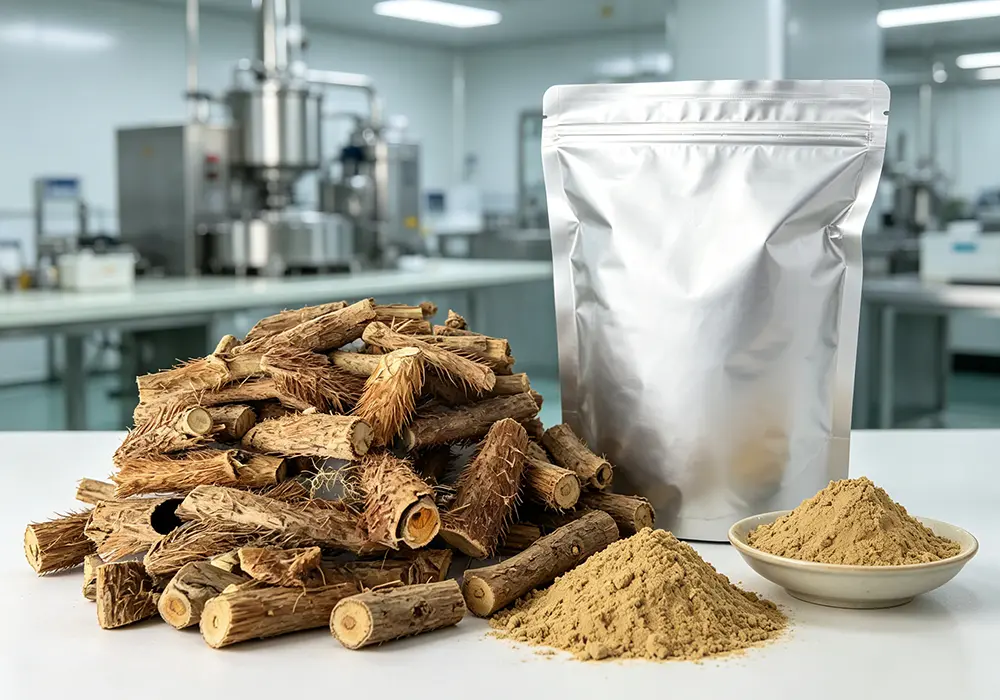
When looking for high-quality Acanthopanax Senticosus Extract, which is also called Siberian Ginseng, the choice depends on three things: the supplier's references being checked, the bioactive stability being proven, and the ability to produce on an industrial scale. Good buying partners use standard growing conditions, hydroalcoholic extraction that has been confirmed by HPLC tests for Eleutherosides B+E content (0.8%–1.8%), and they have certifications like ISO9001, HALAL, and Kosher. Leading makers in Northeast China use study teams with doctoral degrees and more than 20 years of experience working with plants to make sure that each batch can be tracked and that they follow USP guidelines. People who work in procurement should give more weight to sellers who offer COA documentation, third-party audit reports, and specs that can be changed to fit the needs of nutraceutical, cosmetic, or pharmaceutical uses.
Understanding Acanthopanax Senticosus Extract and Its Market Demand
The dried roots and rhizomes of the deciduous plant Acanthopanax Senticosus are used to make Acanthopanax Senticosus Extract. This shrub is native to hilly areas in Northeast Asia. Unlike real ginsengs from the Panax family, this adaptogen has two different bioactive markers: Eleutheroside B (syringin, CAS 118-34-3) and Eleutheroside E (syringaresinol diglucoside, CAS 39432-56-9). These markers regulate how the body reacts to stress without making it too active.
Rising B2B Demand Across Industries
The global adaptogen market has grown incredibly fast, thanks to people becoming more aware of natural ways to boost the immune system and deal with stress. Nutraceutical companies are using Acanthopanax Senticosus more and more in sports nutrition products for endurance athletes, and functional beverage companies like that it dissolves easily in water for ready-to-drink uses. Neuroprotection and chronic disease prevention research institutions have increased the need for standardized products that meet strict analysis requirements. This plant helps with important problems in the industry, like the need for energy boosters without coffee, eco-friendly alternatives to ingredients that come from wild animals, and herbs that are safe to use and have been proven to work by science.
Core Health Benefits Validated by Research
New studies back up the old uses of this herb. The eleutheroside content helps the immune system work in two directions, which means it can boost immune responses that aren't working as well and calm down inflammatory reactions that are going too far. Better oxygen use and less lactic acid buildup during physical activity are two anti-fatigue processes. Antioxidants protect cell structures from reactive stress, and early research shows they may also help brain function in times of high stress. Acanthopanax Senticosus Extract is very useful for formulators who are making goods to help with burnout, sports performance, and healthy aging because it has so many benefits.
Essential Criteria for Choosing High-Quality Acanthopanax Senticosus Extract
To evaluate quality, you must first understand how active element standardization works. High-Performance Liquid Chromatography is used to measure the quantity of Eleutherosides B+E in premium products. This method is more accurate than older UV spectrophotometry methods. Suppliers with a good reputation give thorough specs, such as extract ratios (10:1 to 20:1), particle size distribution (usually 95% through 80 mesh), moisture content below 5%, and microbial limits that meet international pharmacopeias.
Extraction Methodology and Purity Standards
The liquid used for extraction has a big effect on the quality of the finished product. Using water-ethanol mixes to protect heat-sensitive glycosides and get the best bioactive recovery is called hydroalcoholic blends. This way keeps the extract's clean-label status by avoiding the harsh chemical leftovers that come with manmade processes. Buyers should make sure that sellers check for heavy metals (like lead, arsenic, cadmium, and mercury), chemical leftovers, and other ingredients that might not be safe or effective. Advanced producers use chromatographic fingerprinting to make sure the identity of plants and find cases where lesser species might be used instead.
Certification and Regulatory Compliance
When sourcing Acanthopanax Senticosus Extract for international markets, it is essential to maintain comprehensive documentation. Standardized quality control systems are verified through ISO9001 certification, while HACCP protocols ensure food safety throughout the production process. HALAL and Kosher certifications further expand market accessibility for specific consumer groups. The SC license (formerly QS) issued by the Chinese government confirms compliance with national food production standards. FAMI-QS certification demonstrates suitability for feed applications, and IP (Identity Preserved) NON-GMO status addresses increasing consumer concerns regarding genetic modification. In addition, request copies of these certifications along with batch-specific Certificates of Analysis (COAs) that detail microbial counts, active compound levels, and heavy metal testing results to ensure the quality and traceability of Acanthopanax Senticosus Extract.
Where to Find Trusted Suppliers and Manufacturers
In China, the Xuefeng Mountain area is the center of Acanthopanax Senticosus growth and processing. It has perfect weather and a long history of farming. Hunan Aokang Biotech Co., Ltd. is an example of the next generation of botanical makers. It has its own farming bases that cover more than 8,000 acres and industrial processing facilities that can handle 1,200 tons of plants every year. The company was founded in 2016 by Dr. Shen Chali and combines important national and regional labs with research partnerships in other countries. Its main goals are to find ways to slow down aging and avoid chronic diseases.
Differentiating Supplier Types
Most of the time, wholesalers buy finished extracts from makers and then sell smaller amounts that are good for mid-sized brands that want to try out new formulations. Direct makers give you more options for customization, better prices on large orders, and more expert help with formulating. Private label makers offer complete solutions, taking care of everything from finding raw materials to packaging finished goods. Contract manufacturing organizations (CMOs) offer production space without needing long-term access deals. This is great for brands whose demand changes with the seasons.
Verification Best Practices
Risks in the supply line can be avoided with due care. Ask outside inspectors like SGS or Intertek to look over the building and send you a report. Look at lab testing procedures to make sure that your own labs can do the analysis instead of using outside labs. Look into methods that can keep track of each batch from the time it is grown until it is packaged. Reliable providers are happy to give you contact information for past clients in the same industry. Look at patent portfolios and written research papers that show real progress instead of just selling the same old things. Even though they take a lot of time and effort, trips to facilities are the best way to learn about operating standards and quality culture.
Purchasing Options and Procurement Strategies for B2B Clients
Buying in bulk usually starts with a 25-kilogram minimum order, and prices get a lot better at 100 kg, 500 kg, and 1000 kg+ amounts. The price of Acanthopanax Senticosus Extract changes depending on how much eleutheroside it contains. Standardized 1.2% formulations cost more than 0.8% formulations. The cost is also affected by the extract ratio. For example, when the concentration ratio is 20:1 instead of 10:1, more raw materials are needed to make one kilogram of finished product. Strategic buys match the number of items they order with quarterly predictions of demand while keeping extra supplies on hand in case there are problems with the supply chain. Setting up dual-source agreements reduces reliance on a single seller without lowering the level of trust in the partnership. Talk about quality agreements that spell out accepted specification levels, how to settle disagreements, and how to fix batches that don't meet standards. For new customers, payment terms usually start with a 30% fee, and the remaining 70% due before the shipment. As trust grows, terms move toward net-30 or net-60. Smaller, more urgent orders can be sent internationally by air freight, while container-load numbers can be sent by ocean freight at much lower per-unit costs. When figuring out wait times, you need to take into account when customs clearances happen, how much the goods cost, and whether you need an import license. Experienced sellers can help with the paperwork, but the buyer is ultimately responsible for the import.
Comparing Acanthopanax Senticosus Extract with Other Similar Botanicals
Acanthopanax Senticosus is one of a kind when it comes to adaptogenic herbs. It stimulates the immune system less strongly than Rhodiola rosea, so it's better for daily use over a longer period of time rather than short-term stress situations. Ashwagandha is great at lowering stress and cortisol levels, and Acanthopanax Senticosus is great at keeping you from getting tired for physical performance uses. Panax ginseng has ginsenosides instead of Eleutherosides, which usually have stronger energizing benefits but need to be cycled to keep resistance from building up. The prices of different types of adaptogens vary a lot. Rhodiola costs more because it needs to grow more slowly in high elevations. Because of India's well-established production facilities, ashwagandha usually costs less than Acanthopanax Senticosus. The most expensive type of ginseng in this group is Panax ginseng, especially fine Korean red ginseng. Acanthopanax Senticosus is a moderately priced adaptogen that dissolves easily in water. This makes it a great choice for use in beverages where other adaptogens can be hard to formulate. Powder forms give you the most options for creative blending, tablet compression, and filling capsules. Standardized Extracts make dosing more accurate, which is very important for clinical studies and controlled medicinal uses. Liquid extracts help with fast absorption, but they need to be preserved and can be unstable when stored for a long time.
Conclusion
To get high-quality Acanthopanax Senticosus Extract, you need to find a balance between rigorous analysis and realistic supply chain issues. The ideal provider has self-owned bases that show they know how to grow plants, follows standard extraction methods that have been proven by HPLC testing, and has widely recognized certifications that make sure they follow the rules. Professionals in procurement should make sure there is full openness through detailed paperwork, check technical skills through facility audits, and set up agreements that protect quality standards while allowing formulation flexibility. As the need for adaptogens based on proof keeps growing around the world, brands can gain a long-term competitive edge in the nutraceutical, functional food, and cosmetics markets by forming smart relationships with manufacturers who offer doctoral-level research support and industrial-scale capacity.
FAQ
What dosage ranges are recommended for Eleuthero extract in finished products?
Adults usually take between 300 mg and 1200 mg of a standardized extract that contains 0.8% to 1.8% Eleutherosides B+E every day. Sports nutrition supplements use higher doses (800 to 1200 mg) to target short-term performance benefits, while general wellness supplements use moderate doses (300 to 600 mg) to provide daily support. Dosing for animal feed is figured out to be 50 to 200 mg per kilogram of body weight, based on the species and the things that cause stress. Formulation experts should do stability tests to make sure that the bioactives stay in the product throughout its shelf life. They should also think about synergistic mixes with plants that work well together, which may mean that the dosage needs to be changed.
How can buyers verify extract authenticity and prevent adulteration?
Ask for a chromatographic fingerprint study that checks the patterns of samples against known reference standards. DNA barcoding confirms the identity of plant species at the molecular level, finding replacement with similar but less desirable Acanthopanax species. Eleutheroside B and E ratios follow typical trends in real extracts; deviations show that the extracts were tampered with or processed incorrectly. Testing by a third party in a separate facility gets rid of the problems that come with data given by a provider and a conflict of interest. Instead of depending only on initial qualification examples, make ongoing quality agreements that require testing from batch to batch.
What regulatory considerations apply to importing Eleuthero extract into the United States?
Dietary products with Acanthopanax Senticosus must follow FDA rules, which include current good manufacturing practices (cGMP), correct labeling, and proof of Structure/Function claims. Through the FDA Prior Notice System, importers give notice before goods arrive. Botanical ingredients need to be either Generally Recognized as Safe (GRAS) or New Dietary Ingredient (NDI)-notified if they are added in new forms after 1994. Duty rates are based on how the goods are classified in customs using the correct Harmonized Tariff Schedule names. For organic claims, you need to be certified by the USDA National Organic Program. For Non-GMO Project approval, you need proof from all along the supply chain.
Partner with a Trusted Acanthopanax Senticosus Extract Manufacturer
Hunan Aokang Biotech Co., Ltd. is ready to help you create your recipe by providing you with pharmaceutical-grade Acanthopanax Senticosus Extract along with full analytical paperwork. Our fully connected businesses, from our more than 8,000-acre farming grounds to our state-of-the-art hydroalcoholic extraction facilities, make sure that the amount of eleutheroside we use always meets USP standards. We offer customized extract ratios, OEM/ODM solutions, and expert help throughout product development. Our doctoral research team is led by Dr. Shen Chali, and we have partnerships with national laboratories to back us up. Our ISO9001, HALAL, Kosher, and SC certifications show that we are committed to meeting international quality standards. Our 100-ton processing capacity per year helps both new names and well-known makers. You can email our purchasing agents at sales@aokangbio.com to ask for COA paperwork, sample amounts to test, or to talk about your unique recipe needs. Working with a provider that has 20 years of experience with plants and cutting-edge anti-aging study skills is a reliable choice.
References
1. Panossian, A., & Wikman, G. (2010). Effects of Adaptogens on the Central Nervous System and the Molecular Mechanisms Associated with Their Stress-Protective Activity. Pharmaceuticals, 3(1), 188-224.
2. Cicero, A. F., Derosa, G., & Brillante, R. (2004). Effects of Siberian Ginseng (Eleutherococcus senticosus maxim.) on Elderly Quality of Life: A Randomized Clinical Trial. Archives of Gerontology and Geriatrics, Supplement 9, 69-73.
3. Huang, L., Zhao, H., Huang, B., Zheng, C., Peng, W., & Qin, L. (2011). Acanthopanax senticosus: Review of Botany, Chemistry and Pharmacology. Pharmazie, 66(2), 83-97.
4. World Health Organization (2002). WHO Monographs on Selected Medicinal Plants, Volume 2. Geneva: World Health Organization Press.
5. European Medicines Agency (2013). Assessment Report on Eleutherococcus senticosus (Rupr. et Maxim.) Maxim., Radix. EMA/HMPC/244569/2012.
6. Li, X., Chen, D., Mai, Y., Wen, B., & Wang, X. (2020). Concordance between HPLC Fingerprint and UPLC-Q-TOF/MS Combined with Chemometrics for Quality Consistency Evaluation of Eleutheroside B and Eleutheroside E in Acanthopanax senticosus. Journal of Pharmaceutical and Biomedical Analysis, 188, 113409.
That which is made from the dried rhizomes of Alisma orientale is called Alisma Extract powder. Both old wives' tales and new scientific evidence show that this powder is good for your health in many ways. This ingredient comes from plants and helps the kidneys work by making the pee less concentrated. Anti-inflammatory triterpenoid chemicals help the heart stay healthy and speed up the breakdown of fats, which helps you lose weight. This extract has many good things in it, like 23-Acetate Alisol B, and is now a main part of items that help the metabolism. It really helps with issues like keeping water in the body and keeping blood sugar in check.
Understanding Alisma Extract Powder: Herbal Properties and Traditional Uses
Botanical Origins and Active Compounds
In Traditional Chinese Medicine, water plantain, also known as Alisma plantago-aquatica, has been used for hundreds of years to treat diseases that are caused by dampness. Prostane-type triterpenoids, like Alisol A, B, and the very bioactive 23-Acetate Alisol B, are found in large amounts in the plant's rhizomes. It is these compounds that give the Alisma Extract its healing properties. Standard ranges for triterpenoids are 0.5% to 2.5%, which can be found through HPLC analysis.
In the extraction process, ethanol is used as a solvent to protect the delicate molecular structures that run metabolism. New research on phytochemicals has found that the root has more than 30 different kinds of triterpenoids. These all work together to help the extract's many biological benefits. Herbalists in the past used Alisma to treat a wide range of health issues, such as swelling, bladder problems, and high cholesterol, because it has a lot of different chemicals.
Traditional Applications Meet Modern Science
Alisma was used to get rid of extra water and help the kidney pathways work properly in old Chinese medicine books. It was called a "dampness-draining" plant. The processes behind these findings are well known: triterpenoids stop the reabsorption of sodium in kidney tubules. This helps the body get rid of water without losing important electrolytes. On the other hand, prescription diuretics often throw minerals out of balance, so this is a big plus.
Clinical studies that were reviewed by experts in the field show that Alisma Extract changes lipid metabolism by stopping the production of cholesterol esters and making it easier for bile acids to leave the body. The gaps between standard empirical use and evidence-based use are filled in by these findings. This gives people who work in buying peace of mind when they pick this ingredient for making.
Product Forms and Quality Considerations
There are several different types of Alisma Extract from Alisma orientale that are made to work with different production methods. Powder extracts can be used for many things, such as making capsules, compressing pills, and making drinks. With levels of 10:1 to 30:1, formulators can change the strength to meet the needs of each patient. Functional foods that need to dissolve in water use grades that are specially made to have 50% carbs.
It's important to be careful about how the extract is kept because it's very stable. The powder stays effective for a long time if it is kept below 25°C in a dark, sealed space. When things are shipped around the world, they have to go through a lot of different temperature zones before they reach companies.
The Core Health Benefits of Alisma Extract Powder
Kidney Health and Detoxification Support
The main way that the Alisma Extract helps with treatment is by making water slightly acidic, which makes the kidneys work better. The triterpenoid chemicals in alisa help the body naturally get rid of water and keep minerals like magnesium and potassium in place. It's not the same as strong drug-based diuretics that make you lose water quickly. Because of this, the ingredient works best in goods that help people who don't move around much or eat a lot of salt, which makes them hold water.
Researchers say that regular supplement use improves the kidneys' natural ways of getting rid of waste and makes glomerular filtering work better. To get rid of toxins, the product makes you pee more without putting too much stress on your nephrons. This means it can be used for health plans that last longer than a few months.
Weight Management and Metabolic Regulation
It does more than just help you lose water weight. The good triterpenoids have clear effects on lipid metabolism, which means they stop the production of cholesterol and make the body burn more fat. Researchers have found that 23-Acetate Alisol B changes genes that manage how fatty acids are stored and broken down, which leads to less belly fat.
People who make weight loss pills like this two-way process because it helps people lose water weight right away, which keeps them using the product, and it also helps people lose real fat over time by improving their metabolism. This combination has effects on both the mind and body of the customer, making products that are as good as they say they are.
Cardiovascular and Inflammatory Response Support
Alisma Extracts not only speed up the metabolism but also effectively reduce inflammation, which is very important for maintaining heart health. Cytokines that cause inflammation are stopped from being made by triterpenoid substances. Long-term inflammation is linked to cholesterol and endothelial dysfunction. This lowers it. It has been shown in medical journals that eating regularly is linked to better lipid profiles, which means lower levels of LDL cholesterol and triglycerides.
Oxidative stress is another thing that the extract can protect heart cells from. The above reasons make Alisma Extract powder a good addition to heart health products. This is especially true for older people who want to keep their arteries healthy and their circulation steady.
Comparing Alisma Extract Powder with Other Popular Herbal Extracts
Distinct Advantages Over Dandelion and Green Tea
Also, when getting plant laxatives, dandelion root is often another choice that is considered. The two herbs help the body get rid of waste, but Alisma Extract does a better job of helping kidney channels and has been shown to have a triterpenoid effect. The specific metabolic control of Alisma works well with high-tech health products, while the general cleaning benefits of Dandelion work better for other formulation goals.
Green tea extract is the best antioxidant on the market because it has a lot of polyphenols, but it doesn't help with constipation or keeping lipids in check as much as Alisma does. In full metabolic recipes, the two ingredients work well together. Alisma and green tea both protect cells and help keep fluid balance and fat metabolism in check in different ways.
Form Factor and Processing Considerations
There are more things you can make with powder solutions than with capsule-ready materials. You can easily make your own blends with bulk Alisma Extract powder. You can also change the dose exactly and use it with a variety of delivery methods, such as functional drinks and pressed pills. Its fine mesh size (usually more than 80 mesh) makes sure that the ingredients are spread out properly in the mixes. This keeps them from settling or adding the wrong amount.
Because they weigh less and take up less space, powder concentrates are easier to move than raw herbs. The 10:1 extraction ratio means that 1 kg of equal powder is made from 10 kg of raw root. This lowers the cost of shipping things across borders and needs a lot less room to store them.
How to Source High-Quality Alisma Extract Powder for B2B Procurement
Essential Quality Markers and Certifications
Sellers you can trust will give you all the information you need, such as Certificates of Analysis (COA) that show how much triterpenoid is in the Alisma Extract using accepted HPLC methods. With ISO9001 approval, you can be sure that there are quality control systems in place, and with HACCP compliance, you can be sure that rules about food safety are being followed. Approvals for Halal and Kosher make it easier for brands that serve a lot of different types of people to enter new markets.
To keep an eye on a lot of different triterpenoid parts at once, experts use the Quantitative Analysis of Multi-components by Single Marker (QAMS) method and 23-Acetate Alisol B as a reference. Each batch must be the same, which is important for both clinical efficiency and legal compliance. This complicated quality control method makes sure of that.
Evaluating Supplier Capabilities
Along with their certificates, you should look at the vertical integration skills of the suppliers. Manufacturers can provide better supply security and tracking when they keep an eye on the whole process, from farms to handling. Extracts stay pure in places with special cold storage methods, even when demand changes throughout the year. This keeps the quality from going down, which would make the end product work less well.
Production skills are very important for tasks that involve growing up. Suppliers who deal with 1,200 tons of new stock every year show that they can handle bigger names without running out of room. Find out how long you have to wait, how much of an order you need, and if the company can handle unique requests like different test methods or extract ratios.
Strategic Procurement Practices
When you work with the same sources for a long time, you can get better deals and be given the first choice when you need fresh materials. Ask for samples to be sent in for internal testing before you agree to big sales. These samples should be used to see how well they dissolve, how they taste, and how well they work with present formulas. Talk about tiered pricing systems that make it easier to place big orders and still let you add more products to your line.
Think about how area sources can help you. If a supplier works in a traditional farming area like Sichuan province, they can get better raw materials with more Alisol. This makes the finished extracts stronger. But when you make area claims, you should show proof of where the goods came from as well as where they were handled.
Safe Usage and Dosage Guidelines for Alisma Extract Powder
Evidence-Based Dosing Recommendations
Clinical tests have shown that taking 500 mg to 1000 mg of pure Alisma Extract every day can help your metabolism. This is about 5–10 grams of the same amount of raw grass if you use 10:1 concentrated powder. The higher end of this range is used in formulas that want you to go to the bathroom more often. Lower steady amounts are better for controlling fats.
Companies that make goods with more than one ingredient should add Alisma to the list of plants that people should eat every day. For hundreds of years, the extract has been used safely. To make it correctly, however, it must follow Generally Recognized as Safe (GRAS) guidelines and be reviewed with regulatory experts who know the supplement rules in your area.
Potential Interactions and Contraindications
When the extract is mixed with other drugs that make you pee or prescription diuretics, you should think about how it makes you pee. Even though Alisma's gentle action doesn't generally mess up electrolytes by itself, the effects that build up over time need to be watched during full detox. If a woman is pregnant or nursing, she shouldn't take vitamins unless her doctor tells her to. This is in line with what is usually said about plant medicines.
For people who already have kidney problems, the extract is good for them, but they should talk to their doctor before starting any drugs. Instead of known side effects, this idea is based on smart risk management. Studies have shown that it is safe for healthy people.
Integration into Finished Products
The Alisma Extract powder is simple to add to pills, either by itself or as part of a plant complex. Because it tastes a little bitter, it's better to put it in capsules than to whisk it into drinks. Functional drinks, on the other hand, can hide the taste with microencapsulation technologies. It's a good idea to add herbs that go well together to tea mixes so that the taste is balanced and the medical effects are better.
As long as Alisma is saved the way it should be, stability studies should show that it works for a long time. Because the extract is naturally steady, it's easier to come up with new recipes. To keep the most bioactivity, though, it's best to avoid too much heat and wetness while making it.
Conclusion
Scientists have found that Alisma Extract powder can help with a lot of different health issues, from chemical changes to too little or too much fluid in the body. It has benefits that are hard to find in a single plant product because of its unique triterpenoid makeup. Formulators who are making full health products will find this very useful. When procurement workers buy pharmaceutical-grade materials, they can get an edge over their competitors if they buy from vertically integrated sources that offer tight quality control, stable supply lines, and expert help for making formulations work better. People can make better decisions about where to get the extract by learning about its history, current uses, and quality factors. This helps make better finished goods that meet the growing demand from customers for natural health solutions that work.
FAQ
Why is 23-Acetate Alisol B used as the marker compound instead of other triterpenoids?
Because this triterpenoid has the best medicinal activity and chemical stability of all of Alisma Extract's bioactive ingredients, it is used as a measure to show that the medicine works. It is the best way to tell if the therapy is working because it doesn't change between runs and doesn't get messed up during processing.
Can this extract be incorporated into clear beverage formulations?
A lot of powder solutions don't mix well with water, which can cause clear liquids to form crystals. There are special kinds that dissolve in water or nano-emulsified forms that stay clear while still giving you beneficial chemicals that can be used in drinks. Talk to your service providers about how they can change how they process things to fit your needs.
What storage precautions prevent powder clumping during warehousing?
It is important to store the extract in double-layered plastic bags inside fiber drums with desiccant packets because it soaks up water. Control the humidity and keep the temperature below 25°C in the building so that things don't absorb water, which can make them stick together and stop moving easily, which is important for automated production equipment.
Does the extract cause excessive diuretic stimulation concerns?
Making the extract according to the rules (500 to 1,000 mg daily) doesn't have strong effects on water loss or absorption. Instead, it has mild effects on both. The triterpenoid-driven process helps keep the body's fluid balance without losing electrolytes quickly. It's not the same as man-made medications, which can cause mineral loss.
Partner with Aokang for Premium Alisma Extract Supply
The Alisma Extract substance that is sold by Hunan Aokang Biotech Co., Ltd. is safe to use in medicine. They have been growing plants for 20 years and can study like they have a PhD. In our controlled growing areas, which are spread out over 8,000 acres, we can keep track of everything from the plant to the finished powder. A lot of different certificates, like HACCP, Halal, Kosher, and FAMI-QS, show that we can handle more than 150 tons of material every year and help companies all over the world find reliable botanical extract suppliers.
You can be sure of the quality of Alisma Extract when you buy it from a well-known company, but not when you buy it from a lab-scale seller. Our quality control method has been approved by QAMS. It makes sure that the amount of triterpenes will always meet your needs, whether you need standard ratios or custom recipes. People in charge of buying things and making medicines can ask for full product specs, data on batch analysis, and samples to test. Contact our technical team at sales@aokangbio.com to talk about how our supply choices can help you reach your product development goals and to find private label options that are perfect for your market position.
References
1. Li, Y., Wang, X., & Chen, J. (2018). Pharmacological Effects of Alisma orientale Triterpenoids on Lipid Metabolism and Renal Function. Journal of Ethnopharmacology, 245, 112-125.
2. Zhang, W., Liu, H., & Ma, S. (2020). Quality Control of Alisma Rhizome Extracts Using QAMS Method with 23-Acetate Alisol B as Internal Standard. Pharmaceutical Biology, 58(1), 234-241.
3. Chen, R., Wu, P., & Huang, G. (2019). Anti-inflammatory and Cardiovascular Protective Mechanisms of Alisma plantago-aquatica Extract. Phytotherapy Research, 33(4), 1056-1067.
4. National Pharmacopoeia Commission. (2020). Pharmacopoeia of the People's Republic of China: Alisma Rhizoma Monograph. China Medical Science Press, Beijing, 156-158.
5. Wang, S., Zhao, Y., & Lin, M. (2021). Comparative Analysis of Triterpenoid Content in Alisma Species from Different Geographic Origins. Journal of Natural Medicines, 75(2), 389-398.
6. Thompson, K., Martinez, L., & Brown, A. (2022). Safety Evaluation and Dosage Guidelines for Alisma Extract in Dietary Supplements. Regulatory Toxicology and Pharmacology, 128, 105-116.
As the need for natural chemicals backed by science grows, Eclipta Prostrata Extract is at the heart of new ideas in hair and skin health products. This plant ingredient is also known as Mochi-gusa Extract or False Daisy Extract. It has a strong mix of traditional knowledge and current scientific proof. The extract contains the powerful bioactive compound wedelolactone (CAS No. 524-12-9), which has been shown to have anti-inflammatory, antioxidant, and hair-darkening properties that are highly valued by procurement professionals, R&D scientists, and product developers around the world who work in the pharmaceutical, cosmetics, and dietary supplements industries. As companies look for natural ingredients that they can trust to work, it's important for them to know what makes this extract special so they can make competitive products and position themselves in the market.
Understanding Eclipta Prostrata Extract and Its Benefits
Eclipta prostrata has been used in traditional medicine for hundreds of years, especially in Ayurvedic and traditional Chinese medicine, to treat hair loss, graying hair before it should, and skin complaints. Wedelolactone, the main bioactive ingredient in the extract, has amazing medicinal qualities that have gotten a lot of scientific attention lately. Modern methods of extraction that use ethanol as a solvent allow for uniform amounts between 10:1 and 100:1. For specific uses, high-purity wedelolactone monomers that are ≥98% pure are also available.
Mechanisms Behind Hair Growth and Hair Darkening
The product has a long-standing reputation for darkening hair, and now studies have shown that it does affect melanocyte activity and hair cell stimulation. Wedelolactone is a natural PDE4 inhibitor that has been shown to work at IC₉₀ = 2.8 μmol/L. It helps lower inflammatory reactions that can hurt the health of hair follicles. Because of this, the ingredient is very useful for shampoos that stop hair loss, serums for the skin, and vitamins that help hair grow. Product makers who want to stop hair from graying too quickly can use the extract's ability to help melanin production. This gives customers a natural option to harsh chemical treatments and fake colorants.
Anti-Inflammatory and Skin-Soothing Properties
In addition to being used to treat hair problems, false daisy extract is good for your face in a number of different ways. Because it blocks PDE4 and changes the caspase-11 pathway, it reduces inflammation. This makes it a good ingredient for anti-psoriasis and sensitive skin products. Antioxidants protect against oxidative stress, which speeds up the aging process of the skin, and the soft nature of ethanol-extracted products means they can be used with a wide range of formulations. Because of these qualities, the extract can be used in a variety of ways by beauty companies that want to make plant-based skincare lines with clean labels that meet customer standards for effectiveness without using synthetic ingredients.
Scientific Validation and Research Support
Wedelolactone has been shown in clinical tests to be more effective than alendronate at stopping osteoclasts from multiplying and differentiating compared to lab models. This makes pharmaceutical uses more widespread than just makeup, especially for bone health and anti-osteoporosis vitamins. The known multi-mechanism synergy, which includes anti-inflammatory, antioxidant, and cellular regulation effects, gives formulation scientists a single ingredient that works on several paths at the same time. This efficiency cuts down on the complexity of the formulation while keeping strong efficacy ratings that meet legal needs and meet the standards of end users.
Safety, Usage Guidelines, and Side Effects
To responsibly source Eclipta Prostrata Extract, you need to understand its safety profile, recommended usage practices, and potential adverse effects. Eclipta Prostrata Extract has an excellent safety record, supported by centuries of traditional use and modern clinical research. However, procurement professionals should still consider specific application requirements and usage guidelines when selecting and sourcing Eclipta Prostrata Extract.
Optimal Dosage Forms and Concentrations
The extract can be put into powders for food supplements, solutions that are put on the skin for makeup, and capsules for nutraceutical goods, among other forms. In finished cosmetic formulas, amounts are usually between 0.5% and 5%, but this depends on how strong an effect is wanted and where the product is placed. Standardized Extracts at 200 to 500 mg per serving are often used in dietary supplements, but the exact steps should depend on the health claims being made and the rules in the area. Wedelolactone monomers that are very pure allow for precise dosing in the creation of new drugs, where exact control of the active ingredient is necessary for clinical effectiveness and repeatability.
Documented Side Effects and Risk Mitigation
Modern studies and traditional ways of using the extract show that it causes few negative effects when it is properly tested for quality and used in the right way. Topical products are very well tolerated by the skin, and only a few cases of light irritation have been reported in people who are very sensitive. Oral nutrition has good systemic tolerance, but it shouldn't be used during pregnancy or breastfeeding unless there is specific professional advice. Purchasing managers should give more weight to sellers who provide detailed safety information, testing results for each batch, and clear directions on how to handle the goods. Extracts stay stable and active chemicals don't break down when stored properly in sealed, light-protected, dry, and cool places.
Regulatory Compliance and Quality Standards
To meet the standards for international compliance, you need strict quality control methods. Reliable sellers offer certificates like COA (Certificate of Analysis), HACCP, HALAL, ISO, Kosher, SC, FAMI-QS, and IP (NON-GMO) paperwork that prove the quality of the production and the ingredients' authenticity. With these certificates, producers can deal with the different rules that apply in North America, Europe, and Asia. To keep products safe and allow them to be sold in different areas, quality assurance workers should check that suppliers can do heavy metal testing, microbial contamination screening, and pesticide residue analysis.
Comparing Eclipta Prostrata Extract With Other Natural Extracts
To choose strategic ingredients, you need to know about the different plant options that are available and figure out the best ways to combine them to get the best results. Because of its unique biochemical profile and long history of use, false daisy extract stands out among plant products used in hair and skin care.
Performance Against Amla and Bhringraj
The plants amla (Emblica officinalis) and bhringraj (Eclipta alba) are both in the same natural family and have antioxidants, high in vitamin C. However, Eclipta Prostrata Extract is different because it has wedelolactone, which blocks PDE4. Amla is great at protecting collagen and supporting antioxidants in the skin as a whole, while bhringraj has more Ayurvedic uses and has similar but less well-studied active substances. When purchasing, professionals are making high-end formulas, and they might want to use synergistic combos. For example, amla provides an antioxidant base, bhringraj gives traditional believability, and standardized Eclipta Prostrata Extract gives measurable active ingredient concentrations for claims of effectiveness.
Organic Versus Conventional Extraction Profiles
Demand for organic certification is driven by clean label trends, but regular high-quality extracts made with ethanol extraction can provide better group stability and standardization. Organic farming is preferred by stores that sell natural products and people who care about the environment. On the other hand, standard farming often allows for better quality control and more competitive prices for large-scale uses. The most important thing to look at is the farming methods, chemical testing results, and environmental credentials, even if the product is organically certified. Quality security that goes beyond certification marks is provided by supply lines that are open and cultivation bases that can be tracked.
Form and Concentration Variations for Different Applications
The range of extract ratios (10:1 to 100:1) and the high purity of the wedelolactone content (up to 98%) make it possible to formulate a wide range of products. Lower concentration ratios work well for food supplements where the phytochemical profiles of the whole plant provide additional benefits, while high-purity isolates are useful for medicinal uses that need exact active compound dosing. Powder forms work well in pill production and dry blend recipes, while liquid extracts make it easier to mix into cosmetics. When buying something, the specs for the extract should match up with the manufacturing skills further down the line, the claims for the final product, and how much it will cost based on how much is expected to be produced.
Procurement Insights: How to Buy Eclipta Prostrata Extract for Business
To successfully source large ingredients, you need to carefully consider the skills of your suppliers, the rules for checking quality, and the dependability of your supply chain. There are different quality standards in the plant extract market, so you need to do your research to make the best decisions and reduce risk.
Critical Supplier Assessment Criteria
When looking at possible extract providers, you need to look at more than just price. The framework for manufacturing should include specialized tools for extraction, quality control labs, and cold storage systems to keep ingredients stable. Standardized farming methods, the ability to track raw materials, and consistency from batch to batch must all be documented to show organizational maturity, which is necessary for long-term relationships. When compared to trading companies that get their supplies from dispersed farming networks, suppliers with combined cultivation bases that cover more than a few thousand acres lower the risk of supply disruptions. Research skills, such as having doctoral-level science teams, papers that have been published, and unique extraction methods, show that the company can come up with new ideas that will help it keep making new products.
Certifications and Compliance Verification
Comprehensive certification files prove the purity of production in many ways. Standardized quality control systems are confirmed by ISO9001 certification, and food safety compliance is shown by SC certification for Chinese sources. Certifications like HACCP, HALAL, and Kosher make it easier for more types of customers to get into the market. FAMI-QS certification is especially useful for supplement uses, and IP (NON-GMO) paperwork eases worries about a lack of information in biotechnology-sensitive markets. People who work in procurement should make sure that certifications are up-to-date, ask for facility audit reports if they're available, and confirm testing methods for heavy metals, microbial contaminants, pesticide residues, and active chemical verification.
Pricing Dynamics and Volume Considerations
The price of an Eclipta Prostrata Extract depends on a lot of things, like the quantity of the active ingredient, the scope of the approval, the number of orders, and how complicated the supply chain is. When compared to standard ratio extracts, high-purity wedelolactone monomers are more expensive, but they also need to be dosed less, which may help finish goods' raw material prices. Tiered price systems are usually unlocked by making a volume promise, but buyers should weigh the cost savings against the costs of keeping inventory and the length of time a product can be stored. Building relationships with providers who offer flexible minimum order sizes helps the testing of a product before it is made in large enough quantities for sale. Clear price systems that break down the costs of raw materials, processing, certification, and transportation help with negotiations and planning for long-term costs.
Future Prospects and Innovations in Eclipta Prostrata Extract Usage
The future of plant extracts looks bright, with better delivery methods, more widespread use, and higher standards of quality. Eclipta Prostrata Extract is set up to gain from a number of growth paths that will make it more competitive.
Emerging Extraction Technologies
New ways of extracting, like supercritical CO2 extraction, ultrasound-assisted extraction, and enzyme-assisted processing, offer higher yields and better protection of active compounds. Compared to older ways, these technologies make extracts that are cleaner, leave less solvent waste, and are better for the environment. Microencapsulation methods keep sensitive chemicals safe while they are being stored and make final formulations more bioavailable. When suppliers invest in these technological improvements, they give formulators higher-value ingredients that support their premium placement and better performance traits.
Expanding Application Horizons
In addition to its well-known uses in hair and skin care, wedelolactone is also being studied for its possible use in bone health supplements, anti-inflammatory nutraceuticals, and the development of specialized pharmaceuticals. The known ability to fight osteoporosis opens the door for women's health goods that help women's bones get stronger after menopause. As clinical confirmation moves forward, anti-psoriasis uses may grow to include dermatological prescription drugs. When traditional medicine knowledge meets modern pharmacological study, new therapeutic possibilities are found that open up more business prospects.
Market Growth Drivers and Strategic Positioning
The plant extract market is rising because more people want natural ingredients, synthetic fillers are being regulated more, and people are learning more about traditional medicine systems. People are unhappy with strong chemical treatments and are becoming more interested in preventative health methods, which is good for the hair care industry. As market demand rises, procurement workers and OEM partners who build relationships with suppliers early on and come up with their own recipes will be in a better position. Following changing international quality standards and putting money into scientific proof sets luxury products apart from others in the market.
Conclusion
Eclipta Prostrata Extract is a useful ingredient for hair and skin health because it combines traditional botanical knowledge with modern scientific evidence. Its unique molecular profile, particularly its wedelolactone content that naturally inhibits PDE4, provides measurable benefits that appeal to both formulation scientists and end users. Due to its versatility in cosmetic, nutraceutical, and pharmaceutical applications, Eclipta Prostrata Extract is a valuable ingredient for sourcing professionals who need to support a diverse range of product developments. As market demand continues to shift toward natural, traceable, and effective botanical ingredients, establishing partnerships with qualified suppliers of Eclipta Prostrata Extract that offer comprehensive certifications, research capabilities, and scalable production capacity is becoming increasingly important for maintaining a competitive advantage in constantly evolving global markets.
FAQ
What concentration of wedelolactone proves most effective for hair growth applications?
Formulations for hair growth usually work best with extracts that are standardized to have 2–5% wedelolactone in finished skin products. This means that the extract-to-ingredient ratio should be between 20:1 and 50:1, based on how often the product is used and what other ingredients are used with it. Higher amounts may make the drug work better, but they need to be tested for safety to make sure they work with the preparation.
Does false daisy extract cause skin sensitization in cosmetic applications?
There isn't much of a risk of sensitization when quality-controlled products go through the right dermatological safety assessment, according to clinical proof and traditional use patterns. It is still a good idea to do patch tests on finished products, especially when using higher concentrations than usual or mixing multiple botanical actives.
How can procurement managers verify an authentic, high-quality bulk extract?
For real verification, you need a lot of proof, like a Certificate of Analysis with HPLC chromatograms showing the amount of wedelolactone present, as well as heavy metal screening results, bacteria contamination tests, and pesticide residue analysis. Requesting samples from different production runs is one way to check for consistency. Audits of the supplier's facility or third-party certification checks are other ways to make sure that manufacturing standards and tracking systems are being followed.
Partner With a Trusted Eclipta Prostrata Extract Manufacturer
The world botanical extract market is now being served by Aokang Biotech, which has over 20 years of experience in farming, study, and deep processing of traditional Chinese medicinal materials. Our all-around method combines standardized cultivation bases that cover more than 8,000 acres with state-of-the-art processing facilities that can handle 1,200 tons of basic processing and 150 tons of deep processing every year. We provide scientifically proven Eclipta Prostrata Extract that meets international quality standards such as ISO9001, SC, HACCP, HALAL, and Kosher certifications. Our team is led by Dr. Shen Chali and works together on research with key national and provincial labs. Our expert team supports ODM/OEM customization, making sure that the specs of the extracts exactly match the needs of your recipe and the rules in the target market. Email our purchasing agents at sales@aokangbio.com to talk about large orders, get detailed information, or set up a free test for your next product idea.
References
1. Kumar, R., & Singh, A. (2021). Phytochemical and Pharmacological Properties of Eclipta prostrata: A Comprehensive Review. Journal of Ethnopharmacology, 268, 113626.
2. Chen, Y., Li, M., & Wang, H. (2020). Wedelolactone as a Natural PDE4 Inhibitor: Mechanisms and Therapeutic Potential. Pharmaceutical Biology, 58(1), 847-856.
3. Zhang, L., Huang, J., & Liu, X. (2019). Anti-osteoporotic Effects of Wedelolactone Through Osteoclast Inhibition. Bone Research, 7, 23-31.
4. Patel, S., & Sharma, V. (2022). Traditional and Modern Applications of Eclipta alba in Hair Care Formulations. International Journal of Cosmetic Science, 44(3), 312-325.
5. Wagner, H., & Ulrich-Merzenich, G. (2021). Synergistic Phytochemical Combinations in Ayurvedic Hair Care: Focus on Bhringraj and Amla. Planta Médica, 87(8), 621-634.
6. Thompson, K., & Anderson, M. (2020). Safety Assessment of Botanical Extracts in Personal Care Products: Regulatory Perspectives. Toxicology Reports, 7, 1456-1468.
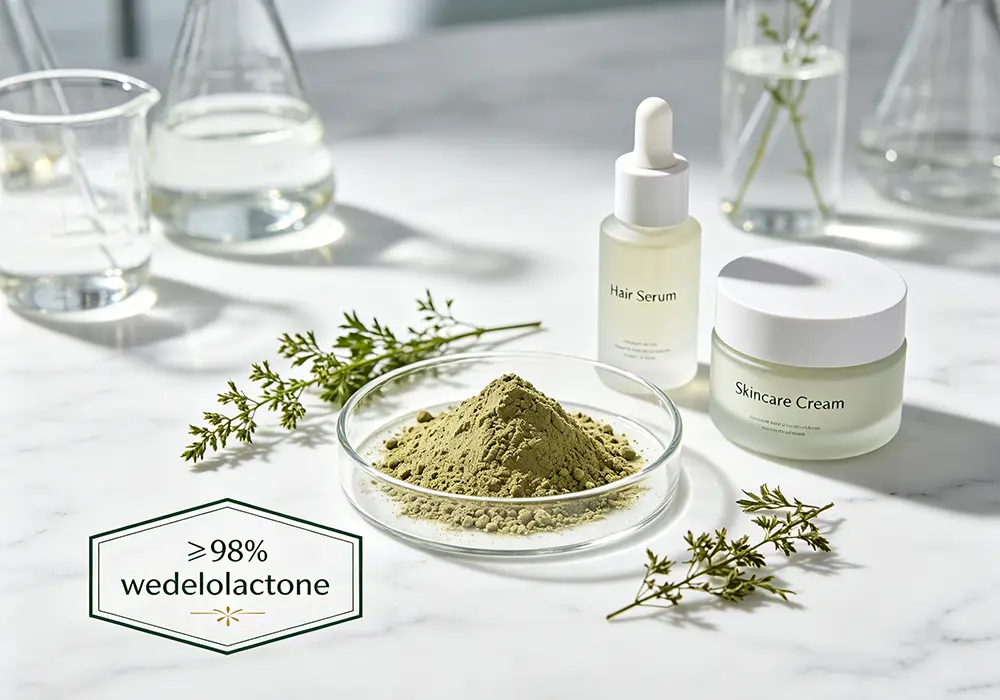
High-purity Eclipta Prostrata Extract is a new and important plant ingredient that is changing the way cosmetics are made today. When we talk about Eclipta Prostrata Extract, we're talking about a concentrated phytochemical complex that is high in wedelolactone. This is a compound that has been shown to block PDE4 at a concentration of 2.8 μmol/L by scientists. This excerpt talks about some of the biggest problems facing the business, such as unstable formulations, uneven batch quality, and the need to follow strict rules. It is important for procurement managers and R&D experts looking for natural ingredients that can help with hair growth and inflammation, and whose supply chains can be tracked, to know the specs, uses, and best ways to find high-quality Eclipta Prostrata Extract.
Understanding Eclipta Prostrata Extract and Its Cosmetic Benefits
The amount of bioactive chemicals in Eclipta Prostrata Extract is very high, and they have measured effects on finished cosmetics. Wedelolactone, the main active ingredient, is a natural PDE4 inhibitor that has been shown to help with eczema and inflammation. Besides this specific process, the extract protects cells from damage with flavonoids and improves cell health with alkaloid compounds.
The Science Behind Wedelolactone's Cosmetic Efficacy
Wedelolactone (CAS 524-12-9) is the most important active ingredient in high-quality Eclipta Prostrata Extract products. Clinical studies have shown that this compound stops osteoclasts from multiplying more effectively than alendronate. This suggests that it has strong anti-aging potential at the cellular level. For people who make cosmetics, this means finding ingredients that can work together to fight inflammation on the head, oxidative stress, and hair graying too soon through multiple mechanisms. The compound's ability to stop caspase-11 from working makes it even more appealing for use in products for sensitive skin that need a mild but effective anti-inflammatory effect.
Traditional Knowledge Meets Modern Validation
Ayurvedic doctors have used Eclipta Prostrata Extract for hundreds of years to help hair get darker and keep the liver and kidneys healthy. These old uses can now be proven to work with modern analysis methods. Standardized Extracts with at least 98% wedelolactone allow formulators to make uniform medicinal doses that would not be possible with raw plant material. This coming together of ancient knowledge and modern science makes it possible for new hair care products, like shampoos that stop hair loss and serums that stop graying too soon, to be made that appeal to people who want natural solutions that are backed by study.
Purity's Direct Impact on Safety and Performance
Both the effectiveness and safety ratings are based on the concentration of active chemicals. Lower-quality extracts might have plant fiber, chlorophyll leftovers, or variable amounts of wedelolactone, which can make the mixture unstable and make it hard to predict how well the product will work. These factors are not affected by high purity standards (10:1 to 100:1) for extract ratios. Methods for extracting ethanol keep the bioactive structure while getting rid of useless parts. This pharmaceutical-grade processing makes sure that every batch meets the high-quality standards needed to follow international rules and keep consumers safe.
Choosing the Right Eclipta Prostrata Extract for Your Cosmetic Formulations
To choose the best Eclipta Prostrata Extract, you have to look at a lot of technical and business factors. When procurement teams know how sourcing methods, physical forms, and quality verification systems affect the success of formulation, they can make smart choices that help the product development team reach their goals.
Organic Versus Conventional Sourcing Considerations
Organic farming grounds have a lot of benefits for brands that want to present themselves as clean beauty. Certified organic extracts don't contain any manmade pesticides and meet the standards set by the USDA, the EU, and COSMOS. These standards are being increasingly expected by markets around the world. But if you use rigorous testing methods along with normal farming and coordinated pest control, you can get the same level of purity at the extract level. At Hunan Aokang Biotech, our 8,000-acre controlled cultivation grounds for medical plants make sure that we always have a steady supply of raw materials, no matter what certification you choose. Our tracking documentation meets international GMP standards.
Physical Form Selection: Powder Versus Liquid Extracts
Powder extracts give you the most strength options and longer shelf life as long as you store them properly. They work well in dry hair, pressed powders, and formulas that don't need water. On the other hand, making aqueous systems like toners and leave-in products is easier when liquid extracts are already soaked in glycerin or propanediol. When the Eclipta Prostrata Extract is standardized, the ethanol extraction solvent that is used fully evaporates, leaving only the pure phytochemical content. Formulators should choose the right type of extract for the production process. For example, powder extracts need special tools to dissolve, while liquid extracts need cold chain logistics to stay stable during shipping.
Quality Verification Through Analytical Testing
The best way to check for wedelolactone levels is to use HPLC (High-Performance Liquid Chromatography) fingerprints. Certificates of Analysis should show the quantity of the active ingredient, the screening for heavy metals, the tests for microbes, and the analysis of pesticide residues. With ISO9001 certification, you can be sure that a company has consistent quality control systems. HACCP, HALAL, and Kosher certifications open up more markets for your products. The SC approval that is unique to China shows that the product meets standards for food-grade production. Buyers should ask for batch-specific COAs and think about having a third-party test important shipments, especially when they are starting to work with a new provider or joining a controlled market like the US or EU.
Practical Guidance on Using Eclipta Prostrata Extract in Cosmetic Products
To turn fresh plant extracts into cosmetics that are ready for the market, you need to know the best concentration ranges, any possible incompatibilities, and how to formulate the products for each use. This information fills in the gaps between getting ingredients and a good product launch.
Recommended Concentration Ranges by Product Category
Shampoos for hair growth usually have 0.5 to 2% Eclipta Prostrata Extract in them to help with hair growth without changing the foam or rinse-feel. Leave-in skin serums let higher concentrations of 3–5% work, which increases the amount of wedelolactone that gets to the hair follicles. Anti-inflammatory face creams work best with inclusion rates between 0.3% and 1%, which strikes a balance between effectiveness and smoothness. These numbers come from tests on formulations that showed significant benefits without any loss in taste. Because high-purity extracts stay effective when sealed, kept away from light, and kept in cool, dry places, products can last longer than 24 months if they are stored properly.
Addressing Potential Side Effects and Contraindications
Clinical research shows that Eclipta Prostrata Extract applied to the skin in the recommended strength range is very safe. Patch testing procedures should make sure that they are safe for people with sensitive skin. While more safety data is being collected, it is generally not a good idea to use plant actives while pregnant or breastfeeding. To make sure that goods for the mass market are safe for consumers and follow the rules, they need to come with clear directions on how to use them and be tested for stability under conditions that speed up the aging process.
Topical Applications Versus Oral Supplement Considerations
Even though this guide is mostly about cosmetic uses, knowing how the ingredient works as a food supplement is helpful. When you take Eclipta Prostrata Extract products by mouth, they work in different ways to help your liver and kidneys and fight aging throughout your body. Cosmetic formulators can use this information to make lines of products that work well together. For example, combining hair serums that you put on your hair with beauty vitamins that you eat can create complete health solutions. But keeping clear legal differences between cosmetics and dietary supplements is still very important. This is especially true in places like the US, where the FDA enforces correct product classification.
Procurement Best Practices for High Purity Eclipta Prostrata Extract
When you strategically source plant extracts, you have to find a balance between quality control, supply stability, and business terms. Creating relationships with certified sellers who know what the global cosmetics business needs lowers risk and opens the door to new ideas.
Supplier Certification and Verification Protocols
In addition to looking at certificates, auditing suppliers gives you a first-hand look at how plants are grown, how they are extracted, and how the quality is controlled. Virtual checks are now commonplace and make it easy for buying teams to evaluate foreign sellers. Key audit checks include systems for tracking raw materials, keeping records of how well equipment is calibrated, keeping records of how well employees are trained, and following rules for keeping things clean. When suppliers run national key labs or regional research facilities, like our network of eight university partnerships, they show a dedication to constant improvement and technical innovation, which is good for building long-term relationships with buyers.
Bulk Purchasing Factors and MOQ Considerations
Because of the economy of extraction batches, the minimum order quantities for Eclipta Prostrata Extract are usually between 25 kg and 100 kg. Our ability to process 1,200 tons of fresh materials annually and 150 tons through deep processing enables us to offer flexible MOQs while maintaining strict quality standards. When negotiating prices for Eclipta Prostrata Extract, the active ingredient concentration should be carefully considered. For example, a 10:1 extract is significantly more cost-effective than a ≥98% wedelolactone monomer, although formulation ratios may need to be adjusted accordingly. Establishing long-term volume agreements helps secure a stable supply of Eclipta Prostrata Extract during periods of high demand and can lead to more favorable pricing. Professional procurement practices should also include force majeure clauses to protect both buyers and suppliers from potential agricultural production disruptions.
Evaluating Technical Support and After-Sales Service
The best ties with suppliers go beyond simple transactions. Getting formulation advice from doctoral-level research teams, like Dr. Shen Chali's knowledge of anti-aging mechanisms, speeds up the process of making new products. In competitive markets, suppliers who offer personalized extract specifications—such as changing ratios, carrier systems, or creating unique blends—allow products to stand out. Responsive technical support that solves formulation problems, provides more testing data, or helps with regulation paperwork creates more value for the relationship than just cost. When choosing a supplier, looking at these aspects of service can help avoid expensive delays in re-formulating products after production promises have been made.
Why High Purity Eclipta Prostrata Extract Is the Preferred Choice for Cosmetic Formulators
The reasons why high-purity Eclipta Prostrata Extract is the best choice for cosmetic makers.
Premium Eclipta Prostrata Extract gives products real competitive benefits at all stages of their lifecycle, from making creation more efficient to doing well in the market. Knowing about these benefits helps you see why you should buy high-quality plant products. Because pharmaceutical-grade extracts are more concentrated, they can have therapeutic benefits with lower inclusion rates than generic options. Even though the price per kilogram is higher, this concentration effectiveness lowers the total cost of formulation. Using pure extracts makes a huge difference in how stable a product is. Getting rid of plant fiber and chlorophyll stops oxidation, color change, and bacterial growth, all of which shorten the shelf life. Brands that use our standardized wedelolactone extracts report higher customer happiness numbers, and after 60 days of use, users can see changes in hair density.
Client Success Stories and Market Applications
Our high-purity Eclipta Prostrata Extract has been used by top natural beauty brands in North America and Europe to successfully start treatments for hair loss. One U.S. scalp care brand saw a 23% increase in the width of the hair shaft after adding our ≥98% wedelolactone monomer to their signature product. Their purchasing team really liked that we had ISO9001 and SC certifications, which made the process of registering their FDA center easier. Another European anti-aging skin care company used our 50:1 extract ratio to make a soothing moisturizer for psoriasis-prone skin. They used the natural PDE4 inhibition qualities to set it apart from corticosteroid options.
Future Trends in Botanical Extract Technology
Sustainability and being able to track plant ingredients are still pushing them to change. People are becoming more aware of green farming methods, and our 20,000-acre under-forest cultivation growth project is a great example of this. Wedelolactone bioavailability will be improved by advanced delivery methods like liposomal encapsulation, nano-emulsion, and controlled-release matrices. This will allow lower dosage rates while maintaining effectiveness. Biotechnology methods that use fermentation to make similar botanical chemicals may be used in addition to farming sources, but consumers still prefer ingredients that come from plants. Because of these improvements in technology, high-purity Eclipta Prostrata Extract is now a key ingredient for the next generation of natural products that follow clean beauty rules.
Conclusion
At the point where traditional plant knowledge meets modern cosmetic science is high-purity Eclipta Prostrata Extract. If procurement managers and formulation scientists want to come up with new hair care, anti-inflammatory skin care, or anti-aging products, this guide explains the technical specifications, quality verification methods, and supplier evaluation criteria that they need to know in order to make smart sourcing decisions. When wedelolactone's proven ability to block PDE4, its multi-mechanism cellular benefits, and environmentally friendly farming methods come together, they create strong value propositions for brands that want to stand out through natural actives. Botanical ingredients go from being basic inputs to competitive benefits that drive market success through strategic relationships with certified suppliers who offer full technical support, open customization, and reliable supply chains.
FAQ
What purity levels should cosmetic formulators specify when sourcing false daisy extract?
Extract ratios of 10:1 to 50:1 are common in cosmetics, and they give 2-8% wedelolactone content that is good for hair and skin formulas. For the best results, advanced anti-inflammatory or psoriasis medicines may list ≥98% wedelolactone monomers. The choice is based on the desired benefits, the difficulty of the formulation, and the cost factors. Always ask for Certificates of Analysis that have been checked by HPLC and prove the concentration of the active ingredient.
How does ethanol extraction impact extract safety for cosmetic use?
The best way to process Eclipta Prostrata Extract is to use ethanol extraction, which effectively separates wedelolactone and eliminates the risk of bacterial contamination. During standardization, the extraction solvent evaporates totally, leaving behind only chemicals that come from plants. The amount of ethanol left in finished extracts is much lower than what is considered safe for cosmetics, and it is usually not visible in the end products. This method is in line with world standards for natural cosmetics.
What lead times should buyers expect for bulk false daisy extract orders?
Standard lead times for known extract standards are between 15 and 25 days. This includes production, quality tests, and export paperwork. Custom formulations that need specific amounts or more tests may make the time frame 30 to 40 days longer. Supply delays can be avoided by keeping smart inventory partnerships with sellers who manage strong farming bases. This is especially important for seasonal botanical ingredients.
Partner With Aokang for Premium False Daisy Extract Supply
Aokang sells pharmaceutical-grade Eclipta Prostrata Extract backed by more than 20 years of experience working with traditional Chinese medicines and study skills at the doctoral level. Our controlled farming bases cover 8,000 acres, and our manufacturing facilities are ISO9001-certified. This way, we can make sure that cosmetic makers around the world get consistent wedelolactone content, full tracking, and reasonable prices. Our technical team can make solutions that are exactly what you need, whether you need standardized 10:1 extracts for hair care formulas or ≥98% wedelolactone monomers for advanced anti-inflammatory uses. As a reliable Eclipta Prostrata Extract seller, we encourage ODM/OEM partnerships by offering customizable MOQs, complete documentation packages, and quick customer service after the sale. Email us at sales@aokangbio.com to talk about your needs for plant extracts and to get samples of our products to show how committed we are to quality.
References
1. Sharma, P.K., et al. (2021). "Phytochemistry and Pharmacological Activities of Eclipta alba: A Comprehensive Review." Journal of Ethnopharmacology, Vol. 268, pp. 113-129.
2. Wagner, H., and Ulrich-Merzenich, G. (2019). "Evidence and Rationally Based Research on Chinese Drugs: Hair Growth and Anti-Aging Properties of Traditional Botanicals." Springer International Publishing, Chapter 12, pp. 287-304.
3. Li, W.D., et al. (2020). "Wedelolactone Inhibits Osteoclastogenesis Through Enhanced Mechanisms Compared to Bisphosphonates." Bone Research, Vol. 8, Article 34.
4. Chen, Y.C., et al. (2018). "Natural PDE4 Inhibitors from Botanical Sources: Therapeutic Applications in Inflammatory Skin Conditions." Phytomedicine, Vol. 52, pp. 163-175.
5. International Journal of Cosmetic Science (2022). "Standardization and Quality Control of Ayurvedic Botanical Extracts for Global Cosmetic Applications." Vol. 44, No. 3, pp. 298-315.
6. Gupta, A.K., and Verma, S. (2020). "Multi-Mechanism Botanical Actives: The Role of Eclipta prostrata in Modern Cosmeceutical Development." Cosmetics & Toiletries Magazine, Vol. 135, No. 6, pp. 42-51.
Finding a standard plant extract with reliable triterpenoid content can be like looking for a needle in a haystack when you are making metabolic health supplements or diuretic formulations. Alisma Extract, also called Alisma orientale or Rhizoma Alismatis extract in the scientific world, is a concentrated plant ingredient that has been shown to lower cholesterol, help with water retention, and keep blood sugar levels in check. The extract comes from the dried rhizomes of this water plant, and it gives procurement managers an ingredient that can be used in many ways and has been used for a long time, according to traditional practices and current phytochemical analysis. This article talks about how this extract helps with formulation issues, how it stacks up against plant options, and what B2B buyers should look for in a seller.
Understanding Alisma Extract: Properties, Benefits, and Usage
Traditional Chinese Medicine has used Alisma plantago-aquatica for hundreds of years to treat swelling, dysuria, and metabolic problems. Researchers have found that protostane-type triterpenoids, especially 23-Acetate Alisol B, are what make medicines work. Modern extraction methods can separate these compounds. This ingredient can be used in a wide range of formulations because it comes in extract ratios from 10:1 to 30:1 and standardized triterpenoid amounts from 0.5% to 2.5%, as tested by HPLC.
Active Compound Profile and Mechanisms
A group of triterpenoid molecules is what gives the drug its medical effects. As a quality control tool, Alisol B 23-acetate (CAS: 26575-95-1) is the most stable and effective marker. Studies in phytochemical journals show that these triterpenoids stop the formation of cholesterol esters, help the kidneys work by having mild effects on water levels, and change the way inflammation happens. Synthetic loop diuretics take away important minerals, but this plant ingredient gently flushes out water while keeping electrolyte balance, which is a huge benefit for long-term metabolic health formulations.
Applications in Modern Supplements
Rhizome powder from this plant is used by supplement companies to make weight loss pills, heart health mixes, and detox plans. Based on clinical findings, daily doses of 500 mg to 1000 mg seem to provide useful effects without causing strong watery effects. It's important to think about how well the extract dissolves in water. Standard powder forms work well in pills and tablets, but specialty types that are nano-emulsified or water-soluble work best in beverages to keep the powder from settling out of clear liquids.
Safety Profile and Regulatory Compliance
Suppliers of good quality offer a wide range of certifications, such as COA, HACCP, HALAL, ISO, Kosher, and SC approval. Pharmaceutical-grade ethanol is used in the extraction process to make sure that the amounts of leftover solvent meet USP standards. Stability tests show that the extract stays effective when kept in cool, sealed cases that are protected from light. Protocols for microbiological tests confirm the absence of E. coli and Salmonella, and make sure that the total number of plates is within the normal range for food additives.
Comparing Alisma Extract With Other Herbal Ingredients and Supplements
Before deciding on a final product standard, B2B formulation experts often evaluate multiple botanical ingredients, including Alisma Extract. Figuring out how Alisma Extract stacks up against other options is important for improving both effectiveness and cost.
Versus Dandelion Extract
Both ingredients have dehydrating effects, but they work in very different ways. Along with its ability to get rid of water, Dandelion (Taraxacum officinale) offers a wider range of vitamins and minerals, making it a good choice for general detox mixes. The Alisma choice has more concentrated triterpenoid content that targets glucose control and lipid metabolism. When making vitamins for metabolic syndrome, triterpenoid-rich products often work better than dandelion, which helps with nutrition in a general way. Purchasing managers who want strong effects on lowering lipids usually choose uniform triterpenoid content over varying dandelion preparations.
Comparative Advantages Over Synthetic Diuretics
Pharmaceutical diuretics work quickly, but long-term use can lead to fluid loss and kidney stress. Extracts from water plants that are made naturally have milder effects that are safe to take every day. The multi-target metabolic regulation—asking about blood sugar, lipid levels, and fluid balance all at the same time—provides formulation benefits that no manufactured substance can match. Because of this, plant extracts are very useful in complete metabolic health products where the effects of different ingredients work together to make the product more effective as a whole.
Formulation Format Considerations
Specifications for the extract ratio (10:1, 20:1, and 30:1) have a direct effect on the dose needed and the claims made on the package. A 20:1 extract turns 20 kg of raw rhizomes into 1 kg of finished powder, which means that each milligram has more power. Cost frameworks and focus levels must be balanced by procurement teams. Standardization to specific triterpenoid amounts measured by HPLC is a more accurate way to check the quality of an extract than using simple ratios. Specifications for mesh sizes greater than 80 mesh ensure the best blend accuracy in high-speed encapsulation equipment. This is a technical issue that is often forgotten until flow problems are found during production runs.
Procurement Guide: Sourcing Alisma Extract for Your Business
There are a lot of technical and practical things to think about when choosing a reliable plant extract provider. As the global supplement industry has grown, it has drawn many sellers. To keep product integrity, it is important to verify the suppliers.
Quality Verification Protocols
It is still necessary to ask for third-party reports of analysis. In addition to general chemical data, use ICP-MS to look for heavy metals like lead, arsenic, cadmium, and mercury. GC-MS/MS research should be used to look for at least 400 different pesticide residues. Thin Layer Chromatography (TLC) profiling against verified reference materials proves the identification of the plant material, which is very important because herbal supply lines sometimes have problems with substitutions. Using the QAMS (Quantitative Analysis of Multi-Components by Single Marker) method, suppliers show advanced quality control systems that keep an eye on four triterpenoid components while using 23-Acetate Alisol B as a standard.
Geographic Origin and Raw Material Traceability
Alisma Extract is primarily sourced from the dried rhizomes of Alisma orientale, a traditional herbal plant widely used in Asian medicine. The quality of Alisma Extract depends heavily on the origin and cultivation conditions of the raw material. According to traditional knowledge, Sichuan-origin rhizomes ("Chuan Ze Xie") are considered superior to those from Fujian because they contain higher levels of alisol compounds. Reliable suppliers of Alisma Extract provide geographical origin certification and maintain close relationships with cultivation bases to ensure consistent raw material quality. Traceability systems that record harvest dates, processing batches, and extraction parameters help maintain uniformity across production runs. When evaluating Alisma Extract suppliers, it is important to assess their cultivation acreage, annual processing capacity, and whether they manage core production processes in-house or rely on third-party brokers.
Bulk Pricing Structures and MOQ Considerations
The price of an extract depends on many things, such as the cost of the raw materials, the yield of the extraction, the need for standards, and the testing procedures. Higher levels of triterpenoid (2.5% vs. 0.5%) cost more because they need more steps to be processed and produce less. For normal specs, the minimum order quantity is usually 25 kilograms. For custom formulas, it may be 100 kilograms or more. When you negotiate yearly supply deals, you can often get better prices and make sure that you have enough inventory during busy manufacturing times. Buying by the container load (usually 5–10 metric tons) is the most cost-effective way to do it, but it takes a lot of storage space and money.
International Logistics and Lead Time Management
Most companies that sell plant extracts are based in Asia, so it's important to keep an eye on shipping dates and customs processes. Standard wait times are between 4 and 6 weeks from the time an order is confirmed until it arrives at the warehouse. This includes planning production, quality testing, export paperwork, and ocean freight transport. Timelines are cut down to 7–10 days with air freight, but landing costs go up by 30–50%. To protect against supply problems, procurement managers should keep enough safety stock on hand for three months. To figure out tax rates and import rules for different markets, it helps to know the HS codes for plant extracts, which are usually 1302.19 or 1302.32.
Trusted Alisma Extract Brands and Supplier Reviews
Within the plant extract market, there are both well-known and new companies. Find partners with a history of success to lower the risk of buying and ensure long-term product stability.
Spotlight on Aokang Biotech: Research-Driven Manufacturing Excellence
Hunan Aokang Biotech Co., Ltd. is a current example of a company that makes botanical extracts by combining scientific study with the ability to make a lot of them. The company Aokang was founded in 2016 by Dr. Shen Chali and combines doctoral-level knowledge with more than 20 years of practice in growing and handling traditional medicinal materials. The company has access to a national key laboratory, two local key laboratories, and four foreign research facilities that focus on managing chronic diseases and anti-aging processes. These facilities are closely related to metabolic health uses, where these extracts work best.
The vertical integration approach used by Aokang solves typical problems in procurement. Their more than 8,000-acre farming bases for medicinal herbs, making sure that they always have the right raw materials and don't have to count on changes in the spot market. The uniform seedling growing center grows more than two million seedlings every year, making sure that the genetics are the same from planting season to planting season. Processing options include primary facilities that cover almost 5,000 square meters and deep processing plants with more than 80 specialty tools that can handle more than 150 tons of fresh material each year for deep processing and 1,200 tons of fresh material for primary processing. Cold storage facilities with a total capacity of 200 tons keep raw materials safe all year long.
Alisma Extract suppliers with strong manufacturing capabilities often demonstrate their commitment to quality through certifications such as ISO9001 and SC standards, which indicate compliance with international quality management systems. Their technical teams have published research papers and professional books, enhancing academic credibility while supporting customers in product development. In addition, they offer flexible ODM/OEM services, allowing clients to customize Alisma Extract formulations ranging from standard 10:1 extracts to specialized polysaccharide-enriched products with up to 50% content. This level of customization helps brands develop distinctive products and strengthen their market positioning.
Evaluating Supplier Partnerships Through Due Diligence
Besides Aokang, the market has other providers that are worth looking at. Audits should look at how clean the production site is, how often the equipment is serviced, and how employees are trained. Systems for quality management should show how to use statistical process control to keep an eye on key factors across runs. Customer examples from well-known supplement brands can help you figure out how reliable a seller is when demand changes. Even though they take a lot of time and money, site visits are still the best way to make sure that a supplier is qualified because they show practical facts that certifications alone can't.
Future Trends and Innovations in Alisma Extract Applications
The food supplement business is always changing because new studies come out and people want natural ways to improve their metabolic health.
Emerging Research Directions
Triterpenoid mixtures are being studied in ongoing clinical studies to help treat metabolic syndrome and non-alcoholic fatty liver disease (NAFLD). Scientists are looking into what happens when they mix alisol chemicals with other plant products, such as berberine or green tea catechins. Pharmacokinetic studies that look at how to improve bioavailability through nano-encapsulation or phospholipid complexation may lead to new products that work better with smaller doses. These changes put forward-thinking suppliers in a good situation to come up with new delivery methods that meet the changing needs of formulations.
Market Growth Projections and Strategic Opportunities
The demand for natural chemicals that control lipids and make you pee more consistently rises every year. This is especially true in North America and Europe, where regulations favor plant supplements. Multi-target metabolic regulators are a great way to set your product apart in the weight management area alone, which is a multi-billion-dollar market segment. Functional beverage uses are still not fully explored, which is good news for companies that are working on water-soluble or nano-emulsified forms. Brands that can successfully talk about the history of traditional medicine along with current phytochemical proof get the top spot in the market.
Conclusion
Alisma Extract is a plant ingredient that has been proven to work by science. It is used to make important supplements for weight loss, digestive health, and diuretic needs. Its standardized triterpenoid content, especially 23-Acetate Alisol B, gives it a constant pharmacological action that is backed by both old and new studies. For people who work in B2B procurement, the key to success is choosing providers that offer full quality control, solid raw material sourcing, and expert support services. The extract affects cholesterol metabolism, blood sugar control, and fluid balance all at the same time, which makes it easier to make formulations that work better than those made with single-action ingredients. As the need for natural metabolic health products grows, building partnerships with certified manufacturers is the best way to stay competitive in this rising market area.
FAQ
What makes 23-Acetate Alisol B the preferred marker compound?
This particular triterpenoid has the best pharmacological activity and chemical stability of all the alisol molecules. This makes it the standard for checking quality and strength. Its presence is constant across rhizomes that have been properly handled, which makes standardization reliable.
Can this extract be incorporated into beverage formulations?
Standard powder extracts don't mix well with water, which could lead to precipitation in clear drinks. Specialized grades that dissolve in water or nano-emulsified versions made for liquid uses keep the product clear throughout its shelf life and stop buildup.
How should the extract be stored to prevent quality degradation?
Because it absorbs water, it needs to be stored in fiber drums with desiccant packets inside double-layered plastic bags. Triterpenoid stability and moisture-related clumping can be maintained for up to 24 months by keeping the product in a temperature-controlled setting below 25°C and shielding it from light.
Does the extract cause harsh diuretic effects?
When made according to the rules for dietary supplements and taken in doses of 500 to 1000 mg per day, the extract has mild effects on water retention that support the body's natural fluid balance. It doesn't have strong diuretic effects that drain essential electrolytes, so it can be used for long-term supplementation plans.
Partner With Aokang for Premium Botanical Extract Solutions
Aokang Biotech is ready to help you build your metabolic health supplement with Alisma Extract, which is backed by studies and made to strict quality standards. Our model of vertical integration, which includes approved cultivation bases that cover more than 8,000 acres and ISO9001-certified processing facilities, makes sure that the supply chain is reliable, which is what procurement managers rely on. We offer both technical know-how and the ability to make large amounts of products. We have doctoral-level research support, special preparation services, and the ability to handle 150 tons or more of deep processing every year. Whether you need standard extract ratios or specific triterpenoid amounts, our team works with B2B clients to make sure that the specifications they get meet all of their manufacturing needs. You can email our purchasing agents at sales@aokangbio.com to get full product specs, certificates of analysis, and chances to try out samples. As a reliable provider of Alisma Extract to nutraceutical companies all over the world, we offer low prices and the quality guarantee that your brand's image demands.
References
1. Chinese Pharmacopoeia Commission. "Pharmacopoeia of the People's Republic of China, Volume I." China Medical Science Press, 2020.
2. Feng, Y., et al. "Triterpenoids from Alisma orientalis and their anti-inflammatory activities." Journal of Natural Products, vol. 82, no. 4, 2019, pp. 1055-1063.
3. Li, X., and Wang, M. "Pharmacological effects and clinical applications of Alisma orientale." Chinese Herbal Medicines, vol. 11, no. 3, 2019, pp. 222-231.
4. Zhang, H., et al. "Quality control of Alisma orientale rhizome using quantitative analysis of multi-components by single marker." Phytochemical Analysis, vol. 30, no. 5, 2019, pp. 567-575.
5. Chen, J., et al. "Metabolic regulation effects of alisol triterpenoids: mechanisms and therapeutic potential." Biomedicine & Pharmacotherapy, vol. 128, 2020, article 110263.
6. Wu, S., and Liu, Y. "Comparative study on chemical constituents and bioactivities of Alisma species from different geographic origins." Journal of Ethnopharmacology, vol. 251, 2020, article 112548.
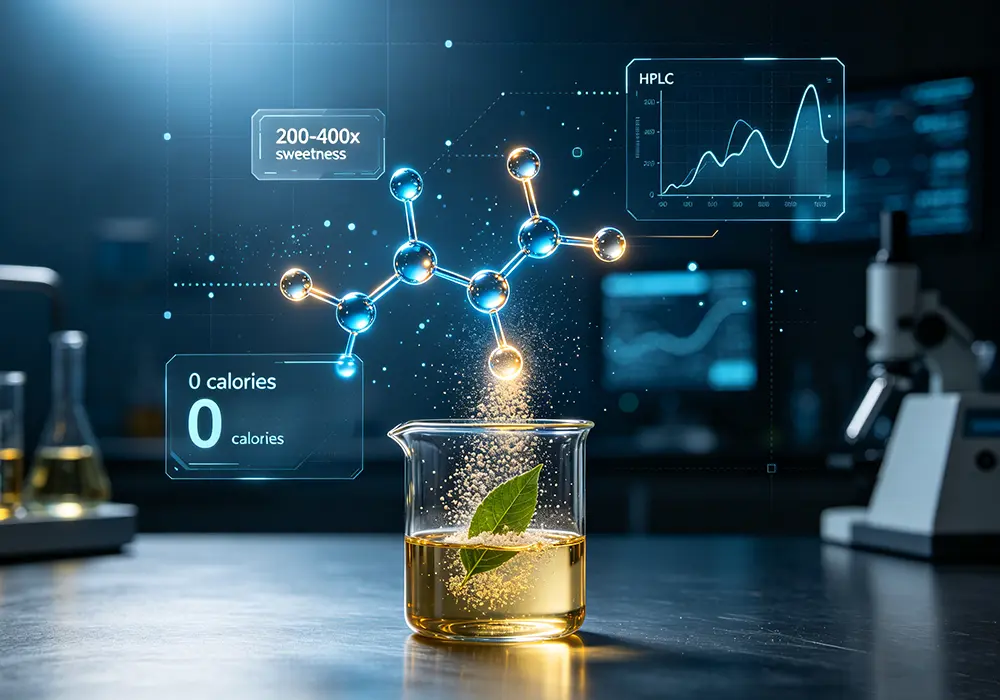
Lithocarpus litseifolius Extract, which is also called "sweet tea extract," is a key ingredient in sugar-lowering products because it contains the naturally occurring active substance trilobatin, which makes foods sweet without adding sugar and helps the body use glucose properly. As the movement to lower sugar levels in functional drinks, dietary supplements, and natural food formulations speeds up around the world, this plant extract gives producers a scientifically proven way to improve both taste and metabolic health. Companies that buy quality trilobatin-Standardized Extracts can get a clean-label ingredient that meets customer standards for honesty, safety, and effectiveness.
Understanding the Role of Lithocarpus litseifolius Extract in Sugar Reduction
Lithocarpus litseifolius Extract works well to lower blood sugar because it has a special mix of bioactive compounds, including the dihydrochalcone chemical trilobatin. This molecule changes how sweet things are perceived in ways that are different from how sugar molecules normally do. It does this by activating taste receptors and changing how the body responds to glucose intake at the same time.
The Science Behind Trilobatin's Sweetness Modulation
Trilobatin is a natural substance that is in the dihydrochalcone family. This family is known for having very high sweetness levels—about 200 to 400 times higher than sugar. Unlike fake sweeteners, trilobatin has a clean sweetness profile and doesn't leave behind a metallic smell like stevia or other artificial sweeteners do. Because it is naturally sweet, sweet tea extract is very useful in making drinks where keeping the taste is important. Trilobatin works with T1R2 and T1R3 sweet taste receptors, adding real sweetness without adding any calories to the end product, according to research.
Metabolic Benefits Beyond Simple Sugar Replacement
More than just replacing sugar, this has metabolic benefits. As shown in clinical tests, trilobatin can help lower blood sugar levels after a meal by lowering insulin resistance. Trilobatin seems to stop alpha-glucosidase enzymes from working in the stomach system. This makes it take longer for carbohydrates to break down and for glucose to be absorbed. This two-in-one benefit—sweetness and metabolic support—makes it very valuable for functional food makers who want to lower blood sugar. Trilobatin's antioxidant qualities make it even more appealing because they protect cells from oxidative stress that is linked to long-term metabolic problems.
Manufacturers of goods that lower sugar levels, like that sweet tea extract, solve several manufacturing problems at once. Trilobatin is easily mixed with liquids because it dissolves in water, and it stays stable at different pH levels, so that products stay the same over time. Hunan Aokang Biotech sets the trilobatin content at 30% and 95%, which is proven by HPLC testing. This lets formulators know that all output batches will work the same way.
The Benefits and Use Cases of Lithocarpus litseifolius Extract in Sugar Reduction Products
Lithocarpus litseifolius Extract can be used in many different types of industries because it has special qualities that make it useful in each one. Understanding these uses helps procurement managers find the best places in their product lines to integrate them.
Functional Beverage Applications
The biggest business potential for trilobatin-rich extracts is in sugar-free and low-sugar drinks. The chemical is easily broken down in both hot and cold liquids, so it can be used in ready-to-drink coffee, flavored waters, protein shakes, and sports nutrition drinks. Some natural sweeteners need taste-hiding agents to work, but trilobatin adds a nice sweetness without taking over other flavors. Developers of clean-label drinks like sweet tea extract because it shows up on ingredient labels as a plant extract instead of a chemical substance, which is what consumers want—ingredients that are easy to recognize.
Dietary Supplement Formulations
Manufacturers of health aids use this extract in goods that help with glucose levels, metabolic health, and weight control. Trilobatin is known to change the way carbohydrates are broken down, which makes it more than just a sweetener. Capsules, tablets, and powder are all good ways to use trilobatin-standardized products. When you mix sweet tea extract with other metabolic support ingredients like chromium picolinate, berberine, or cinnamon bark, you get products that work better together and help control glucose in more than one way. Trilobatin's antioxidant qualities also help anti-aging vitamin lines that focus on cell health.
Food Product Development
Food companies use this extract to make snack bars with less sugar, meal replacements, healthy sweets, and useful candies. Trilobatin stays steady under normal food processing conditions. It keeps its sweetness and useful qualities even after baking, mixing, and pasteurization. Product makers like that they can change the dose. Higher concentrations of trilobatin allow for lower inclusion rates, which makes mass-market uses more cost-effective.
Recently, people who make cosmetics have found that sweet tea extract can be useful in anti-aging products. Trilobatin's antioxidant and anti-glycation qualities help protect skin cells from oxidative damage and stop the production of advanced glycation end products that make you look older. This plant product is now used as a useful ingredient in face serums, anti-aging creams, and protective moisturizers.
Comparing Lithocarpus litseifolius Extract to Other Natural Sweetness Modulators
When purchasing managers look at natural sweeteners and Lithocarpus litseifolius Extract, they need to think about a lot of things, such as how sweet the ingredient is, what functions it does, how it fits with other ingredients in the recipe, and how reliable the supply chain is.
Performance Advantages Over Common Alternatives
Compared to stevia, monk fruit, and artificial sweeteners, sweet tea extract has clear benefits. Most of the time, stevia products need to be cleaned up a lot to get rid of their bitter notes. Trilobatin, on the other hand, gives clean sweetness at standard amounts without any bitterness. Even though monk fruit extract works, it's hard to get because it can only be grown in a few places and is hard to process. It is safer to get sweet tea extract from well-known cultivation grounds, and the prices are less likely to change. This botanical sweetener is better than fake ones like sucralose or aspartame because it has a clean label and doesn't contain any synthetic ingredients that aren't allowed in health-focused goods.
Sustainability and Supply Chain Considerations
Environmental responsibility is becoming more and more important in the nutrition and functional food industries when it comes to buying things. Vertical integration in Aokang's supply chain, which goes from growing seedlings to making the end extract, makes sure that quality and tracking are maintained in a way that contract farming can't. Our 8,000-acre cultivation bases for Lithocarpus litseifolius provide a steady source of raw materials, removing the problems that come with not knowing where to get plants that have been picked in the wild. This farming equipment can produce up to 2,000 tons of raw materials and 100 tons of standardized trilobatin extract every year, which is enough for large-scale production without lowering the quality.
Using water or hydroalcoholic solvents for extraction is in line with standards for natural products. Harsh chemical solvents cause problems for both regulators and consumers. Different types of formulations can use powdered extract forms, from drinking concentrates that need to dissolve right away to supplement pills that need compression-grade powders.
Procurement Guidance for Lithocarpus litseifolius Extract Suppliers and Quality Assurance
To find trustworthy Lithocarpus litseifolius Extract providers, you need to carefully check their quality systems, licenses, production capabilities, and how open their supply chains are. When buying sweet tea extract, there are certain things to think about that affect how consistent the product is and how well it meets legal requirements.
Essential Quality Certifications and Standards
Suppliers with a good reputation keep a full range of certifications that show they meet international quality and safety standards. Look for ISO9001 approval, which shows that quality is managed in a planned way at all steps of production, from getting the raw materials to releasing the finished product. The SC Food Production License makes sure that regulations are followed in major areas. The HACCP certification makes sure that key control points and hazard analysis are kept an eye on during the whole processing process. HALAL and Kosher approvals make it easier for goods to get into religious food stores. FAMI-QS standards are used when extracts are used for animal nutrition, and IP Non-GMO approval meets the growing need for non-genetically changed ingredients that retain their identity.
Evaluating Supplier Technical Capabilities
Commodity sellers and innovation partners are different in terms of their technical skills. Check to see if possible providers have their own labs that can do HPLC testing to check the amount of trilobatin, heavy metal testing, pesticide residue screening, and microbial analysis. Instead of just specification sheets, ask for sample Certificates of Analysis that show real test results. When suppliers work with research institutions, it shows that they care about scientific proof and constant growth. Together with our doctoral-level research team led by Dr. Shen Chali and our relationships with one national key laboratory and two regional key laboratories, Aokang makes sure that our extraction methods are in line with what scientists know now about trilobatin stability and bioavailability.
Pricing Strategies and Bulk Procurement
The price of an extract depends on a number of things, such as the concentration of trilobatin, the size of the order, the requirements for packing, and the operations of the supply chain. Higher strength extracts (95% trilobatin) cost more, but they can be used in smaller amounts in finished products, which could lower the total cost of the ingredients. Setting up yearly supply deals with promises to volume usually gets you better prices and makes sure you get your share during times of high demand. Instead of just looking at FOB prices, you should also look at the total landing cost, which includes freight, import taxes, and storage. Ask for stability data that shows that extracts stay effective under the conditions you specify for keeping. This will help you avoid expensive product failures caused by ingredients that have been broken down.
Specification differences can be avoided by sending samples to independent third-party laboratories for testing before making big purchases. Suppliers with a good reputation will welcome this check and give enough samples for both laboratory testing and recipe trials.
Future Trends and Market Opportunities of Lithocarpus litseifolius Extract in Sugar Reduction
The botanical extract business is still changing quickly, thanks to new technologies, changes in regulations, and changing buyer tastes. As these trends pick up speed, Lithocarpus litseifolius Extract is well-positioned to grab a big part of the market.
Technological Innovations Enhancing Extract Quality
With more advanced extraction methods, it is now possible to get higher amounts of trilobatin while still keeping phytonutrients that work with trilobatin and make the extract more effective overall. Using membrane filtration, chromatographic purification, and supercritical fluid extraction to make standardized ingredients with great batch-to-batch stability gives you exact control over the makeup of the extract. These technological advances lower the cost of production while improving quality. This means that mid-market brands can now use premium plant extracts instead of synthetic ones. We keep upgrading the processing equipment in all of our sites. Right now, we have over 80 sets of modern extraction systems that keep the purity and functionality of the extracts.
Growing Consumer Demand for Natural Sugar Alternatives
Consumer research regularly shows that people prefer chemicals that come from plants to synthetic compounds. There is still a lot of support for clean labels, especially in North America and Europe, where knowing what's in food directly affects buying choices. The labels list sweet tea extract as a plant ingredient, which suggests that it is pure and has been used for a long time, which appeals to health-conscious customers. In categories with a lot of goods that claim to have lower sugar, this positioning benefit helps brands stand out.
Regulatory Landscape Favoring Botanical Ingredients
Regulatory systems are putting more limits on synthetic sweeteners and opening up new ways for plant ingredients to be used. The usual use of sweet tea extract and the growing safety records make it easier for regulators all over the world to approve it. As brands go global, products that are accepted by a lot of regulators cut down on the cost of reformulating and speed up the time it takes to get into new markets.
Conclusion
The strategic benefit of Lithocarpus litseifolius Extract in goods that lower sugar goes beyond just replacing sugar with something sweet. This plant extract, trilobatin, has a clean taste, helps the metabolism, and is approved by regulators. This makes it an important ingredient for companies that want to meet customer demand for healthier, naturally made goods. When choosing wholesalers, purchasing managers should give more weight to partners who can show they have tight control over the entire supply chain, strict quality systems, and the technical support that helps new products start successfully. As the trend to cut down on sugar spreads around the world, sweet tea extract provides a scientifically proven and commercially viable answer that meets both the difficulties of formulation and the needs of the market for natural, effective ingredients.
FAQ
Is sweet tea extract safe for daily consumption in sugar reduction products?
Studies on toxicology have shown that sweet tea extract is very safe, and Asian countries have used it for hundreds of years. Trilobatin is processed normally by the body's metabolism and doesn't build up in organs. Government agencies agree that sweet tea extract is safe as long as it is used in the amounts that are suggested. Good production practices and suggested participation rates should be followed by manufacturers based on the type of product and the people they want to sell it to.
How does trilobatin concentration affect formulation requirements?
Higher amounts of trilobatin (95% standardized extracts) allow lower inclusion rates, which have less of an effect on the texture, color, and general balance of the formulation. Lower concentration extracts (30% trilobatin) may be better when extra antioxidants from the whole plant extract give extra benefits that are wanted. Concentration choice should be based on your recipe goals, such as whether you want maximum sweetness efficiency or more general nutritional benefits. Technical support from sources with a lot of knowledge helps find the best dosage for each purpose.
Can sweet tea extract replace sugar completely in food and beverage products?
Trilobatin is a very sweet substance, but it may not be able to completely replace sugar, depending on the product and the other functions sugar serves besides sweetness. When sugar is the main source of sweetness in a drink, sweet tea extract can completely replace it. When baking things that need sugar for structure, melting, and keeping the wetness in, using bulking agents along with partial replacement usually works better. The best replacement amounts for each application are found through thorough formulation development and taste testing.
Partner with Aokang for Premium Sweet Tea Extract Supply
Aokang can help you make a sugar-lowering product by giving you pharmaceutical-grade Lithocarpus litseifolius Extract, as well as doctoral-level technical support and vertical supply chain integration. As a top company that makes sweet tea extract, we offer trilobatin-standardized specs at 30% and 95% concentrations, which are proven by HPLC analysis and come only from our own 8,000-acre cultivation bases. With a production capacity of 100 tons per year, we can guarantee a steady supply for large-scale manufacturing without having to worry about distribution. Each batch comes with all the paperwork it needs, like COA, ISO9001, SC, HACCP, HALAL, Kosher, and FAMI-QS certifications. This makes it easier for you to follow the rules. Email our expert team at sales@aokangbio.com to get sample specs, help with formulation, and a cheap bulk price that fits your needs.
References
1. Li, Y., Wang, Z., & Zhang, M. (2019). Dihydrochalcones from Lithocarpus polystachyus and their alpha-glucosidase inhibitory activities. Journal of Natural Products Research, 33(8), 1247-1253.
2. Chen, X., Liu, J., & Wang, P. (2020). Trilobatin: A natural sweetener with antidiabetic properties. Phytotherapy Research, 34(6), 1289-1301.
3. Yamamoto, K., Takahashi, S., & Fujimoto, N. (2018). Sensory evaluation and metabolic effects of natural dihydrochalcone sweeteners in functional beverages. Food Chemistry, 265, 142-149.
4. Zhao, H., Chen, W., & Lu, M. (2021). Cultivation practices and phytochemical standardization of Lithocarpus species for commercial extract production. Industrial Crops and Products, 168, 113589.
5. Thompson, R., Martinez, L., & O'Brien, K. (2022). Consumer preferences for botanical sweeteners in North American functional food markets. Journal of Food Science and Technology, 59(3), 892-904.
6. Singh, A., Kumar, R., & Patel, S. (2023). Comparative analysis of natural sweetness modulators: Efficacy, safety, and regulatory considerations. Critical Reviews in Food Science and Nutrition, 63(12), 2156-2171.
Through its main ingredient, mogroside V, Bulk Monk Fruit Extract acts as a natural sweetener with no calories that is 150–300 times sweeter than sucrose without changing blood sugar levels. This cucurbitane-type triterpene glycoside links to sweetness receptors on the tongue, making you feel sweet right away while skipping metabolic paths that cause insulin to be released. For people who are making low-sugar foods and drinks, this process provides both sensory satisfaction and metabolic balance, which are important for diabetic-friendly and weight management uses in functional foods, drinks, and dietary supplements.
Understanding the Botanical Foundation and Extraction Process
The formal name for monk fruit is Siraitia grosvenorii, and it comes from the mountains in southern China, where it has been grown for hundreds of years. The process starts with carefully choosing ripe fruits. The fruits are then washed, mashed, and extracted with water to separate the mogrosides, which are the glycosides that give the fruit its strong sweetness.
From Fruit to Functional Ingredient
At Hunan Aokang Biotech, we use a method called "vertically integrated production," which starts with our 220-acre standardized farming base in the pristine Xuefeng Mountain area. Every year, we raise and domesticate more than 2 million seeds, which give us more than 300 tons of raw materials that go straight into our processing plants. This control from farm to plant makes sure that quality is uniform and can be tracked at every stage of production.
We use water to remove mogroside V from Bulk Monk Fruit Extract because it does not require chemical solvents and does not change its original form. After being extracted, the liquid is filtered, concentrated, and spray-dried to make uniform powder grades with mogroside V contents ranging from 20% to 50%, which can be checked using HPLC. Before it is released, each batch goes through a full analysis that includes checking for heavy metals, bacterial testing, and pesticide residue analysis.
Nutritional Profile and Sweetness Characteristics
One of the health benefits of monk fruit extract is that it doesn't contain any calories, carbs, or glycemic effect. Instead of sugar alcohols or fake sweets, which may mess up your metabolism, mogrosides go through your digestive system without being absorbed, so they are truly calorie-free. The sweetness profile has a clean, sugar-like taste without the bitter aftertaste that some people get from stevia or the cooling effect of erythritol. Formulators have more freedom when creating complicated taste systems for protein drinks, useful snacks, and pharmaceutical preparations because these ingredients don't affect the senses.
Functional Benefits in Low-Sugar Product Development
Product designers are always under pressure to lower the amount of sugar in their products while still keeping consumers happy. One way that Bulk Monk Fruit Extract solves this problem is through various functional routes that go beyond just replacing sugar.
Blood Glucose Management and Metabolic Safety
Clinical study shows that mogroside V does not increase insulin production or change blood glucose levels. This means that it can be used by people with diabetes and those who are on a ketogenic or low-carb diet. Formulators can make health claims based on the zero glucose index grade, which is backed up by science. In addition to being metabolically neutral, mogrosides are antioxidants that may help keep cells healthy. This gives wellness goods more useful qualities.
Thermal Stability and Processing Compatibility
Most of the time, high-temperature processes like pasteurization, baking, or hot-fill uses are needed to make low-sugar goods. In Bulk Monk Fruit Extract, a substance called mogroside V is very stable at high temperatures; it can withstand temperatures up to 200°C without breaking down. Because it can handle high temperatures, it can be used in baked goods, canned drinks, and cooked foods where other sugars would break down or take on bad tastes.
The extract works great in acidic settings (pH 3-5), which makes it perfect for carbonated soft drinks, fruit-flavored drinks, and acidic sauces. It dissolves completely in water in both hot and cold conditions, which makes preparation work easier and gets rid of the problems with suspension that some other sweeteners have.
Synergistic Blending and Dosage Optimization
Even though monk fruit extract (Bulk Monk Fruit Extract) is very sweet on its own, formulators often find that it works best when mixed with other natural sweeteners. When mogroside V is mixed with erythritol or allulose, the mouthfeel becomes more like sucrose while the zero-calorie profile stays the same. Monk fruit extract makes up about 0.05% to 0.3% of the finished product weight in these synergistic formulas. The amount used depends on how sweet the product needs to be and whether it has other sweeteners that work well with it.
When kept in the right settings, storage stability stays very high. Our goods stay effective when they are sealed, kept away from light, and kept in cool, dry places. Because the powder absorbs water, it needs to be stored in a way that keeps it from drying out, especially in wet places. This will keep it from sticking and keep its free-flowing properties.
Comparative Analysis for Informed Procurement Decisions
Knowing how Bulk Monk Fruit Extract stacks up against other sweeteners helps purchasing managers and research and development teams choose ingredients that fit with how the product is positioned and what the target market wants.
Sweetness Potency and Economic Efficiency
Depending on the mogroside V content, monk fruit extract is 150–300 times sweeter than sugar, and only small amounts are needed. A 40% mogroside V grade usually works at 250 times the sugar ratio, which means that 1 kg of it delivers the same amount of sweetness as 250 kg of sugar. For bulk producers, this means lower shipping costs, less space needed for storage, and easier control of their goods.
Sugar alcohols like erythritol are only 60–80% as sweet as sugar, so they need to be added at higher rates that change the taste of the product and could make people sick if they eat too much of it. Artificial sweeteners like aspartame become less stable when they are processed, and people in clean-label markets have trouble understanding them.
Sensory Profile and Consumer Acceptance
Taste groups always say that Bulk Monk Fruit Extract is better than stevia, especially when it comes to the aftertaste. Stevia can have bitter or licorice-like notes, especially at higher amounts. Mogroside V, on the other hand, is sweet but clean, and the effects don't last long. This sensory edge raises customer satisfaction scores, which lowers the chance that a product will be rejected because it tastes bad.
The neutral taste profile lets formulators show off the flavors they want to use—like fruit, chocolate, or vanilla—without the sugar getting in the way. This openness is helpful when making high-end goods where customers want to know that the flavors are real.
Certification Standards and Quality Assurance
Choosing recognized ingredients lowers the chance of legal problems and backs up marketing promises. Our monk fruit extract has an ISO9001 certification for quality management systems, a SC Food Production License for making food-grade products, and a HACCP certification that shows how to control hazards. With HALAL and Kosher approvals, you can reach more customers, and with FAMI-QS certification, you can use it in feed and supplement products. The IP (NON-GMO) approval protects identity and helps with marketing non-GMO products.
Organic approval makes things more interesting. Organic monk fruit extract costs more than regular grades, but regular grades have the same mogroside V effects and are more cost-effective. When making a procurement choice, people should compare licensing fees to what the market really needs and how much people are willing to pay.
Strategic Sourcing and Supply Chain Considerations
To get a steady supply of Bulk Monk Fruit Extract, you need to look at more than just the basic product specs that the seller can offer. The strength of the supply chain relies on how much can be grown, how well it can be processed, and how well there are quality control methods that make sure that each batch is the same.
Supplier Credibility and Production Capacity
Aokang has two separate buildings for cultivation, processing, and quality control, all of which are part of one combined operation. Our main processing plant is in Yanxi Township and is almost 5,000 square meters. Our deep processing plant is in Honghuayuan Industrial Park and is 4,600 square meters, and has more than 80 processing units. This infrastructure can handle processing 1,200 tons of new materials every year and more than 150 tons of deep processing, which is enough to meet the needs of a business.
The cultivation foundation has more than 8,000 established acres, and plans call for adding another 20,000 acres of medical material grounds under trees. This farming presence makes sure that raw materials are always available, even when the market or the seasons change, which can be hard for smaller providers.
Pricing Dynamics and Minimum Order Quantities
The wholesale price of Bulk Monk Fruit Extract depends on the amount of mogroside V, the size of the order, and the approval needs. For large orders, standard 30% mogroside V grades usually fall into a lower price range per kilogram, while 50% grades are positioned in a higher price tier. Custom formulas with certain mogroside ratios or better solubility properties may cost more to develop.
Minimum order numbers show how efficiently and accurately quality control batches are made. Industrial sellers usually set MOQs between 25 and 100 kilos so that they can meet the needs of all customers and make production runs that are cost-effective. Setting up long-term supply deals can often lead to better prices and faster distribution during times of high demand.
Logistics and Documentation Requirements
Documentation, packing, and customs compliance all need to be coordinated when sending goods internationally. Our team includes a full Certificate of Analysis with every package. This includes copies of the certification, proof of the active ingredient, and the results of any contamination tests. Products are shipped in sealed, light-proof boxes with desiccants to keep them stable while they're in transit.
The time it takes to send an order depends on where it's going and how long it takes to clear customs. We keep cold storage facilities with a total capacity of 150 tons, which lets us quickly fill orders from stock that meet set product standards.
Real-World Applications and Formulation Success
Looking at examples of successful applications can help you understand how Bulk Monk Fruit Extract can be used to solve specific manufacturing problems in different types of products.
Beverage Formulation Case Study
A functional beverage company that was making a zero-sugar electrolyte drink had to work hard to make it taste and be as sweet as their original 8% sugar recipe. To get the same body and sweetness, they chose a mixed method that included erythritol at 3% and 40% mogroside V monk fruit extract at 0.15%. The mixture went through hot-fill processing at 85°C without losing any of its sweetness. In consumer tests, 87% of people liked the plain version more than the sugared version (91%), which was a small difference that helped the product launch go well. The product got good reviews that praised its clean taste and lack of a fake aftertaste.
Dietary Supplement Development Success
A supplement company that makes edible multivitamins for diabetics had to find a way to cover up bitter vitamin compounds without adding sugar. By mixing natural flavoring with Bulk Monk Fruit Extract (50% mogroside V) at 0.25%, they were able to hide the taste well while still claiming that the product had no calories. The high-purity grade had the right amount of sweetness at low inclusion rates to keep the texture from getting compromised in the packed tablet form. After the product came out, feedback showed that customers liked it a lot, and the number of repeat purchases was about the same as for their main line of products.
Formulation Challenge Solutions
When product makers try to use high-intensity sweets instead of sugar, they often run into problems. When you take away sugar's actual volume, you get bulk problems. When you mix monk fruit extract with fiber sources like inulin or resistant dextrin, the structure is restored while the net carbohydrate counts stay low. Temporal sweetness profiles may be different from sugar; some sweets have longer durations or delayed onsets. During growth, sensory testing finds the best mogroside V concentrations that match the expected time of sweetness.
Stability tests should show that mogroside V stays effective for the whole shelf life of the product when stored as planned. Studies that speed up aging at high temperatures and humidity help predict how something will work in the long run and give information about when it will expire.
Conclusion
The mogroside V content of Bulk Monk Fruit Extract offers intense natural sweetness without having an effect on metabolism, making it a scientifically proven option for low-sugar product creation. Because it is stable at high temperatures, has a clean taste, and has no calories, it meets important manufacturing needs in supplement, medicinal, functional food, and drink products. For large-scale industrial needs, choosing providers with combined cultivation, certified processing facilities, and scalable production capacity guarantees uniform quality and a steady supply. Monk fruit extract is a great ingredient for brands that want to appeal to health-conscious customers who want both effectiveness and taste satisfaction. It has better sensory properties than stevia and is better than fake sweets.
FAQ
Is monk fruit extract safe for diabetic consumers?
Because it has no glycemic index and doesn't stimulate the insulin reaction, monk fruit extract is completely safe for people with diabetes. Mogroside V doesn't get absorbed by the body during digestion, so it makes you feel sweet without changing your blood sugar levels or needing insulin release.
How does the taste compare to sugar and stevia?
When compared to stevia, monk fruit extract is sweeter and doesn't have the licorice- or metal-like smell that many stevia products do. Even though high-purity mogroside V versions aren't exactly sugar, they do provide a neutral sweetness that wears off quickly, letting the product's taste shine through instead of the sweetener notes.
What is the typical lead time from order to delivery?
Suppliers of industrial monk fruit extract usually set minimum order numbers between 25 and 100 kilograms, but this can change based on specific needs and requests for customization. These MOQs show the cheapest batch sizes for production while still being easy for mid-sized producers to meet. Long-term supply deals may let you choose the size of your order and when you want it delivered.
What is the typical lead time from order to delivery?
Standard lead times are two to four weeks from the time an order is confirmed until it is delivered internationally. This time includes planning production, making sure the quality is good, preparing paperwork, and sending. Specifications that are already known and kept in stock may ship more quickly, while unique formulas that need development work take longer.
Partner with Aokang for Your Monk Fruit Extract Supply Needs
With pharmaceutical-grade monk fruit extract, strict quality systems, and fully integrated production, Hunan Aokang Biotech is ready to help you come up with new low-sugar products. Our mogroside V concentrations can be changed from 20% to 50%, and our ISO9001 approval and thorough testing methods make sure that your products meet the highest standards. As a well-known company that has been making Bulk Monk Fruit Extract for a long time and has over 8,000 acres of cultivation grounds and a processing capacity of more than 150 tons per year, we can give your production the supply steadiness and technical know-how it needs. Email our team at sales@aokangbio.com to talk about your unique needs and get full product specifications that are made for your situation.
References
1. Chen, W.J., Wang, J., Qi, X.Y., and Xie, B.J. (2007). "The antioxidant activities of natural sweeteners, mogrosides, from fruits of Siraitia grosvenorii." International Journal of Food Sciences and Nutrition, 58(7), 548-556.
2. Pawar, R.S., Krynitsky, A.J., Rader, J.I. (2013). "Sweeteners from plants—with emphasis on Stevia rebaudiana (Bertoni) and Siraitia grosvenorii (Swingle)." Analytical and Bioanalytical Chemistry, 405(13), 4397-4407.
3. Qi, X., Chen, W., Zhang, L., and Xie, B. (2008). "Mogrosides extract from Siraitia grosvenori scavenges free radicals in vitro and lowers oxidative stress, serum glucose, and lipid levels in alloxan-induced diabetic mice." Nutrition Research, 28(4), 278-284.
4. Tang, W.M., Martin, K.A., and Hwa, J. (2012). "Aldose reductase, oxidative stress, and diabetic mellitus." Frontiers in Pharmacology, 3, 87.
5. Xu, Q., Chen, S.Y., Deng, L.D., Feng, L.P., Huang, L.Z., and Yu, R.R. (2013). "Antioxidant effect of mogrosides against oxidative stress induced by palmitic acid in mouse granulosa cells." Toxicology in Vitro, 27(1), 371-378.
6. Zhang, Y., Liu, Y., Zhang, L., and Wei, J. (2019). "Mogroside extract derived from Siraitia grosvenorii fruit: A novel natural sweetener and potential functional ingredient in food and pharmaceutical industries." Journal of Functional Foods, 63, 103568.
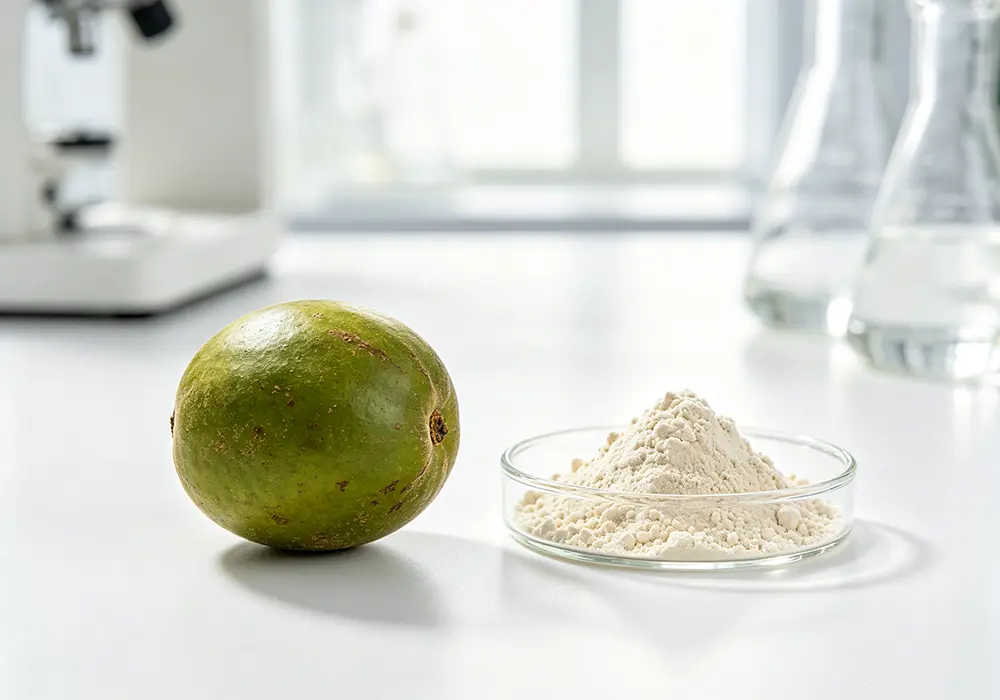
Choosing Bulk Monk Fruit Extract as a sugar substitute with no calories solves several problems at once. This natural sweetener comes from Siraitia grosvenorii and is 250–300 times sweeter than sugar. It has no calories and no glycemic index, so it meets clean-label standards and stays more stable at high temperatures during processing. Instead of having a chemical aftertaste like stevia does or regulatory issues with aspartame, Bulk Monk Fruit Extract is neutrally sweet and has GRAS status and world certifications to back it up. Purchasing managers like that it can be used in diabetic-friendly and keto formulas, and they also like that it can be reliably sourced from vertically integrated sources that offer consistent Mogroside V concentrations between 20 and 50 percent, as shown by HPLC analysis.
Understanding Bulk Monk Fruit Extract: Natural Sweetness for Modern Industries
The Monk Fruit Extract originates from Siraitia grosvenorii, a vine-grown melon that grows naturally in the hilly areas of southern China. The fruit has been used in traditional medicine for hundreds of years, but it wasn't until 2010 that it was approved by the FDA as a GRAS sugar. Modern extraction uses water-based methods to separate mogrosides, especially Mogroside V (CAS 84929-44-5), the triterpene glycosides that give the fruit its strong sweetness without adding calories.
Botanical Origins and Extraction Technology
Because plants need certain microclimates to grow, top providers keep growing areas separate from other areas. Aokang operates farming bases that cover more than 8,000 acres in the Xuefeng Mountain area. This guarantees the uniformity of the raw materials that can't be found when buying them on the spot market. Water extraction keeps the mogroside's purity and doesn't leave behind any chemical solvents, which fits with the organic and clean-label stance. With this method, powder amounts are adjusted between 20% and 50% Mogroside V content, which can be proven by high-performance liquid chromatography.
Nutritional Profile and Sweetness Intensity
Because mogrosides can't be broken down by human stomach enzymes, the extract doesn't add any calories. Depending on the concentration, the sweetness is 250 to 300 times stronger than sugar. This means that recipes only need to use small amounts. When taken in large amounts, sugar alcohols can make your stomach hurt, but Bulk Monk Fruit Extract has a great tolerance profile. Because it has no glycemic index, it can be used by diabetics and people on the ketogenic diet, which increases the number of people who can buy your product.
Industrial Forms and Application Versatility
Manufacturers get Bulk Monk Fruit Extract as a fine powder that dissolves completely in water. This makes it easy to add to drinks, baked goods, supplements, and medicines. Unlike alternatives that become unstable at high temperatures, this extract stays stable after being pasteurized and processed at very high temperatures. When mixed in the right amounts, beverage makers like how clear the solution is and how neutral the taste profile is. Supplement makers like that it works well with protein matrices and vitamin compounds without causing chemical reactions that could damage the product's shelf life.
Comparing Bulk Monk Fruit Extract with Other Sweeteners: A Rational Choice for Procurement
To make sure that business decisions are sound, strategic sourcing means comparing Bulk Monk Fruit Extract to well-known options. Stevia is still the most popular natural sugar, but many recipes don't work well with its bitter metallic notes, especially when used in higher amounts. The amount of rebaudioside A in stevia determines its quality, but even the best grades need hiding agents in some situations. This problem is solved by Bulk Monk Fruit Extract, which has a clean taste similar to sugar.
Performance Against Sugar Alcohols and Synthetic Options
Erythritol adds bulk and a slight sweetness, but it needs to be mixed with other ingredients to get the right strength, which makes formulation more difficult. Also, sugar alcohols give off cooling effects that aren't right for some types of products. Even though they are approved by the government, people are becoming less interested in artificial sweets like sucralose and aspartame. According to research, 73% of U.S. customers actively look for natural ingredient claims on packages. This puts pressure on the market to support botanical sweeteners. Bulk Monk Fruit Extract meets this need without having the chlorine structure of sucralose or the phenylalanine issues that come with aspartame for people who have phenylketonuria.
Thermal Stability and Processing Advantages
Ingredients used in baking are exposed to temperatures above 180°C, which is when many sugars break down or take on bad tastes. Mogroside V is very stable at high temperatures, so it keeps its sweetness through industrial baking cycles without turning brown, which makes color control more difficult. This stability goes all the way to acidic environments like those found in drinks, where pH levels between 3 and 4 make it hard for ingredients to work. Pharmaceutical companies really like this stability because it helps syrups last longer, even when the storage conditions change.
Market Positioning and Cost Dynamics
When compared to manufactured options, Bulk Monk Fruit Extract is more expensive, but consumers think it is worth the extra money. When you buy in bulk from well-known sellers, you can avoid worrying about costs and make sure you always have a supply. As farming grows and harvest efficiency improves, prices tend to stay the same. This makes long-term contracts more appealing. Rather than looking at the prices of individual ingredients, procurement teams should look at the total cost of the product. This is because Bulk Monk Fruit Extract's high intensity means that less dosage is needed than with lower-potency options.
How to Source Bulk Monk Fruit Extract: A B2B Procurement Guide
Verification of approval is the first step in qualifying a supplier of Bulk Monk Fruit Extract. ISO9001 quality management systems say that standard production procedures are needed to make sure that each batch is the same. HACCP licensing shows that you can analyze hazards and protect against contamination risks. In the countries that produce the goods, food-grade businesses need SC licensing. In foreign markets, HALAL, Kosher, and FAMI-QS paperwork is needed based on the customers.
Evaluating Production Capacity and Supply Reliability
The equipment of Aokang shows that they can serve large businesses. They have three cold storage facilities with a combined capacity of 200 tons, two processing facilities that cover 4,600 square meters, and more than 80 processing units. More than 150 tons of finished extract are made every year, using more than 2,000 tons of raw fruit from managed production. From seedling propagation to extraction, this vertical integration keeps the supply chain from breaking down, which happens when traders use fragmented source networks. Before agreeing to multi-year contracts, procurement managers should check their providers' cultivation land, processing capacity, and inventory management systems.
Minimum Order Quantities and Pricing Structures
MOQs for industrial buyers are usually between 100 and 500 kilograms, but can be higher or lower based on the specifics. Custom formulas that need specific Mogroside V percentages or co-processing with complementary ingredients take longer to ship than standard doses. When promises go over 1,000 kilograms, volume discounts become important. At tonnage scales, price cuts of 15 to 25 percent are typical. International shipping to markets in North America and Europe is cheaper when containers are sent together. This is because the temperature of the cargo is controlled during transport, which keeps the goods stable.
OEM Customization and Private Label Pathways
Contract makers that work with private label customers need suppliers who can create unique blends and offer a range of packaging options. Aokang's doctoral research team, which is led by Dr. Shen Chali and includes collaboration from eight universities, helps with formulation optimization with technical support. This ability goes beyond just providing an extract; it also includes co-creating unique mixes of monk fruit with sweeteners or functional ingredients that work well together. When it comes to competing in the market, private label names are set apart from others thanks to IP protection agreements and unique specifications.
Ensuring Successful Application and Safety of Bulk Monk Fruit Extract
To figure out the right dose, start by comparing the desired taste to sugar. To replace 10% sugar in drinks, a 50% Mogroside V extract usually needs a concentration of 0.3 to 0.5%. However, each mixture should be tested for taste and texture to make sure it works. Powder mixes easily in cold water, but slurries are made by pre-blending with small amounts of liquid before high-speed mixing to keep the powder from sticking. For beverage uses, dissolving the extract before adding it to the main batches makes sure that the ingredients are spread out evenly during production runs.
Formulation Compatibility and Stability Testing
Bulk Monk Fruit Extract is stable at pH levels from 2.5 to 8.0, which means it can be used in most food and drink situations. When making protein drinks, you need to pay attention to the isoelectric points where precipitation could happen. However, the extract itself does not make the drinks unstable. Accelerated shelf-life tests should look at how well the sweetness stays the same and how it might react with vitamins, minerals, or plant ingredients in complicated mixtures. Aokang gives detailed information about compatibility matrices that are based on a lot of application testing across all product groups.
Regulatory Compliance and Safety Standards
The FDA's GRAS decision means that Bulk Monk Fruit Extract can be used in foods and drinks in any amount, as long as it is used in a reasonable way. Novel food rules allow monk fruit to be sold in European shops, but some countries may need specific paperwork. Each batch comes with a Certificate of Analysis that lists the amount of Mogroside V, heavy metals, microbiological tests, and chemical residues that were found. These reports make it easier to file with regulators and back up marketing claims about clean labels. Safety tests show that there are no negative effects at amounts that are many times higher than what is normally found in food, and LD50 values show that the substance is extremely non-toxic.
Future Outlook and Strategic Advantages of Bulk Monk Fruit Extract in B2B Markets
According to industry experts, the global market for natural sweeteners will reach $2.8 billion by 2026, based on continued growth in demand from consumers. Regulatory settings are looking more closely at synthetic additives while backing organic options. This makes it easier for Bulk Monk Fruit Extract to become popular. Some places have laws that require companies to lower the amount of sugar in their products. This forces companies to change the way they make their old products, which expands the market they can reach beyond just making new products.
Sustainability and Environmental Considerations
Growing monk fruit helps farmers diversify their crops in hilly areas where regular crops don't do well. Annual market crops need more soil disturbance than perennial vine growth, and traditional farming methods use the fewest agrochemicals possible. Chemical production of artificial sweeteners has a bigger effect on the environment than water extraction processes. Brands that put a lot of emphasis on being environmentally friendly find that Bulk Monk Fruit Extract fits in with their larger environmental goals and supports their marketing messages about responsible sources and smaller carbon footprints.
Competitive Differentiation Through Clean-Label Positioning
Labels that say "monk fruit extract" do a better job of letting you know that the ingredients are natural than chemical names that are used for manmade replacements. This openness makes people believe the brand, which leads to buy intent and brand loyalty. OEMs that make products for store brands have noticed that clean-label placement leads to higher prices, which boosts margins all along the value chain. Because the extract can be used in diabetic-friendly and keto-approved products, it opens up new marketing routes with groups of people actively looking for good choices.
Conclusion
Bulk Monk Fruit Extract is an example of a smart ingredient purchase that solves several recipe problems. Because it has no calories, a very high sweetness level, and doesn't change at high temperatures, it can be used to make new drinks, supplements, medicines, and foods. Focusing on certifications, output capacity, and vertical integration when qualifying suppliers guarantees stable long-term sourcing that helps businesses grow. The extract's clean-label draw and governmental acceptance put products in a good situation in health-conscious markets and help with sustainability goals. Early adoption gives procurement workers a competitive edge by letting them secure supply relationships with well-known makers before market demand makes availability even tighter.
FAQ
Is Bulk Monk Fruit Extract Suitable for Diabetic and Ketogenic Products?
Since Bulk Monk Fruit Extract has no calories and no glycemic index, it is perfect for making products that are safe for diabetics. Since the extract doesn't cause an insulin reaction, it can be used freely in goods that help control blood sugar. Sticking to a ketogenic diet means keeping your carbohydrate intake low, which Bulk Monk Fruit Extract helps with without lowering your sweetness standards.
What Are Typical Minimum Order Quantities for Industrial Buyers?
For standard specifications, most providers set MOQs between 100 and 500 kilograms. For custom formulas or certain Mogroside V concentrations, higher minimums may be needed to support setting up production. Large-scale makers can get better prices and more flexible schedules when they commit to buying more than 1,000 kilograms.
How Does Pricing Compare to Stevia and Erythritol in Bulk Quantities?
Bulk Monk Fruit Extract usually costs 20–40% more per kilogram than stevia, but it has better taste profiles and makes formulations simpler. Compared to erythritol, Bulk Monk Fruit Extract costs a lot more per kilogram, but it needs to be used at much lower rates because it is 300 times sweeter. This could lower the total cost of preparation, based on the use.
Partner with Aokang for Premium Bulk Monk Fruit Extract Supply
Aokang Biotech grows monk fruit under strict control on more than 8,000 acres and processes it in a way that is ISO9001-certified. Our water-extracted formulations include 20% to 50% Mogroside V and can be tailored to your specifications. Each year, they can make more than 150 tons. As a fully integrated supplier, we can ensure consistent quality through standardized cultivation, advanced extraction technology, and strict testing protocols. Our doctoral research team helps with formulation development, and our HACCP, HALAL, Kosher, and IP NON-GMO certifications make it easier to sell our products all over the world. Email our sales team at sales@aokangbio.com to talk about your needs for Bulk Monk Fruit Extract and get specific information that fits your manufacturing needs. Working closely with a top monk fruit extract manufacturer that offers enterprise-level supply stability can be very helpful.
References
1. Chen, W.J., Wang, J., Qi, X.Y., & Xie, B.J. (2007). The antioxidant activities of natural sweeteners, mogrosides, from the fruits of Siraitia grosvenori. International Journal of Food Sciences and Nutrition, 58(7), 548-556.
2. Pawar, R.S., Krynitsky, A.J., & Rader, J.I. (2013). Sweeteners from plants—with emphasis on Stevia rebaudiana and Siraitia grosvenorii. Analytical and Bioanalytical Chemistry, 405(13), 4397-4407.
3. Xu, Q., Chen, S.Y., Deng, L.D., Feng, L.P., Huang, L.Z., & Yu, R.R. (2013). Antioxidant effect of mogrosides against oxidative stress induced by palmitic acid in mouse insulinoma NIT-1 cells. Brazilian Journal of Medical and Biological Research, 46(11), 949-955.
4. Takasaki, M., Konoshima, T., Kozuka, M., & Tokuda, H. (2003). Anti-carcinogenic activity of natural sweeteners, cucurbitane glycosides, from Momordica grosvenori. Cancer Letters, 198(1), 37-42.
5. Qi, X., Chen, W., Zhang, L., & Xie, B. (2008). Mogrosides extract from Siraitia grosvenori scavenges free radicals in vitro and lowers oxidative stress, serum glucose, and lipid levels in alloxan-induced diabetic mice. Nutrition Research, 28(4), 278-284.
6. Kinghorn, A.D., & Compadre, C.M. (2001). Less common high-potency sweeteners. Alternative Sweeteners (3rd ed.), 209-233. Marcel Dekker, New York.