- English
- French
- German
- Portuguese
- Spanish
- Russian
- Japanese
- Korean
- Arabic
- Irish
- Greek
- Turkish
- Italian
- Danish
- Romanian
- Indonesian
- Czech
- Afrikaans
- Swedish
- Polish
- Basque
- Catalan
- Esperanto
- Hindi
- Lao
- Albanian
- Amharic
- Armenian
- Azerbaijani
- Belarusian
- Bengali
- Bosnian
- Bulgarian
- Cebuano
- Chichewa
- Corsican
- Croatian
- Dutch
- Estonian
- Filipino
- Finnish
- Frisian
- Galician
- Georgian
- Gujarati
- Haitian
- Hausa
- Hawaiian
- Hebrew
- Hmong
- Hungarian
- Icelandic
- Igbo
- Javanese
- Kannada
- Kazakh
- Khmer
- Kurdish
- Kyrgyz
- Latin
- Latvian
- Lithuanian
- Luxembou..
- Macedonian
- Malagasy
- Malay
- Malayalam
- Maltese
- Maori
- Marathi
- Mongolian
- Burmese
- Nepali
- Norwegian
- Pashto
- Persian
- Punjabi
- Serbian
- Sesotho
- Sinhala
- Slovak
- Slovenian
- Somali
- Samoan
- Scots Gaelic
- Shona
- Sindhi
- Sundanese
- Swahili
- Tajik
- Tamil
- Telugu
- Thai
- Ukrainian
- Urdu
- Uzbek
- Vietnamese
- Welsh
- Xhosa
- Yiddish
- Yoruba
- Zulu
When looking for high-quality Acanthopanax Senticosus Extract, which is also called Siberian Ginseng, the choice depends on three things: the supplier's references being checked, the bioactive stability being proven, and the ability to produce on an industrial scale. Good buying partners use standard growing conditions, hydroalcoholic extraction that has been confirmed by HPLC tests for Eleutherosides B+E content (0.8%–1.8%), and they have certifications like ISO9001, HALAL, and Kosher. Leading makers in Northeast China use study teams with doctoral degrees and more than 20 years of experience working with plants to make sure that each batch can be tracked and that they follow USP guidelines. People who work in procurement should give more weight to sellers who offer COA documentation, third-party audit reports, and specs that can be changed to fit the needs of nutraceutical, cosmetic, or pharmaceutical uses.
Understanding Acanthopanax Senticosus Extract and Its Market Demand
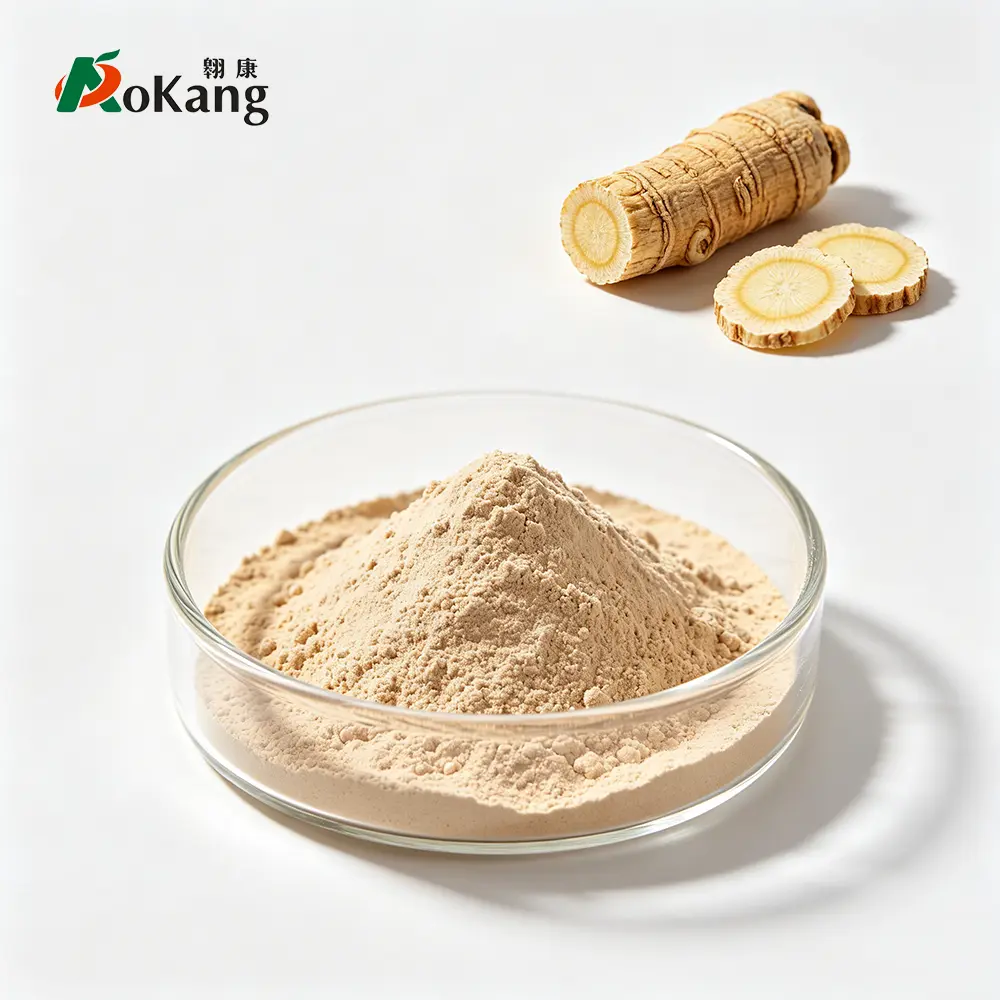
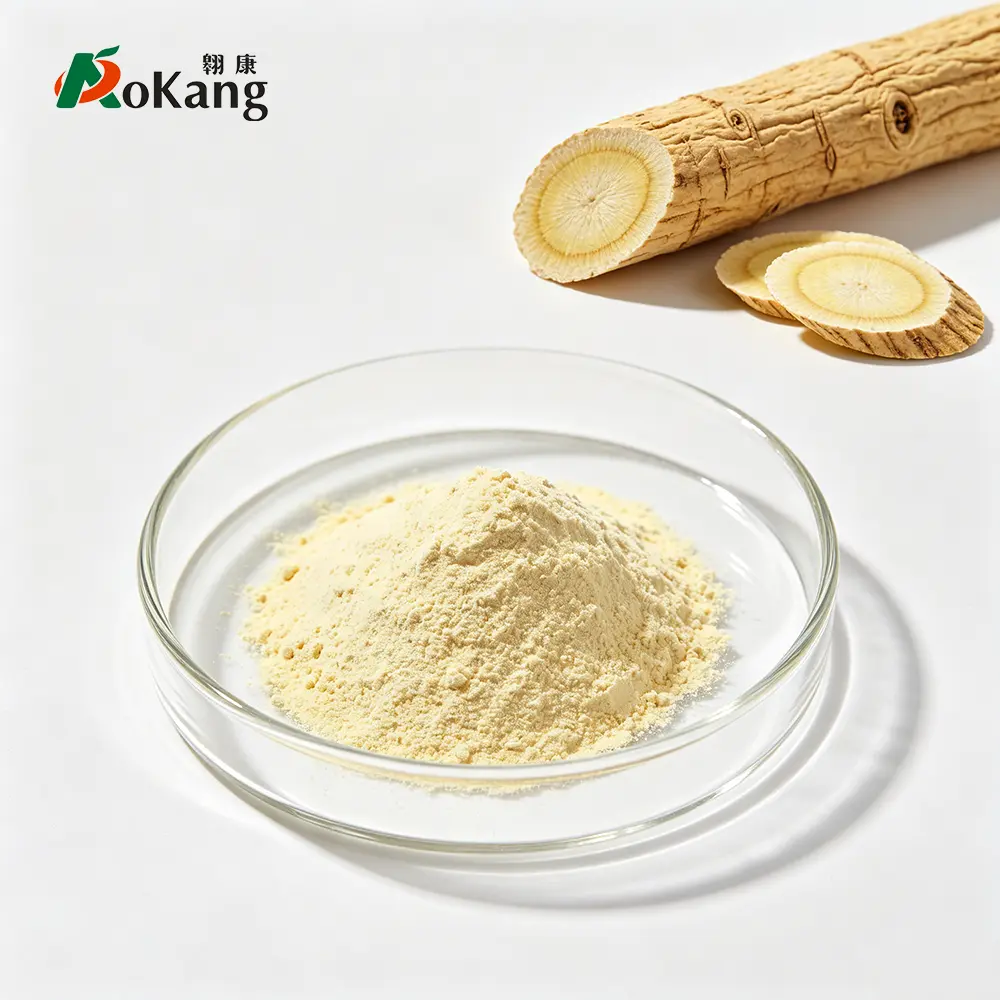
The dried roots and rhizomes of the deciduous plant Acanthopanax Senticosus are used to make Acanthopanax Senticosus Extract. This shrub is native to hilly areas in Northeast Asia. Unlike real ginsengs from the Panax family, this adaptogen has two different bioactive markers: Eleutheroside B (syringin, CAS 118-34-3) and Eleutheroside E (syringaresinol diglucoside, CAS 39432-56-9). These markers regulate how the body reacts to stress without making it too active.
Rising B2B Demand Across Industries
The global adaptogen market has grown incredibly fast, thanks to people becoming more aware of natural ways to boost the immune system and deal with stress. Nutraceutical companies are using Acanthopanax Senticosus more and more in sports nutrition products for endurance athletes, and functional beverage companies like that it dissolves easily in water for ready-to-drink uses. Neuroprotection and chronic disease prevention research institutions have increased the need for standardized products that meet strict analysis requirements. This plant helps with important problems in the industry, like the need for energy boosters without coffee, eco-friendly alternatives to ingredients that come from wild animals, and herbs that are safe to use and have been proven to work by science.
Core Health Benefits Validated by Research
New studies back up the old uses of this herb. The eleutheroside content helps the immune system work in two directions, which means it can boost immune responses that aren't working as well and calm down inflammatory reactions that are going too far. Better oxygen use and less lactic acid buildup during physical activity are two anti-fatigue processes. Antioxidants protect cell structures from reactive stress, and early research shows they may also help brain function in times of high stress. Acanthopanax Senticosus Extract is very useful for formulators who are making goods to help with burnout, sports performance, and healthy aging because it has so many benefits.
Essential Criteria for Choosing High-Quality Acanthopanax Senticosus Extract
To evaluate quality, you must first understand how active element standardization works. High-Performance Liquid Chromatography is used to measure the quantity of Eleutherosides B+E in premium products. This method is more accurate than older UV spectrophotometry methods. Suppliers with a good reputation give thorough specs, such as extract ratios (10:1 to 20:1), particle size distribution (usually 95% through 80 mesh), moisture content below 5%, and microbial limits that meet international pharmacopeias.
Extraction Methodology and Purity Standards
The liquid used for extraction has a big effect on the quality of the finished product. Using water-ethanol mixes to protect heat-sensitive glycosides and get the best bioactive recovery is called hydroalcoholic blends. This way keeps the extract's clean-label status by avoiding the harsh chemical leftovers that come with manmade processes. Buyers should make sure that sellers check for heavy metals (like lead, arsenic, cadmium, and mercury), chemical leftovers, and other ingredients that might not be safe or effective. Advanced producers use chromatographic fingerprinting to make sure the identity of plants and find cases where lesser species might be used instead.
Certification and Regulatory Compliance
When sourcing Acanthopanax Senticosus Extract for international markets, it is essential to maintain comprehensive documentation. Standardized quality control systems are verified through ISO9001 certification, while HACCP protocols ensure food safety throughout the production process. HALAL and Kosher certifications further expand market accessibility for specific consumer groups. The SC license (formerly QS) issued by the Chinese government confirms compliance with national food production standards. FAMI-QS certification demonstrates suitability for feed applications, and IP (Identity Preserved) NON-GMO status addresses increasing consumer concerns regarding genetic modification. In addition, request copies of these certifications along with batch-specific Certificates of Analysis (COAs) that detail microbial counts, active compound levels, and heavy metal testing results to ensure the quality and traceability of Acanthopanax Senticosus Extract.
Where to Find Trusted Suppliers and Manufacturers
In China, the Xuefeng Mountain area is the center of Acanthopanax Senticosus growth and processing. It has perfect weather and a long history of farming. Hunan Aokang Biotech Co., Ltd. is an example of the next generation of botanical makers. It has its own farming bases that cover more than 8,000 acres and industrial processing facilities that can handle 1,200 tons of plants every year. The company was founded in 2016 by Dr. Shen Chali and combines important national and regional labs with research partnerships in other countries. Its main goals are to find ways to slow down aging and avoid chronic diseases.
Differentiating Supplier Types
Most of the time, wholesalers buy finished extracts from makers and then sell smaller amounts that are good for mid-sized brands that want to try out new formulations. Direct makers give you more options for customization, better prices on large orders, and more expert help with formulating. Private label makers offer complete solutions, taking care of everything from finding raw materials to packaging finished goods. Contract manufacturing organizations (CMOs) offer production space without needing long-term access deals. This is great for brands whose demand changes with the seasons.
Verification Best Practices
Risks in the supply line can be avoided with due care. Ask outside inspectors like SGS or Intertek to look over the building and send you a report. Look at lab testing procedures to make sure that your own labs can do the analysis instead of using outside labs. Look into methods that can keep track of each batch from the time it is grown until it is packaged. Reliable providers are happy to give you contact information for past clients in the same industry. Look at patent portfolios and written research papers that show real progress instead of just selling the same old things. Even though they take a lot of time and effort, trips to facilities are the best way to learn about operating standards and quality culture.
Purchasing Options and Procurement Strategies for B2B Clients
Buying in bulk usually starts with a 25-kilogram minimum order, and prices get a lot better at 100 kg, 500 kg, and 1000 kg+ amounts. The price of Acanthopanax Senticosus Extract changes depending on how much eleutheroside it contains. Standardized 1.2% formulations cost more than 0.8% formulations. The cost is also affected by the extract ratio. For example, when the concentration ratio is 20:1 instead of 10:1, more raw materials are needed to make one kilogram of finished product. Strategic buys match the number of items they order with quarterly predictions of demand while keeping extra supplies on hand in case there are problems with the supply chain. Setting up dual-source agreements reduces reliance on a single seller without lowering the level of trust in the partnership. Talk about quality agreements that spell out accepted specification levels, how to settle disagreements, and how to fix batches that don't meet standards. For new customers, payment terms usually start with a 30% fee, and the remaining 70% due before the shipment. As trust grows, terms move toward net-30 or net-60. Smaller, more urgent orders can be sent internationally by air freight, while container-load numbers can be sent by ocean freight at much lower per-unit costs. When figuring out wait times, you need to take into account when customs clearances happen, how much the goods cost, and whether you need an import license. Experienced sellers can help with the paperwork, but the buyer is ultimately responsible for the import.
Comparing Acanthopanax Senticosus Extract with Other Similar Botanicals
Acanthopanax Senticosus is one of a kind when it comes to adaptogenic herbs. It stimulates the immune system less strongly than Rhodiola rosea, so it's better for daily use over a longer period of time rather than short-term stress situations. Ashwagandha is great at lowering stress and cortisol levels, and Acanthopanax Senticosus is great at keeping you from getting tired for physical performance uses. Panax ginseng has ginsenosides instead of Eleutherosides, which usually have stronger energizing benefits but need to be cycled to keep resistance from building up. The prices of different types of adaptogens vary a lot. Rhodiola costs more because it needs to grow more slowly in high elevations. Because of India's well-established production facilities, ashwagandha usually costs less than Acanthopanax Senticosus. The most expensive type of ginseng in this group is Panax ginseng, especially fine Korean red ginseng. Acanthopanax Senticosus is a moderately priced adaptogen that dissolves easily in water. This makes it a great choice for use in beverages where other adaptogens can be hard to formulate. Powder forms give you the most options for creative blending, tablet compression, and filling capsules. Standardized Extracts make dosing more accurate, which is very important for clinical studies and controlled medicinal uses. Liquid extracts help with fast absorption, but they need to be preserved and can be unstable when stored for a long time.
Conclusion
To get high-quality Acanthopanax Senticosus Extract, you need to find a balance between rigorous analysis and realistic supply chain issues. The ideal provider has self-owned bases that show they know how to grow plants, follows standard extraction methods that have been proven by HPLC testing, and has widely recognized certifications that make sure they follow the rules. Professionals in procurement should make sure there is full openness through detailed paperwork, check technical skills through facility audits, and set up agreements that protect quality standards while allowing formulation flexibility. As the need for adaptogens based on proof keeps growing around the world, brands can gain a long-term competitive edge in the nutraceutical, functional food, and cosmetics markets by forming smart relationships with manufacturers who offer doctoral-level research support and industrial-scale capacity.
FAQ
What dosage ranges are recommended for Eleuthero extract in finished products?
Adults usually take between 300 mg and 1200 mg of a standardized extract that contains 0.8% to 1.8% Eleutherosides B+E every day. Sports nutrition supplements use higher doses (800 to 1200 mg) to target short-term performance benefits, while general wellness supplements use moderate doses (300 to 600 mg) to provide daily support. Dosing for animal feed is figured out to be 50 to 200 mg per kilogram of body weight, based on the species and the things that cause stress. Formulation experts should do stability tests to make sure that the bioactives stay in the product throughout its shelf life. They should also think about synergistic mixes with plants that work well together, which may mean that the dosage needs to be changed.
How can buyers verify extract authenticity and prevent adulteration?
Ask for a chromatographic fingerprint study that checks the patterns of samples against known reference standards. DNA barcoding confirms the identity of plant species at the molecular level, finding replacement with similar but less desirable Acanthopanax species. Eleutheroside B and E ratios follow typical trends in real extracts; deviations show that the extracts were tampered with or processed incorrectly. Testing by a third party in a separate facility gets rid of the problems that come with data given by a provider and a conflict of interest. Instead of depending only on initial qualification examples, make ongoing quality agreements that require testing from batch to batch.
What regulatory considerations apply to importing Eleuthero extract into the United States?
Dietary products with Acanthopanax Senticosus must follow FDA rules, which include current good manufacturing practices (cGMP), correct labeling, and proof of Structure/Function claims. Through the FDA Prior Notice System, importers give notice before goods arrive. Botanical ingredients need to be either Generally Recognized as Safe (GRAS) or New Dietary Ingredient (NDI)-notified if they are added in new forms after 1994. Duty rates are based on how the goods are classified in customs using the correct Harmonized Tariff Schedule names. For organic claims, you need to be certified by the USDA National Organic Program. For Non-GMO Project approval, you need proof from all along the supply chain.
Partner with a Trusted Acanthopanax Senticosus Extract Manufacturer
Hunan Aokang Biotech Co., Ltd. is ready to help you create your recipe by providing you with pharmaceutical-grade Acanthopanax Senticosus Extract along with full analytical paperwork. Our fully connected businesses, from our more than 8,000-acre farming grounds to our state-of-the-art hydroalcoholic extraction facilities, make sure that the amount of eleutheroside we use always meets USP standards. We offer customized extract ratios, OEM/ODM solutions, and expert help throughout product development. Our doctoral research team is led by Dr. Shen Chali, and we have partnerships with national laboratories to back us up. Our ISO9001, HALAL, Kosher, and SC certifications show that we are committed to meeting international quality standards. Our 100-ton processing capacity per year helps both new names and well-known makers. You can email our purchasing agents at sales@aokangbio.com to ask for COA paperwork, sample amounts to test, or to talk about your unique recipe needs. Working with a provider that has 20 years of experience with plants and cutting-edge anti-aging study skills is a reliable choice.
References
1. Panossian, A., & Wikman, G. (2010). Effects of Adaptogens on the Central Nervous System and the Molecular Mechanisms Associated with Their Stress-Protective Activity. Pharmaceuticals, 3(1), 188-224.
2. Cicero, A. F., Derosa, G., & Brillante, R. (2004). Effects of Siberian Ginseng (Eleutherococcus senticosus maxim.) on Elderly Quality of Life: A Randomized Clinical Trial. Archives of Gerontology and Geriatrics, Supplement 9, 69-73.
3. Huang, L., Zhao, H., Huang, B., Zheng, C., Peng, W., & Qin, L. (2011). Acanthopanax senticosus: Review of Botany, Chemistry and Pharmacology. Pharmazie, 66(2), 83-97.
4. World Health Organization (2002). WHO Monographs on Selected Medicinal Plants, Volume 2. Geneva: World Health Organization Press.
5. European Medicines Agency (2013). Assessment Report on Eleutherococcus senticosus (Rupr. et Maxim.) Maxim., Radix. EMA/HMPC/244569/2012.
6. Li, X., Chen, D., Mai, Y., Wen, B., & Wang, X. (2020). Concordance between HPLC Fingerprint and UPLC-Q-TOF/MS Combined with Chemometrics for Quality Consistency Evaluation of Eleutheroside B and Eleutheroside E in Acanthopanax senticosus. Journal of Pharmaceutical and Biomedical Analysis, 188, 113409.