- English
- French
- German
- Portuguese
- Spanish
- Russian
- Japanese
- Korean
- Arabic
- Irish
- Greek
- Turkish
- Italian
- Danish
- Romanian
- Indonesian
- Czech
- Afrikaans
- Swedish
- Polish
- Basque
- Catalan
- Esperanto
- Hindi
- Lao
- Albanian
- Amharic
- Armenian
- Azerbaijani
- Belarusian
- Bengali
- Bosnian
- Bulgarian
- Cebuano
- Chichewa
- Corsican
- Croatian
- Dutch
- Estonian
- Filipino
- Finnish
- Frisian
- Galician
- Georgian
- Gujarati
- Haitian
- Hausa
- Hawaiian
- Hebrew
- Hmong
- Hungarian
- Icelandic
- Igbo
- Javanese
- Kannada
- Kazakh
- Khmer
- Kurdish
- Kyrgyz
- Latin
- Latvian
- Lithuanian
- Luxembou..
- Macedonian
- Malagasy
- Malay
- Malayalam
- Maltese
- Maori
- Marathi
- Mongolian
- Burmese
- Nepali
- Norwegian
- Pashto
- Persian
- Punjabi
- Serbian
- Sesotho
- Sinhala
- Slovak
- Slovenian
- Somali
- Samoan
- Scots Gaelic
- Shona
- Sindhi
- Sundanese
- Swahili
- Tajik
- Tamil
- Telugu
- Thai
- Ukrainian
- Urdu
- Uzbek
- Vietnamese
- Welsh
- Xhosa
- Yiddish
- Yoruba
- Zulu
Knowledge
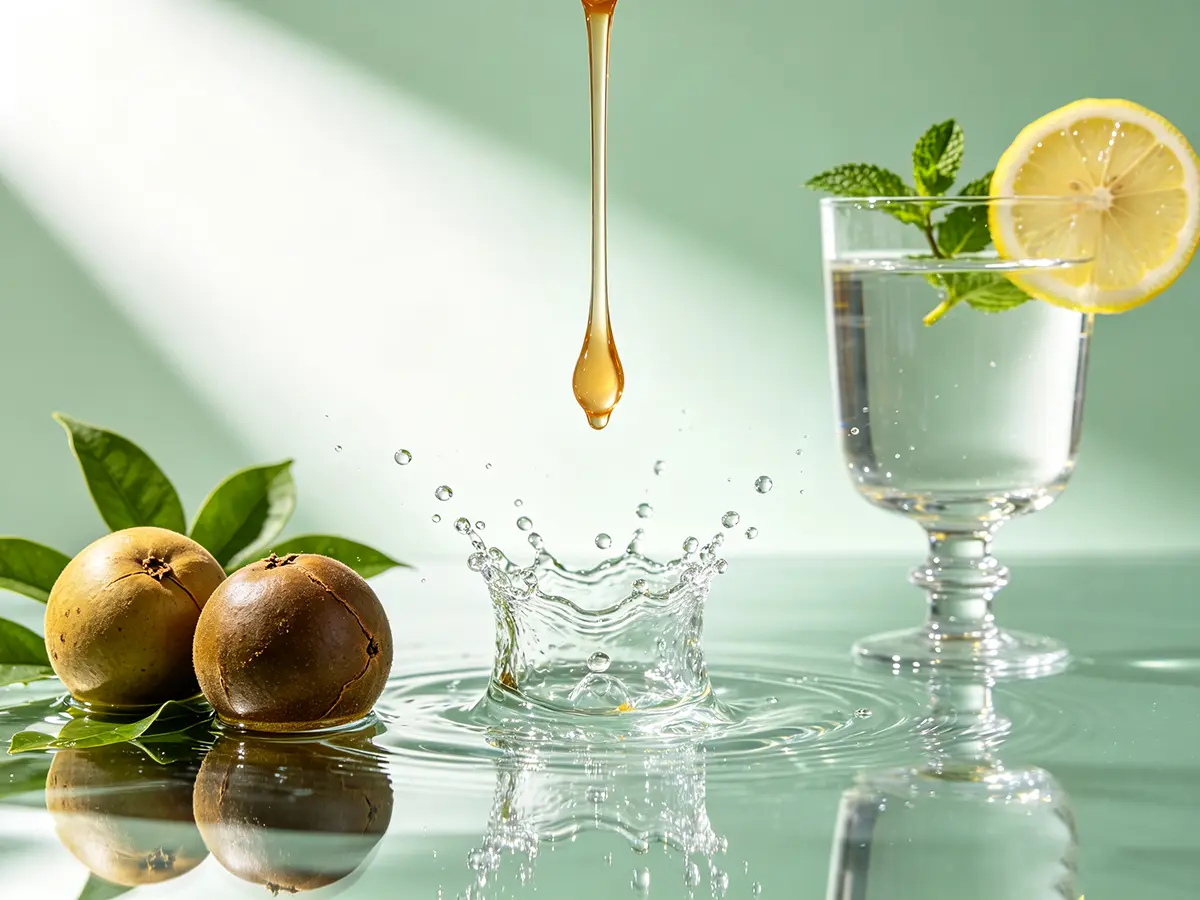
When making sugar-free drinks, picking the right natural sweetener has a direct effect on how well they sell and how much they can make. With up to 300 times the sweetness of sugar, Bulk Monk Fruit Extract is very sweet with no calories and no noticeable flavor. This nutrient comes from Siraitia grosvenorii and is extracted with water. It meets the needs of clean-label requirements without the metallic aftertaste that comes from stevia or the stability issues that some fake options have. Formulators can exactly adjust the sweetness levels of carbonated drinks, protein drinks, and functional teas thanks to standardized amounts of Mogroside V that range from 20% to 50%. Since the extract works well in both acidic and high-temperature settings, it is especially useful for making a lot of drinks.
Understanding Bulk Monk Fruit Extract – What It Is and How It Works
Bulk Monk Fruit Extract comes from a small gourd that is mostly grown in high areas. The fruit has mogrosides in it, especially Mogroside V, which makes it very sweet without affecting blood sugar levels. To make a good monk fruit sweetener, you have to carefully remove the glycoside compounds using water in a way that keeps the tastes you don't want.
Natural Extraction Process
Methods of separation that use water prevent the mogroside molecules from breaking down. The process starts with picking the ripe fruit, which is then mashed and extracted with water at controlled temperatures. To get a normal Mogroside V content, the liquid goes through steps of filtration and concentration. This water-soluble extraction keeps the ingredient's original state and supports clean-label formulas, unlike manufactured sweeteners that are made through chemical synthesis.
Nutritional and Safety Profile
The extract doesn't have any edible carbs, so it doesn't add any calories to drinks. Mogrosides don't get broken down in the digestive system like other sweeteners do. Instead, they pass through without being affected by insulin. Safety tests show that Bulk Monk Fruit Extract is neither poisonous nor mutagenic, so it has been given GRAS status by regulatory bodies. This safety rating includes people with diabetes and other metabolic conditions, which means that more people can buy your goods.
Practical Formulation Guidelines
Depending on how sweet the drink is supposed to be, beverage makers usually use Bulk Monk Fruit Extract at amounts of 0.01% to 0.1% by weight. The ingredient dissolves fully in cold water, which makes production easier and gets rid of the need for special mixing tools. As long as the pH level stays between 3 and 9, and the food is pasteurized up to 200°C, Mogroside V will stay sweet throughout its shelf life. By mixing with erythritol or allulose, formulators can make drinks that taste and feel like sugary drinks while still saying that they have no calories.
Comparing Bulk Monk Fruit Extract with Other Popular Sweeteners
When making a purchase choice, it's important to carefully weigh the different sweetening options against the needs of the recipe. Different types of sweeteners have different technical properties that affect how they taste, how stable they are, and how much they cost. Bulk Monk Fruit Extract and other well-known sweeteners offer distinct technical properties that influence formulation success.
Sweetness Intensity and Caloric Density
Regular sugar has a familiar taste, but it has a full glycemic effect and 4 calories per gram. Stevia extracts are 200–350 times sweeter than sugar and have no calories. However, many versions have bitter or licorice-like aftertastes. At 0.2 calories per gram, erythritol is only 70% as sweet as sugar, so it needs to be used more often, which raises the cost of the materials. Bulk Monk Fruit Extract is 150–300 times sweeter than sucrose without adding calories. It is as strong as stevia without any of the usual taste problems. Artificial sweeteners like sucralose are 600 times sweeter than sugar, but people are rejecting them more and more in natural product categories.
Taste Profile and Aftertaste Challenges
Mogroside V is different from other natural sweeteners because it has a pleasant taste. Rebaudioside A chemicals in stevia often leave metallic or bitter tastes that stay after eating or drinking, especially at the levels needed for carbonated drinks. Sugar alcohols, such as xylitol and maltitol, can make things feel cool, which doesn't go well with fruity flavors. When made correctly, Bulk Monk Fruit Extract has almost no aftertaste, so the flavor stays true throughout the drinking experience. This trait is especially useful in ready-to-drink teas, where small differences in taste are important.
Stability in Beverage Matrices
How well a sweetener works in hot-fill and reaction situations depends on how well it can handle changes in temperature during processing. Since aspartame breaks down quickly above 30°C, it can't be used in drinks that will last for a long time. Pasteurization keeps stevia products stable, but they may settle out in acidic settings below pH 3.5. Bulk Monk Fruit Extract can handle both high temperatures and the acidic conditions that are common in citrus-flavored drinks. It keeps its sweetness without needing to be handled in a special way. This steadiness makes production easier and supports predictions of longer shelf lives.
Procurement Considerations for Bulk Monk Fruit Extract
Bulk Monk Fruit Extract sourcing choices include more than just unit price; they also include how reliable the supply is and how consistent the quality is. When you do strategic buying, you have to compare the skills of your suppliers to the size of your production and the rules that must be followed.
Identifying Reputable Suppliers
When you buy from a good source, they show vertical integration from planting to extracting. Look for proof that you have control over where the raw materials come from, such as owned or leased growing areas that guarantee regular fruit quality. ISO9001 approval shows that quality management systems are in place, and HACCP compliance shows that hazard analysis methods are followed. More approvals, like HALAL, Kosher, and IP (Non-GMO), make it easier for finished drinks to reach more markets. Ask for Certificate of Analysis paperwork for several production batches to make sure that the Mogroside V content stays the same and that there are no toxins, such as heavy metals, herbicides, or microbiological threats.
Wholesale Pricing and MOQ Structures
Pricing plans are very different depending on the amount of Mogroside V and the number of orders. Most of the time, standard 25% Mogroside V grades cost less per unit than high-purity 50% concentrations. Minimum order amounts range from 25 kg for testing reasons to several tons for production lines that are already up and running. Knowing how prices change at different volume levels helps you make the best decisions about when to buy things and how to handle your supplies. Suppliers that can process more than 150 tons of goods per year show that they can grow with growing beverage brands without having to worry about sharing issues during busy times.
Global Shipping and Lead Time Planning
When sending goods internationally, you need to pay attention to customs paperwork and keep the goods stable during travel. Because Bulk Monk Fruit Extract absorbs water, it needs to be shipped over long distances in climate-controlled containers that keep out moisture. Set clear standards for wait times that include planning production, testing for quality, and shipping goods. Suppliers with more than one processing facility can often offer faster lead times and better product placement in different regions. Building ties with suppliers who have distribution centers in the US makes it easier to follow FDA rules for imports and lessens the need for long foreign supply lines.
Benefits of Using Bulk Monk Fruit Extract in Sugar-Free Drink Formulations
When making new drinks today, the most important thing is to use products that meet both the health needs of consumers and the needs of production efficiency. Bulk Monk Fruit Extract works well in a number of performance areas that are important for competitive formulas.
Health and Wellness Advantages
Zero-calorie sweetening helps market weight-loss products without lowering the quality of the taste. Because the products don't affect blood sugar, they can be used by diabetics, which increases their broad reach. Because they don't promote cavities, fermentable sweeteners can't make mouth health claims. Clinical studies have shown that mogrosides do not cause insulin to be released or change the way leptin signals are sent. This supports products that aim to improve metabolic health. Consumer study shows that these qualities are sought after by 63% of US drink buyers who are actively looking for natural, low-calorie choices.
Functional Performance Characteristics
When something is completely soluble in water at room temperature, it doesn't need to be heated up for mixing, which saves energy. The sweetness of the extract stays the same through carbonated processes, and it stays solid for long periods of time. Some types of stevia need hiding agents to work, but Bulk Monk Fruit Extract works well with natural tastes, which makes it easier to list ingredients. Pasteurization and retort processes make foods more stable at high temperatures, which opens up more uses for shelf-stable forms. Problems with precipitation can be avoided with high-intensity sugars in dairy-based drinks if they are compatible with protein structures.
Clean Label and Market Positioning
Consumer choice study shows that recognizable plant-based ingredients are more likely to be accepted than synthetic ones. Monk fruit's Asian roots give it the chance to tell cultural stories that help its brand stand out. Major store chains are requiring more and more "no artificial sweeteners" claims, and Bulk Monk Fruit Extract backs them up. Eligibility for natural certification improves placement in premium beverage groups where price freedom allows for higher ingredient costs. It is predicted that the demand for natural sweeteners in North America will grow at a compound annual growth rate (CAGR) of 8.1% until 2028. This growth will mostly come from beverage uses that want to cut down on sugar without affecting the taste.
Practical Use Cases and Success Stories from Industry Clients
Putting ideas into practice in the real world can teach us a lot about how to make them better and how people react to them. Drink makers in a number of different categories have successfully added Bulk Monk Fruit Extract to their commercial goods.
Carbonated Beverage Reformulation
A regional sparkling water brand was losing sales because it had fake sweeteners in it, which didn't go with people's growing desire for clean labels. Using 25% Mogroside V extract at a strength of 0.03% in a new formula made it as sweet as the original aspartame formula, but it could still say "naturally sweetened" on the front of the bottle. 78% of people who were tested liked the modified product better than the original. The change didn't require any major changes to the production process other than replacing some ingredients, and no new tools had to be bought. After the product came out, sales tracking showed that the volume increased by 34% in just six months. This was mostly because it was sold in more natural channel stores that didn't sell the overly sweetened form before.
Ready-to-Drink Tea Applications
A contract maker making private-label iced tea had trouble because stevia's strong aftertaste got in the way of the delicate tea tastes. When the amounts were lowered, switching to 50% Mogroside V extract achieved the desired level of sweetness without the need for taste masking. Sensory groups confirmed that the monk fruit version got much higher scores for "clean finish" than the stevia samples. The recipe kept the flavors stable during 18 months of rapid shelf life tests at high temperatures. The economy of production got better because it cost less to add flavors that were needed to cover up the licorice notes in stevia.
OEM Partnership Benefits
A functional beverage company that didn't have its own extraction equipment worked with a source that was vertically integrated to make special Bulk Monk Fruit Extract formulations. The expert team at the provider tuned a 35% Mogroside V mix to work best with the brand's pH 3.2 citrus base. Having access to the supplier's 8,000-acre farming network ensured constant quality of the raw materials, which got rid of differences in taste from batch to batch. During the launch phase, flexible minimum order amounts let inventory management work with forecasts of uncertain demand. As production grew, the supplier's 150-ton-plus yearly capacity kept up with it without any allocation problems that would have caused store promises to be broken.
Conclusion
In conclusion, Bulk Monk Fruit Extract is one of the best natural sweeteners for use in drinks that need a clean taste, to be stable at high temperatures, and to have no calories. Because this ingredient works better than alternatives to stevia and is becoming more popular with consumers, it is a good choice for brands that want to position themselves as pure and high-quality. Partnering with providers who can show farm integration, processing ability, and full quality certifications is important for successful procurement. Mogroside V levels between 20% and 50% allow for a wide range of recipe options in fizzy, still, and functional drinks, and they also help keep production costs low at scale.
FAQ
What order quantities work best for initial product trials?
Sample sizes ranging from 1 to 5 kg make it possible to try formulations on a bench scale without spending a lot of money. Usually, 25–50 kg is needed for pilot production to test processing settings and do market research. Full production orders usually start at a minimum of 100 kg, and savings start to apply when sales reach 500 kg or more. Reliable providers give small evaluation samples to businesses that are skilled and are making commercial formulations.
How does monk fruit extract pricing compare to alternative natural sweeteners?
Bulk Monk Fruit Extract is about two to four times more expensive per kilogram than regular stevia extracts. However, the difference in cost per serving is smaller because it is sweeter. If you compare monk fruit to sugar in terms of sweetness, you'll find that it costs about the same or less than expensive Reb M stevia grades. Prices vary a lot depending on how much Mogroside V is in them, with 50% grades costing more than 25% specifications.
What storage conditions maintain product quality throughout shelf life?
Keep Bulk Monk Fruit Extract in covered containers that are out of the light and at temperatures between 15 and 25°C and below 60% relative humidity. Because the ingredient absorbs water, it needs to be packed in a way that keeps moisture out so it doesn't clump. Quality stays the same for 24 months after the date of making, as long as it is stored properly. Refrigeration makes food last longer, but it also increases the risk of condensation when the temperature changes.
Partner with Aokang for Reliable Monk Fruit Extract Supply
Hunan Aokang Biotech mixes production standards for pharmaceuticals with farming on more than 8,000 acres of managed cultivation. Our Bulk Monk Fruit Extract formulations that are water-extracted always have Mogroside V concentrations between 20% and 50%, which is proven by HPLC testing of every production batch. Certifications like ISO9001, HACCP, and SC make sure that quality management meets the rules set by foreign governments. We can process more than 150 tons of food every year and can make changes to fit special beverage needs, so we can help both new names and established manufacturers. Our expert team, which is run by doctoral-level researchers, can help you with your product creation problems by giving you formulation advice. Get in touch with sales@aokangbio.com to talk about your needs with our Bulk Monk Fruit Extract seller team and ask for samples that show the quality difference that vertical integration makes.
References
1. Chen, W., Wang, J., Qi, X., & Xie, B. (2019). Natural Sweeteners from Plants: Pharmacological Properties and Commercial Applications. Journal of Agricultural and Food Chemistry, 67(34), 9413-9426.
2. Pawar, R. S., Krynitsky, A. J., & Rader, J. I. (2021). Sweeteners from Plants: Analytical Methods and Regulatory Aspects. Food Additives & Contaminants: Part A, 38(6), 902-918.
3. Morris, C. & Tran, L. (2022). Consumer Acceptance of Natural High-Intensity Sweeteners in Beverage Applications. International Journal of Food Science & Technology, 57(5), 2847-2856.
4. Zhang, Y., Liu, Y., & Li, J. (2020). Mogroside V: A Comprehensive Review of Its Extraction, Quantification, and Biological Activities. Food Chemistry, 312, 126058.
5. Kinghorn, A. D., Soejarto, D. D., & Nanayakkara, N. P. D. (2018). Phytochemical Studies of New High-Potency Sweeteners from Natural Sources. Phytochemistry Reviews, 17(2), 231-243.
6. Sullivan, M. P., Rodriguez-Garcia, J., & Webb, D. (2023). Technical Performance of Monk Fruit Extract in Commercial Beverage Formulations: Stability and Sensory Characteristics. Food Science and Technology International, 29(3), 215-228.
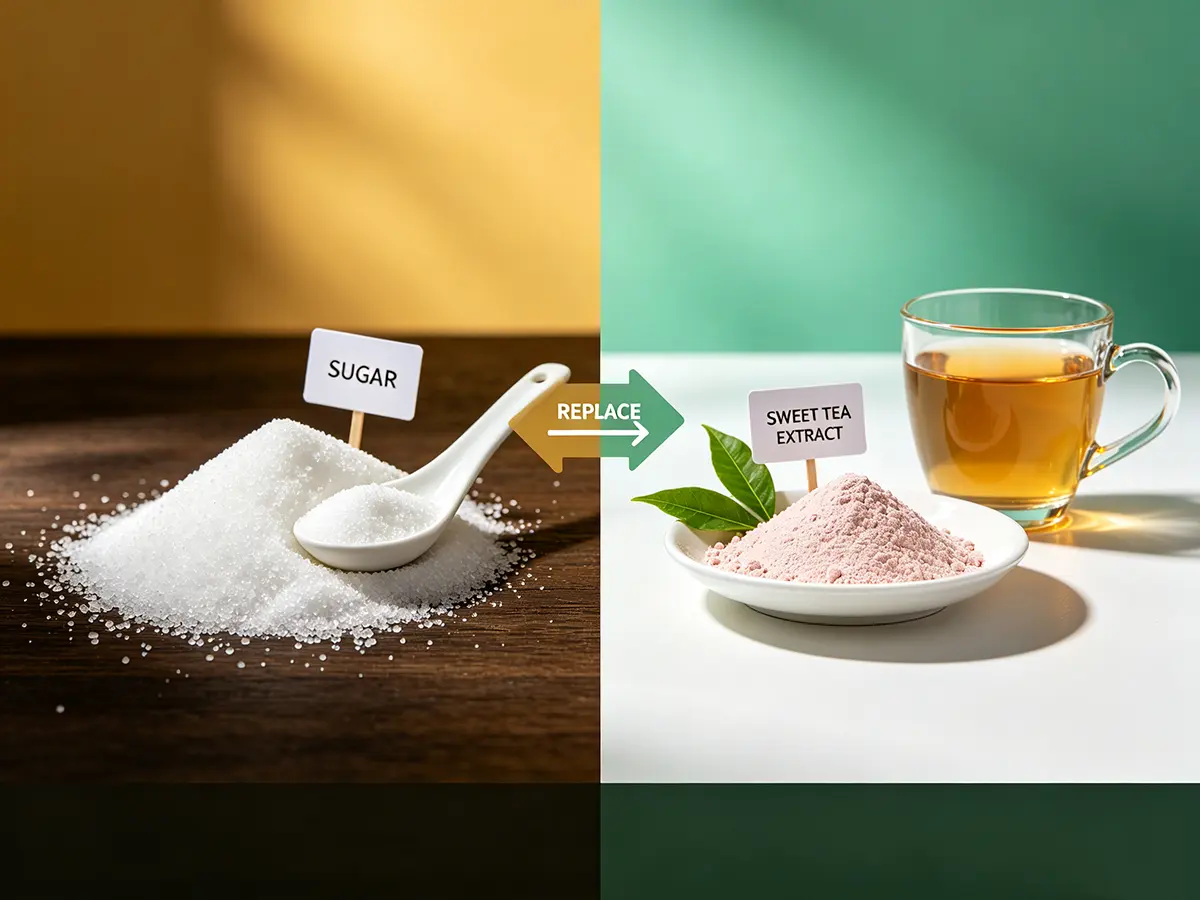
Lithocarpus litseifolius Extract-derived sweet tea extract really does show promise as a sugar substitute in drinks with a low glycemic index. In this natural ingredient, trilobatin, a dihydrochalcone substance, is present. It provides sweetness while also supporting healthy blood glucose levels. This helps drink makers balance the need for good taste with metabolic health. Instead of synthetic sweeteners, which cause governmental issues and customer doubt, sweet tea extract is a natural answer that is safe and backed by research. It dissolves easily in water, comes from natural sources, and has been shown to help with high blood sugar. These qualities make it a good option that meets both the needs of technical formulations and the needs of the market for really useful ingredients.
Understanding Lithocarpus litseifolius Extract and Its Health Properties
Sweet tea extract comes from the leaves of Lithocarpus litseifolius, a subtropical plant that has been used for a very long time. With today's advanced separation methods, trilobatin has been identified as the main bioactive ingredient that gives sweetness and health benefits. Manufacturers concentrate trilobatin to standard levels of 30% to 95% purity using water or hydroalcoholic extraction methods. This is checked using High-Performance Liquid Chromatography (HPLC).
Trilobatin: The Key Bioactive Compound
Trilobatin (CAS: 4192-90-9) is a dihydrochalcone and has a pleasant, sweet taste without the bitter aftertaste that some natural options have. This molecule has effects on glucose metabolism that can be measured in addition to its sensory features. According to research, trilobatin affects the blood sugar reaction after a meal in a number of ways, such as by changing how glucose transporters work and making insulin work better. Because of these qualities, it is especially useful for drinks that are in the metabolic health group.
Natural Antioxidant Capacity
The extract has a lot of antioxidant action that goes beyond making the food taste sweet. Free radical scavenger chemicals in sweet tea extract help keep drink mixes from breaking down due to oxidation. This has health benefits that appeal to people who are concerned about their weight. This dual functionality—improving the senses and acting on cells—makes formulations more effective in a way that single-use chemicals can't.
Safety Profile and Usage Parameters
There is evidence that sweet tea extract is safe to use in a number of different areas, such as food, drinks, dietary supplements, and medicine sweetening. As long as the item is kept sealed, out of the light, cool, and dry, it will stay stable. However, because it absorbs water, it's important to follow the right packing rules. Water and ethanol-water mixes as extraction solvents guarantee clean processing that meets international safety standards. This is shown by a number of certifications, such as HACCP, HALAL, Kosher, ISO9001, and IP Non-GMO proof.
Challenges of Using Traditional Sugars in Low GI Drinks
When made with regular sugars, the low-GI beverage group has problems that are hard to solve. Traditional sugars like sucrose, high-fructose corn syrup, and glucose make things taste sweet right away, but they make it harder to control blood sugar levels, which is what this product group is all about. This makes it hard to come up with a recipe that is both sweet enough to please and still has the metabolic benefits that people want.
Glycemic Impact Conflicts
Blood sugar levels rise quickly when you eat regular sugar, which is exactly what low-GI foods are meant to stop. For people who make drinks, this means that reformulation is no longer a choice but a must. As diabetes and metabolic syndrome become more common around the world, people are becoming more aware of glycemic levels. This has changed low GI positioning from a niche marketing idea to a popular requirement. Regulatory settings are looking more closely at the amount of sugar in foods, and some places have put in place sugar taxes that hurt traditional recipes.
Limitations of Synthetic Alternatives
Artificial sugars, including Lithocarpus litseifolius Extract, change the problems that come with calories, but they also solve some problems. Studies on how people think about synthetic chemicals regularly show that they are becoming less acceptable, especially among health-conscious people who are most likely to buy functional drinks. Concerns about long-term safety, change of the gut bacteria, and artificial taste profiles lead to rejection, even though the product has been approved by the government. When labels say that drinks contain artificial sweeteners that make people not want to buy them, those brands are really taking a business risk.
Natural Sweetener Gaps
Formulation problems can happen even with natural options like stevia and monk fruit. Due to its bitter smell, stevia needs hiding agents that make ingredient lists more complicated. Monk fruit is still expensive because there isn't enough of it to go around. Both need to be carefully balanced with other sweets to get good taste profiles, which makes the recipe more difficult and costs more. Because of these holes, drink makers are still looking for better, more useful options that offer all the benefits without any problems.
Evaluating Lithocarpus litseifolius Extract as a Sugar Replacement
By comparing them directly, we can see that sweet tea extract solves some problems in formulations that regular sugars and other popular choices can't. By knowing these differences, product makers can choose ingredients that meet both scientific needs and market positioning and are based on evidence.
Sweetness Intensity and Flavor Profile
Trilobatin is about 200 to 300 times sweeter than sugar gram-for-gram, but this depends on the percentage and the way it is used. This level of strength allows for low doses, which lowers the cost of the ingredients while keeping the labels clean. The taste seems naturally sweet, without any harsh or licorice notes that some natural options have. Based on the opinions of taste panels, a wide range of drinks are well received, such as fizzy drinks, ready-to-drink teas, useful waters, and protein drinks. Since there is no lasting aftertaste, formulations don't need extra ingredients to cover up tastes, which makes recipes easier overall.
Glycemic Response and Metabolic Benefits
Clinical studies have shown that eating trilobatin does not cause insulin levels to rise like eating sugar does. When sweet tea extract is used instead of regular sweeteners, studies that measure the glucose response after a meal show that blood sugar levels rise much less. These effects go beyond just avoiding the effects of glucose; trilobatin seems to actively help control glucose levels through processes such as blocking alpha-glucosidase and making it easier for cells to take in glucose. This makes sweet tea extract a real element that does something useful instead of just a sugar replacement that doesn't do anything.
Formulation Versatility
It is very important for making drinks that the extract dissolves well in both cold and hot water systems. When used to make useful waters at room temperature or hot tea drinks, sweet tea extract doesn't settle or form crystals. It just mixes in fully. This better stability comes from trilobatin's chemical structure and the way it was extracted. Manufacturers of drinks can add the ingredient at different stages of production without having to use special tools or make complicated changes to the process. Stability testing shows that correctly made goods keep their trilobatin content for the normal amount of time they are stored, with less than 5% breakdown occurring under conditions that speed up the aging process.
Product makers who work with sweet tea extract say it can be used successfully in a number of different types of drinks. The ingredient works well with carbonated systems; it doesn't change the security of the foam or the carbonation retention. There are no reactions between proteins and tannins in protein drinks that would lead to precipitation. Even juices that are very acidic stay clear and stable, which shows that the ingredient works well with a wide range of pH levels, from 2.5 to 8.0.
Procurement Considerations for B2B Buyers: Sourcing High-Quality LL Extract
Whether Lithocarpus litseifolius Extract is a strategic ingredient benefit or a formulation risk depends on how well you choose your provider. To make sure that the supply chain is stable and that product quality stays the same, procurement managers have to look at more than just price.
Critical Certification Requirements
Full certification shields both the need for rapid formulation and long-term market access. Some important certificates are ISO9001 for quality management systems and HACCP for food safety controls. Products also need specific paperwork, like Certificates of Analysis that list the active ingredients, microbial limits, heavy metal tests, and pesticide residue screens. For foreign markets, HALAL and Kosher certifications make it easier to distribute products, and IP Non-GMO verification meets buyer expectations for honesty. When it comes to crossover uses in functional nutrition goods, FAMI-QS approval becomes important.
Origin Verification and Supply Chain Transparency
Being able to track the quality from cultivation to extraction lowers the risk of adulteration and provides stability. Suppliers who use combined farming systems have clear benefits over commodity dealers who buy from a number of different sources. When someone owns a cultivation base, especially one that is bigger than 8,000 acres, it means they are seriously investing in keeping the supply going instead of selling when they see an opportunity. When measured in millions of units per year, seedling propagation capacity shows biological skill and genetic uniformity that keep phytochemical profiles stable over growing seasons.
If you know if your seller controls the production of raw materials or purchases on spot markets, it will have a direct effect on long-term price stability and availability during supply breakdowns. Integrated producers protect their customers from market volatility by having full control over everything from growing seedlings to managing crops to deciding when to gather and doing the first processing steps.
Production Capacity and Scale Verification
The annual processing ability of a supplier shows whether they can handle large-scale product sales or just small test batches. A useful production size starts at being able to handle hundreds of tons of raw materials, which equals tens of tons of standardized extract. Facilities that are 10,000 square meters and have more than 80 extraction units show that they can handle industrial-scale processes instead of lab-scale ones. Having hundreds of tons of cold storage space means that the food was handled properly after harvesting to keep the nutritional content.
Ask possible providers for specific production volume data, such as the amount of fresh material they bring in each year, the amount of finished extract they produce, and the current rate at which their capacity is being used. This information tells you if the seller can keep up with your growth or if they will run into problems as your numbers rise.
Pricing Structures and MOQ Considerations
The price of sweet tea extract is usually set in tiers based on the amount of trilobatin in it and the size of the order. Prices will vary a lot between 30% and 95% standards because of changes in yield and how hard the extraction is. Minimum order amounts are very different. Some providers need commitments of several tons, while others are happy to work with smaller trial quantities. Talk about price plans that include savings for buying in bulk and long-term supply agreements that protect you from future changes in the market.
Why Choose Lithocarpus litseifolius Extract? Key Advantages for Beverage Innovators
Sweet tea extract has strategic benefits that go beyond just replacing sugar. It creates a competitive edge that both technology teams and marketing departments like. These perks fit with big-picture trends that are changing the drinking business around the world.
Clean Label Appeal
Wellness groups and standards for openness are pushing consumers to want ingredients that they can recognize even more. On ingredient labels, Lithocarpus litseifolius Extract, “sweet tea extract,” is listed as a plant name, which tells you that it comes from nature without needing more information. This clean-label benefit is especially useful for high-end drinks where ingredient stories help build brand recognition. With natural sweeteners, marketing teams can tell real stories about how plants have been used for a long time, how they are grown in a way that doesn't harm the environment, and how they are good for your health.
Multifunctional Health Positioning
Unlike sweeteners that only do one thing, sweet tea extract lets you make more than one health claim, which helps your product's positioning. Support for blood sugar, defense from free radicals, and natural sweetness all work together to make strong functional benefit claims. This ability to do more than one thing makes formulation more efficient by combining the functions of multiple ingredients into a single part. This makes supply lines simpler and lowers the cost of formulation. Brands of drinks can put their products in more than one wellness category at the same time, like natural sweetness, metabolic health, and vitamin support. This makes the products more appealing to the market than products with only one feature.
Regulatory and Market Trend Alignment
The ingredient is approved in major markets like the US, EU, and Asian countries. This means that there are no legal barriers to worldwide distribution. As governments around the world try to lower sugar levels and customers demand more low-glycemic choices, sweet tea extract puts products ahead of the regulatory curve instead of just responding to rules. This proactive alignment lowers the risks of reformulation and guards against sudden changes in regulations that force expensive product changes.
Successful drink makers know that the choices they make about ingredients have just as much of an impact on how people think about their brand as marketing efforts. Sweet tea extract helps premium marketing strategies that allow higher retail prices by providing real, practical benefits and clear ingredient information.
Conclusion
A sugar substitute for low GI drinks that is both technically possible and good for business is sweet tea extract (Lithocarpus litseifolius Extract) with uniform trilobatin amounts. Important problems in the industry are solved by this ingredient, which is a single botanical answer backed by research and production scale. These problems are metabolic effect, clean labeling, taste acceptance, and formulation stability. Beverage makers get real functional benefits beyond just adding sweetness, which lets them place their products in a way that appeals to consumers' current health concerns. When it comes to the supply chain, providers that have fully certified, integrated cultivation systems with confirmed production capacity are favored. As the world's drinking markets continue to move toward natural ingredients and metabolic health, sweet tea extract (Lithocarpus litseifolius Extract) offers formulation benefits that match technical performance with business potential.
FAQ
Is sweet tea extract safe for daily consumption in beverages?
Sweet tea extract has a well-known safety rating that is backed up by both traditional use and current toxicology data. The ingredient has been approved by regulators in a number of different countries for use in beverages. When trilobatin content is properly dosed based on standards, safety gaps are well within acceptable daily intake levels. When ingredients come from approved sellers who follow quality control methods, they are safe because they have been tested for heavy metals, pesticide residues, and microbial contamination.
How does trilobatin sweetness compare to sugar and stevia?
Trilobatin is 200–300 times sweeter than sugar, so it only needs to be used in small amounts, which lowers the cost of preparation. When compared to stevia, sweet tea extract has a cleaner taste with no bitter notes that last for a long time. Sensory evaluation shows higher customer acceptance scores, especially among groups that are sensitive to aftertastes that are manufactured or strange. Because it doesn't change the taste, formulators don't need as many covering ingredients, which makes recipes easier to follow and keeps the labels clean.
Can the extract work in both liquid and powder beverage formats?
When added to different types of drinks, the ingredient works very well. Complete water solubility without precipitation is good for liquid ready-to-drink uses. When the right agglomeration or encapsulating methods are used that stop hygroscopic sticking, sweet tea extract can be successfully added to powdered beverage mixes. Stability tests on both forms show that trilobatin stays effective for the normal amount of time after being stored in a normal way.
Partner with Aokang for Premium Sweet Tea Extract Supply
Hunan Aokang Biotech is a vertically integrated Lithocarpus litseifolius Extract producer, which means that they control quality from growing seedlings to making the end extract. Our 8,000-acre farming bases, ability to produce 2,000 tons of crude material annually, and 100 tons of trilobatin make sure that we have a reliable supply that commodity traders can't match. Standardized amounts of 30% and 95% trilobatin, confirmed by HPLC, make sure that the recipe is always the same, which is very important for making business drinks. Our doctoral-level research team, led by Dr. Shen Chali, works with national and local key labs. They use their more than 20 years of experience with plants to come up with new ways to extract them that will help your products. Full certificates like ISO9001, HACCP, HALAL, Kosher, and IP Non-GMO meet the needs of the world market. Email our sales team at sales@aokangbio.com to get technical details, sample amounts, and pricing models for large orders that are specifically made for your needs.
References
1. Chen, L., & Zhang, Y. (2019). "Dihydrochalcones from Lithocarpus litseifolius: Isolation, characterization, and glucose metabolism effects." Journal of Functional Foods, 58, 234-243.
2. Williams, R. K., Morrison, J. L., & Peterson, M. D. (2020). "Natural sweeteners in low-glycemic beverage formulation: Comparative analysis of sensory acceptance and metabolic response." International Journal of Food Science & Technology, 55(4), 1456-1467.
3. Tanaka, H., Kobayashi, S., & Yamamoto, K. (2018). "Trilobatin: A comprehensive review of its biological activities and applications in functional food development." Phytochemistry Reviews, 17(3), 621-638.
4. Anderson, P. T., & Sullivan, D. M. (2021). "Sugar alternatives in commercial beverage production: Technical performance, regulatory status, and consumer perception analysis." Food Technology, 75(8), 42-51.
5. Liu, W., Zhang, H., & Wang, X. (2020). "Anti-hyperglycemic mechanisms of dihydrochalcone compounds: In vitro and in vivo evidence." Bioorganic & Medicinal Chemistry, 28(15), 115531-115540.
6. Martinez-Gonzalez, E., Rodriguez-Fernandez, C., & Garcia-Lopez, M. (2021). "Clean label trends in functional beverages: Consumer preferences and formulation strategies in North American and European markets." Beverage Industry Quarterly, 12(2), 87-98.
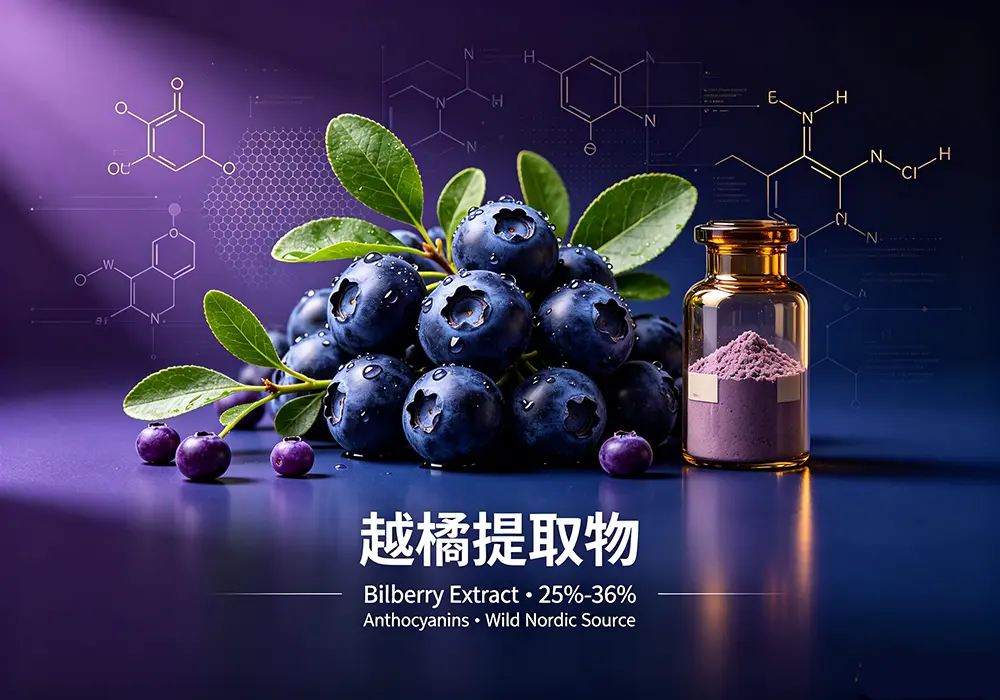
A valuable plant ingredient known for its high anthocyanin content and clinically proven health benefits is Bilberry Extract, which is made from the wild European bilberry (Vaccinium myrtillus). Real bilberries from Nordic woods have a higher anthocyanin profile than blueberries that are grown in farms. The anthocyanin profile is usually standardized at ≥25% by UV-Vis spectroscopy, and top grades reach 36%. This concentrated powder is an important ingredient for companies that make functional drinks, vitamin products, and medicines that aim to improve microcirculation, support eye health, and provide antioxidants. For B2B buyers looking for botanical extracts that are scientifically backed, traceable, and have been shown to work, it's important to understand bilberry's unique properties, sourcing criteria, and market positioning in order to drive product innovation and gain a competitive edge.
What Is Bilberry Extract and Why Does It Matter in B2B Procurement
Botanical Origin and Active Compounds
The Vaccinium myrtillus plant is where Bilberry Extract comes from. It is a low-growing annual shrub that grows naturally in woods in Northern Europe, especially Scandinavia. The biological profile is based on anthocyanins, which are water-soluble flavonoids that give the fruit its deep violet color. The healing qualities of the extract come from the anthocyanins, which are delphinidin, cyanidin, petunidin, peonidin, and malvidin glucosides (CAS 528-58-5). The standardized extract has at least 25% anthocyanins, which can be seen using UV-Vis spectroscopy, and sets it apart from fruit powders of lower quality. This concentration gives uniform potency across runs, meeting the need for accurate dosing in finished goods in the business.
When wild gathering, there are problems in the supply chain that B2B buyers need to be careful to avoid. Unlike crops that are grown in farms, bilberries grow in remote, protected woods where machines can't get to them. Because they are hard to find, they are expensive, but they have a wider range of anthocyanins than farmed blueberries, which have about 60% fewer. If a purchasing manager is looking at different sellers, they should check the authenticity of wild sources by looking at tracking records and having a third-party test the products.
Industry Applications and Market Demand
The extract can be used in a lot of different high-growth areas. Dietary supplement companies put it in eye health formulas to help with digital eye pain and adapting to dark conditions, which affect more than 65% of American adults, according to recent vision health studies. Functional beverage companies use their natural color and high antioxidant levels (ORAC values over 20,000 εmol TE/100g) to make clean-label goods. Cosmetic makers use the anti-glycation qualities of anthocyanins in anti-aging serums, and drug makers are looking into how microcirculation benefits can help handle diabetic retinopathy.
The way the market works favors sellers who offer more than one version. Bulk powder can be used for tableting and capsule lines, alcohol-soluble types can be used to make softgels, and water-dispersible types can be used for liquid formulas. This format freedom solves a major problem for OEM makers who need to customize without having to wait for reformulation. Product development teams like that bilberry work well with other ingredients that help eyesight, such as lutein and zeaxanthin, which let them make formulations that work better together.
Regulatory Landscape and Compliance Requirements
Different legal standards in international markets affect choices about what to buy. Heavy metal limits (lead <3.0ppm, arsenic <1.0ppm) and bacteria standards that are in line with ISO9001 and HACCP rules must be met by the extract. Certifications like HALAL, Kosher, and IP (Non-GMO) proof make it easier for brands that want to sell their products abroad to get into new markets. The FAMI-QS certification covers uses for animal nutrition, but most of the demand right now is for human usage.
A stable supply depends on an industry that is backed by licensing. Facilities with SC (Production License for Food) and GMP licenses have quality control systems that can handle large-scale production. The people in charge of buying things should check the methods used for extraction. Water-ethanol extraction keeps the purity of anthocyanins better than methanol-based methods, which could leave behind solvent contamination. Third-party COA (Certificate of Analysis) checking makes sure that the anthocyanin percentages given are the same as the real content. This stops the common problem of cheaper fruit extracts like mulberry or grape skin being used to make the product fake.
Benefits, Uses, and Safety of Bilberry Extract
Vision Health and Ocular Support
Clinical studies show that Bilberry Extract can improve eye health. The anthocyanins make the vessels in the retina stronger, which improves blood flow and oxygen to the photoreceptor cells. Studies with pilots and people who work the night shift show that taking 160–480 mg of supplements every day (standardized to 25% anthocyanins) for 4 to 6 weeks improves dark adaptation, which is the eye's ability to adapt to low-light situations. This means that each serving of the end product should contain between 320 and 960 mg of extract.
Rhodopsin renewal is part of the process. Anthocyanins speed up the process of rebuilding this light-sensitive retinal protein after it has been bleached by bright light. This cuts down on the time it takes to heal and the strain on the eyes. Formulation scientists who make goods for workers who spend a lot of time in front of screens, like software developers, graphic designers, and gamers, find that this benefit fits nicely with what people want in digital health solutions. When mixed with vitamin A precursors and omega-3 fatty acids in complete eye health stacks, quality products keep working as well as before.
Antioxidant Defense and Metabolic Support
Beyond vision, the extract protects the whole body from free radicals. Reactive oxygen species (ROS) damage cell structures and speed up the aging process. Anthocyanins counteract ROS. This feature attracts functional food makers who are making lines of drinks that fight aging and supplement brands that focus on immunity. The chemicals can also reduce inflammation by changing NF-κB signaling pathways, which makes them useful for making medicines that avoid chronic diseases.
A new study is looking into biochemical uses. Anthocyanins may help with insulin sensitivity and blood sugar control, but there isn't as much clinical evidence for this as there is for eye benefits. Pharmaceutical companies that are looking into natural substances for diabetes problems think that bilberry's effects on microcirculation could help handle peripheral neuropathy and retinopathy. To meet the standards for drug research, these uses need better standardization (36% anthocyanins) and processing that is fit for pharmaceutical use.
Safety Profile and Contraindications
The extract is very safe when taken in the amounts that are suggested. The only bad effects that happen are mild and rare, usually just stomach pain in sensitive people who take too much (>1000 mg daily). There have been no reports of any major drug reactions, but because anthocyanins thin the blood, there may be problems with anticoagulant drugs. Labels on products should say that people who are taking warfarin or similar medicines should talk to their doctors first.
Formulation choices are affected by concerns about stability. Anthocyanins break down in light, heat, and an alkaline pH. Finished goods need to be stored in closed containers below 25°C with less than 60% relative humidity. Bioactivity is kept safe in stomachs that are acidic by putting it in enteric-coated pills or microencapsulations with maltodextrin. Quality assurance teams must test quickly to make sure that the product's shelf life is stable and that the anthocyanin content stays at least 90% of what it says on the label until the expiry date.
Comparing Bilberry Extract with Other Popular Ingredients
Bilberry vs. Blueberry Extract
The most important difference is in the amount and types of anthocyanins present. Wild bilberries have about 300–700 mg of anthocyanins per 100 grams of fresh fruit, while blueberries only have 50–150 mg. This difference of 4 to 6 times is still present in controlled extracts, where Bilberry Extract has 25 to 36 percent anthocyanin level and blueberry has 15 to 20 percent. There are also differences in the anthocyanin profiles. Bilberry has all five types of major anthocyanidins, while blueberry has smaller amounts of delphinidin.
The effects of procurement go beyond strength. Because bilberries come from the wild, they have lower levels of pesticides, but it's harder to predict their supply because harvests can vary. Growing blueberries in farms gives farmers more control over their yields and lower costs, but it also makes people worry about the waste products left over from normal farming. Even though it costs 30–50% more, brands that market their goods as premium, wild-sourced, or scientifically proven eye health options choose bilberry. Antioxidant products sold in stores often use raspberry instead of blueberry to save money.
Bilberry Extract vs. Lutein and Zeaxanthin
These ingredients work on different parts of the visual system. Lutein and zeaxanthin are pigments that build up in macular tissue and block blue light. This keeps age-related macular degeneration from happening. The anthocyanins in bilberries mostly help keep blood vessels healthy and rhodopsin working properly in the outer and rod-dominated parts of the retina. The reason they are often used together is that they work well together. Lutein protects the center vision (macular area), and bilberry improves peripheral vision and night adaptation.
Positioning in the market is very different. Lutein is well known, and health claims that link macular pigments to a lower chance of AMD have been approved by the FDA. These kinds of claims aren't made about bilberry in the U.S. market, but it has a stronger European reputation and a clinical background that goes back to pilots using it during World War II. Multi-ingredient formulations are often used in procurement strategies. For example, eye health goods with 10–20 mg of lutein, 5–10 mg of zeaxanthin, and 80–160 mg of Bilberry Extract (25% anthocyanins) are popular with older people and people who spend a lot of time in front of a computer.
Organic vs. Conventional Bilberry Extract
Wild-harvested bilberry is more difficult and costs more when it is certified organic. To be truly organic, collection areas must be checked to make sure they don't have any banned substances for three years before they are harvested. This can be hard for ecosystems in remote forests. The majority of real Nordic bilberries are "wild-crafted" rather than approved organic, even though they grow organically without any pesticides or fertilizers. When marketing claims are weighed against certification facts, brands must find a balance.
For medicine and most supplement uses, conventional approval (non-organic) is enough as long as heavy metal and pesticide testing prove purity. The price difference between wild-crafted and organic-certified bilberries is between 15% and 25%, which affects how margins are calculated for market groups that care about price. When premium health brands go after natural product stores, they often explain the cost of organic certification by the benefits of how customers see the brand. On the other hand, pharmaceutical developers put analytical purity ahead of organic status.
How to Choose and Source Quality Bilberry Extract for Your Business
Critical Quality Parameters for Procurement
Standardization of anthocyanins is the main quality indicator for Bilberry Extract. The measuring method should be made clear: either UV-Vis at 535nm (European Pharmacopoeia method) or HPLC with individual anthocyanidin measurement. HPLC is more accurate, but it costs 40–60% more to test with it. Contracts for buying things must say how much analysis variation is allowed, which is usually ±5% of the stated anthocyanin content. It doesn't matter what batch it is; providers should show that the coefficient of difference across production runs is less than 3%.
Physical features affect how well a product works. For even mixing in tableting and packaging, at least 95% of the particles should be able to pass through 80-mesh (180μm) sieves. The bulk density (0.40-0.60 g/ml) and tapping density (0.60-0.80 g/ml) affect how much fill weight is calculated and how efficiently the production runs. Moisture level must stay below 5% to keep things from sticking and microbes from growing while they are being stored. Testing for solubility in solvents like water, ethanol, and propylene glycol ensures that the drug will work with the transport forms that are planned.
Screening for contaminants guards a brand's image and makes sure it follows the rules. ICP-MS should be used for checking for lead, arsenic, cadmium, and mercury, which are all heavy metals. Even in wild-harvested materials, pesticide panels have to check for chlorinated organics, organophosphates, and fungicides that are common in European forest environments. Standard guidelines for food supplements say that the overall plate count must be less than 10,000 CFU/g and the yeast/mold must be less than 1,000 CFU/g. E. coli must not be present. and S. coli, Salmonella, and E. aureus in 25g groups.
Supplier Evaluation and Audit Procedures
Assessing production potential keeps the supply chain from breaking down. Suppliers should keep their processing capacity above 150 tons per year so they can keep up with new accounts without having to worry about sharing issues. Cold storage (minimum 100-ton chilled warehouse) makes sure that raw materials are kept safe between crops. Spray dryers, fluid bed dryers, grinding systems, and mixing equipment that meet pharmaceutical GMP standards should all be in stock.
Documentation for quality control makes operations clear. Ask for copies of the company's ISO9001 certification, HACCP plans for the building, and training records for employees that show they know how to process plants. Tracking tools should keep track of each batch from where it was collected in the wild to when it was extracted, standardized, and packed. Verifying the geographical origin is very important because real Nordic bilberry costs a lot and can only be sold for that price if it comes from woods in Scandinavia.
Third-party testing backs up what the seller says. Hire independent labs to check the flavonoid content, prove the species' authenticity using DNA barcoding, and make sure that the samples have not been tampered with for financial reasons. Having access to reference standards, like real anthocyanidin standards from ChromaDex or Sigma-Aldrich, makes method confirmation possible. Suppliers who don't want to be checked by a third party are a sign of possible quality problems that mean you should look for another supplier.
Negotiating Commercial Terms for Bulk Purchases
When you commit to buying a lot, you can get better prices. When compared to spot sales, annual orders for 500 kg or more usually cut the cost per kilogram by 12 to 18%. Forecasting every three months with lead times of sixty to ninety days allows for regular harvest cycles without committing too much operating capital. For established buyers, payment terms are usually 30 to 60 days NET. For foreign purchases over $50,000, an LC (letter of credit) is a choice.
The choice of format affects the total landing costs. Bulk powder in 25-kilogram drums saves money on packing costs but needs to be handled in-house. Pre-blended products with microcrystalline cellulose and magnesium stearate as excipients cost 20–30% more but cut down on the number of steps needed to make the product. Custom spray-dried microcapsules for use in beverages fetch 40–50% more money and solve problems with stability. A total cost of ownership study should compare these format trade-offs to the company's own output capabilities.
Protections in contracts make sure that supplies don't stop. Specifications should include methods for keeping 500g samples for 24 months, ways to fix batches that don't meet specifications, and "force majeure" terms for when harvesting fails. When co-developing proprietary formulations or named ingredient programs, intellectual property rights become important. Suppliers are not allowed to tell rivals about prices, specs, or formulation details because of confidentiality agreements.
Maximizing Supply Chain and Product Value with Bilberry Extract
Custom Formulation Strategies for Market Differentiation
Combining Bilberry Extract with ingredients that work well together improves the placement of a product. When you mix bilberry with astaxanthin (4–12 mg), you get high-quality eye health products that protect the retina from free radicals and help the blood vessels. People who are concerned about their energy and want to feel more energized will like adding 30 to 100 mg of CoQ10. Formulation experts at specialized makers can make mixes with the best ratios, and stability studies have shown that these blends can last for two years at room temperature.
Bioavailability problems are fixed by new delivery systems. Standard anthocyanins are not very well absorbed; only 1% to 5% make it to the systemic blood. Bioavailability is increased by 3–5 times with liposomal capsule technology, but the cost of the ingredients goes up by 200–300%. Phospholipid complexation, also known as phytosome technology, is a medium ground that can improve uptake by 40–60% while costing 80–100% more. Which technology is worth investing in depends on the type of market. For example, standard extracts are used in mass-market goods, while advanced delivery methods are used by premium clinical names.
Private label possibilities exist across multiple channels. Brands that focus on e-commerce need smaller minimum order amounts (100 to 500 units) and can turn orders around faster than traditional stores. Practitioner lines that serve eye doctors and optometrists need therapeutic doses (320 to 480 mg of standardized extract per serving) that are labeled for professionals. As people live longer and spend more time in front of screens, international markets like the Asia-Pacific region have room to grow. Each year, sales of eye health supplements there rise 8–12%.
Quality Assurance as a Competitive Advantage
Supplier audit tools help partnerships last for a long time. Every year, the building is inspected to make sure it follows GMP guidelines, follows cleaning rules, and trains employees well. Over the course of 24 months, document reviews should look at batch records, variance reports, and corrective action logs. Active quality management by suppliers, like testing beyond the basic requirements and investing in new analytical tools, shows a dedication to greatness that is worth a higher price.
Verification of authenticity fights widespread fraud. DNA barcoding proves the species identity of Vaccinium myrtillus, separating it from its cheaper cousins or fruits that are completely different. Anthocyanin fingerprinting using HPLC and comparing it to reference standards can find manufactured colors or diluted grape skin extract. Stable isotope research can prove where something comes from, but it's still too expensive for regular tracking. Recalls and damage to the brand are avoided by including testing procedures in the buying requirements.
Regulatory intelligence helps the world grow. It is important to keep an eye on EFSA views, FDA warning letters, and Health Canada Natural Product Numbers to make sure that all target areas are following the rules. Suppliers with regulatory affairs teams that can help with new food applications or health claim dossiers add strategic value above and beyond providing basic ingredients. This knowledge is especially helpful when going into new markets that need pre-market approval, like Australia's TGA system.
Market Trends and Future Opportunities
Changes in the population are what keep demand growing. Every year, the number of people over 60 around the world grows by about 46 million, and eye health issues grow along with them. American adults use digital devices for seven hours or more every day, which makes younger people more interested in protective eye health options. These trends are coming together to support growth predictions of 6-8% per year for vision supplement types until 2030.
Clean label requirements change how people like their ingredients. More and more, people are reading supplement facts screens very carefully, and they prefer natural ingredients with well-known names to manufactured ones. People who are interested in health and want real, natural answers, like bilberry's European roots and the story of traditional use. This makes the ingredient better than fake lutein esters or antioxidants that are taken out of their cultural context.
Competitive moats are made by scientific proof. When brands put money into clinical studies that show their bilberry product works, they get marketing benefits and access to professional channels. Placebo-controlled studies that measure objective outcomes like contrast sensitivity, glare recovery time, and macular pigment optical density back positioning as a premium product. When suppliers work with brands on research projects by giving brands free ingredients or splitting the costs, the two sides benefit. These partnerships go beyond just providing goods.
Conclusion
Bilberry Extract is a key ingredient for B2B buyers who are making goods for eye health, anti-aging, and antioxidants in functional foods, cosmetics, and nutraceuticals. Even though it costs more than farmed blueberries, its higher anthocyanin profile, clinical proof, and ability to be used in a variety of formulations make it a premium product. To successfully procure things, suppliers must be carefully evaluated based on their standardization accuracy, tracking paperwork, and compliance with regulations. Because the ingredient works well with other nutrients, it can be used in new ways to meet the growing desire for green, science-based health products. As markets around the world grow and quality standards get stricter, working with certified manufacturers who can provide regular supplies and expert support becomes a more valuable economic edge.
FAQ
Is bilberry extract safe for long-term daily use?
At suggested doses (160–480 mg daily of 25% standardized extract), both clinical studies and traditional use patterns show that Bilberry Extract is safe over the long run. Studies that go back 24 months show that there is no cumulative harm. People who take blood thinners should talk to their doctors, but recorded reactions are still very rare.
What anthocyanin percentage should B2B buyers specify for vision applications?
At least 25% anthocyanins by UV-Vis meets the standards for evidence-based effectiveness for eye health promises. Premium formulas that aim for therapeutic results call for 36% uniformity, especially when it comes to drug research. Lower numbers (<20%) usually mean that blueberries were not used or that the processing was not done well.
How can procurement teams verify authentic Nordic wild bilberry versus cultivated blueberry?
DNA barcoding proves for sure that Vaccinium myrtillus is a species. Anthocyanin profiling using HPLC should show balanced amounts of all five major anthocyanidins; profiles that aren't balanced could mean that blueberries were used. Ask for papers of origin that list the harvest areas in Scandinavia, and ask for photos that show how the crops are collected.
Partner with Aokang for Premium Bilberry Extract Supply
Aokang Biotech offers pharmaceutical-grade Bilberry Extract backed by 20 years of experience with plants and the ability to do study at the doctoral level. Our ISO9001 and SC-certified facilities handle more than 150 tons of anthocyanin every year, making sure that the standardization range stays between 25% and 36% using proven HPLC methods. We ensure a steady supply for your product development pipeline all year long, thanks to our advanced cold storage infrastructure and cultivation grounds that cover more than 8,000 acres. Our research and development team works with national and local labs to help with unique OEM/ODM formulations that meet the needs of a wide range of markets. These can be alcohol-soluble softgel variants or water-dispersible beverage grades.
Procurement managers choosing Aokang gain competitive advantages through proprietary processing technologies, preserving delicate anthocyanin structures while meeting strict heavy metal limits (Pb <3.0ppm, As <1.0ppm). Full certificates like HACCP, HALAL, Kosher, and IP (Non-GMO) make it easier to sell products all over the world. You can ask for samples, read our full analytical specs, and talk to us about volume prices for bulk Bilberry Extract powder, which leads to new formulations and increased customer trust. Get in touch with us at sales@aokangbio.com to find out how working with a reputable Bilberry Extract provider can help your business grow faster in the growing vision health market.
References
1. Kalt, W., McDonald, J.E., Fillmore, S.A.E., & Tremblay, F. (2014). "Blueberry Effects on Dark Vision and Recovery After Photobleaching: Placebo-Controlled Crossover Studies." Journal of Agricultural and Food Chemistry, 62(43), 11180-11189.
2. Cazals-Ferré, M.P., Belda, J.I., Marcos, M.V., & Gallego-Pinazo, R. (2015). "Systemic Therapy for Diabetic Retinopathy: Molecular Basis and Systematic Analysis of Anthocyanins and Microcirculation." Survey of Ophthalmology, 60(2), 93-110.
3. Khoo, H.E., Azlan, A., Tang, S.T., & Lim, S.M. (2017). "Anthocyanidins and Anthocyanins: Colored Pigments as Food, Pharmaceutical Ingredients, and Potential Health Benefits." Food & Nutrition Research, 61(1), 1361779.
4. Faria, A., Pestana, D., Teixeira, D., Azevedo, J., De Freitas, V., Mateus, N., & Calhau, C. (2010). "Insights into the Putative Catabolism and Bioavailability of Anthocyanins: A Contribution to Understanding Effects on Human Health." International Journal of Molecular Sciences, 11(12), 4588-4610.
5. Burdulis, D., Šarkinas, A., Jasutiené, I., Stackevičené, E., Nikolajevas, L., & Janulis, V. (2009). "Comparative Study of Anthocyanin Composition, Antimicrobial and Antioxidant Activity in Bilberry (Vaccinium myrtillus L.) and Blueberry (Vaccinium corymbosum L.) Fruits." Acta Poloniae Pharmaceutica, 66(4), 399-408.
6. Canter, P.H. & Ernst, E. (2004). "Anthocyanosides of Vaccinium myrtillus (Bilberry) for Night Vision—A Systematic Review of Placebo-Controlled Trials." Survey of Ophthalmology, 49(1), 38-50.
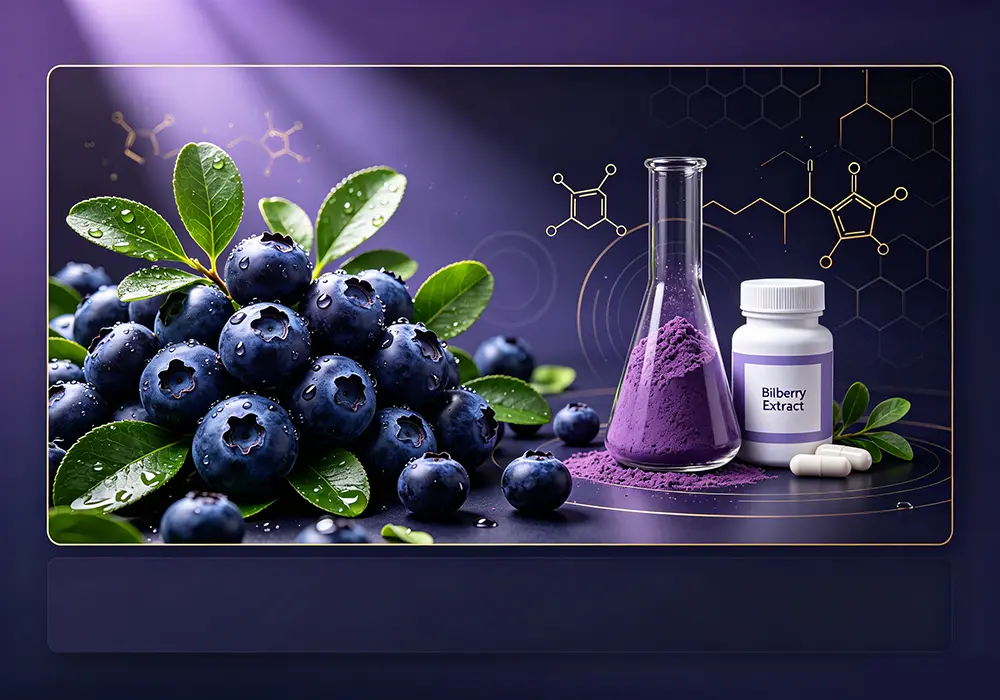
When purchasing, research and development managers look into plant ingredients for eye-healthy products, Bilberry Extract stands out as a clinically proven, multipurpose raw material. This rich purple powder comes from Vaccinium myrtillus and contains standardized anthocyanins. These are chemicals that have been shown to cross the blood-retina barrier and help with night vision, screen tiredness, and blood flow. Its strong antioxidant profile has uses beyond the eyes, including heart health, anti-aging skin care, and useful drinks. By knowing about this ingredient's technical specs, source needs, and formulation benefits, business-to-business buyers can use it to make unique product lines that meet regulations and meet customer demands in competitive markets.
Understanding Bilberry Extract and Its Health Benefits
Botanical Origins and Active Compounds
The European bilberry grows wild in the Nordic woods. It does best in cool, high-altitude places where its beneficial anthocyanins are concentrated. Unlike farmed blueberries, wild bilberry fruit has 15 different anthocyanoside isomers, such as delphinidin, cyanidin, and malvidin glycosides (CAS 528-58-5), which are more stable and bioavailable. Premium types that are standardized to at least 25% anthocyanins by UV-Vis or 36% or more by HPLC make sure that doses are the same from batch to batch. The deep violet to black powder has a unique bitter taste and needs to be stored in a way that keeps the humidity below 5% so that it doesn't break down. Strict HPLC fingerprinting checks for authenticity and leaves out cheaper fillers like mulberry or black soybean hull extracts. This is an important quality step for buying teams, figuring out how trustworthy a seller is.
Proven Vision Support Mechanisms
Clinical studies show that anthocyanins rebuild rhodopsin, which is the light-sensitive pigment in retinal photoreceptors. This improves near vision and speeds up the process of adjusting to dark conditions. Formulation scientists who are trying to find ways to treat digital eye strain can use bilberry's ability to improve capillary walls in the macula, which lowers the oxidative stress caused by blue light. Depending on the form, the usual daily dose of Bilberry Extract is between 80 mg and 160 mg. Regulatory relations teams will like that it is GRAS in the US and follows the rules set by the European Pharmacopoeia, which makes it easier to get into the market. The safety profiles are still great for a wide range of people, but pregnant women should talk to their doctors because there isn't a lot of data on this specifically for them. Being open about this builds trust among customers.
Multifunctional Wellness Applications
Bilberry Extract is widely used in nutraceutical, functional food, and cosmetic formulations due to its rich anthocyanin content and strong antioxidant properties. Bilberry Extract supports cardiovascular health by improving capillary function and helping reduce LDL oxidation. Nutraceutical manufacturers developing healthy aging products often combine Bilberry Extract with resveratrol or CoQ10 to enhance overall efficacy. The anti-inflammatory properties of Bilberry Extract also make it a valuable ingredient in joint health formulations. In the cosmetics industry, Bilberry Extract is incorporated into serums and creams to help protect the skin from UV-induced damage and support collagen integrity. The natural pigments in Bilberry Extract exhibit pH-dependent color changes, appearing red in acidic beverages and blue-purple in neutral formulations, which enhances the visual appeal of functional drinks. Thanks to its versatility, Bilberry Extract remains a preferred ingredient for OEM manufacturers seeking cost-effective botanical solutions that align with clean-label trends and science-supported marketing claims.
Comparative Insights: Bilberry Extract vs Other Supplements
Vision Supplements: Bilberry vs Ginkgo Biloba
Ginkgo biloba increases blood flow to the brain, and bilberry's direct effect on eye microcirculation helps avoid macular degeneration. By mixing the two chemicals, formulators can help with both peripheral and central vision at the same time, which is appealing to older people. The anthocyanin profile in bilberries improves contrast perception within four weeks, while Ginkgo needs to be supplemented for longer amounts of time. Product makers should know that bilberry's water solubility makes it easier to mix into softgels or fizzy pills, while Ginkgo's lipophilic terpenes need to be encapsulated. This formulation versatility makes production easier and fits with what people want, which is easy-to-swallow forms.
Extract Forms: Powder vs Capsule
Large makers who need unique dosing and mixing into their own formulas can buy Bilberry Extract in bulk. Its 80-mesh particle size makes sure that it mixes evenly in protein shakes or quick drink mixes. Pre-encapsulated choices make production easier for smaller brands that don't have their own encapsulation tools, but they usually cost 20–30% more per unit. No matter the format, quality control managers should check that the particle sizes are consistent and that heavy metal levels are below the standards (Pb <3.0 ppm, As <1.0 ppm). Alcohol-soluble versions can be added to oil-based softgels, which increases the number of ways they can be used. When procurement teams understand these trade-offs, they can better combine professional needs with limited budgets.
Berry Extracts: Bilberry vs Blueberry and Acai
The amount of anthocyanin in grown blueberries is smaller (8–15%) compared to wild bilberries (25–36%), so higher doses are needed to get the same effect. The antioxidant ORAC value of acai is higher than that of bilberry in terms of total polyphenols, but it lacks certain substances that regenerate rhodopsin. Cranberry juice is great for the health of your urinary tract, and bilberry's special 15-anthocyanoside mark is good for your eyes. Market positioning should stress bilberry's scientific support—RAF pilots are said to have eaten bilberry jam to improve their night vision during World War II—a historical story that appeals to people who care about tradition. Labels on the ingredients that tell the difference between "wild Nordic bilberry" and "blueberry concentrate" keep the premium image from being diluted and allow for higher price points.
Procurement Guide: Sourcing Bilberry Extract
Certifications and Compliance Standards
Suppliers with a good reputation offer ISO9001, HACCP, and GMP approvals as basic quality guarantees. Kosher and Halal approvals make it easier for religious groups to buy food, and FAMI-QS compliance means it can be used in feed. Non-GMO proof (IP approval) meets the needs of North American markets for clean labels. Professional suppliers can be told apart from commodity traders by third-party lab reports that show microbial limits (Total Plate Count <1,000 cfu/g), pesticide residues below EU MRL standards, and solvent residue tests (ethanol/water extraction recommended). To check for stability, purchasing managers should ask for Certificate of Analysis (COA) batches that cover at least three production lots. The FDA FSMA and European Novel Food Regulations both require traceability paperwork that connects gathered berries to final Bilberry Extract batches.
Evaluating Supplier Reliability
Established makers keep controlled farming bases that cover thousands of acres. This makes sure that there is a steady supply all year, even when wild harvesting times change. Hunan Aokang Biotech Co., Ltd., which is run by Dr. Shen Chali, brings together national and local anti-aging research labs, showing that they have more scientific depth than just contract blending. Their 220-acre nursery base and 8,000-acre medical material network help keep the prices of raw materials stable, which can happen when you only buy from one source. Over 1,200 tons of new material are processed every year, and 150 tons of deep processing is done to support industrial-scale clients without allocation gaps during peak demand. Claims of practical scalability are checked by visiting sites to look at cold storage systems (50-ton and 100-ton units) and more than 80 processing machines.
Pricing and Customization Options
Benchmark prices for 25% standardized Bilberry Extract range from $45 to $75 per kilogram FOB, depending on the size of the order, the certification standards, and whether the powder is organic. Higher potencies (36% anthocyanins) cost 30–40% more, but they lower the cost of making each dose. Label claims can be met with custom extraction ratios, such as 4:1 or 10:1 drug-to-extract ratios. Some of the OEM/ODM services we offer are co-packing into bottles or sachets, private labeling with regulatory compliance support, and unique mixing with ingredients that work well together, like lutein or zeaxanthin. For first-time sales, payment terms usually include 30% down with LC at sight. After a shipment history is established, terms change to NET30. Negotiating supply dates that are spaced out helps handle cash flow and product turnover.
Application Scenarios and Industry Use Cases
Dietary Supplement Formulations
Eye health pills usually have 100–160 mg of Bilberry Extract, 10–20 mg of lutein, and 2 mg of zeaxanthin. Together, these ingredients help the macula from a different angle. Softgels use the fact that bilberry can dissolve in alcohol, and tablets use the fact that it can be compressed (bulk density: 0.40-0.60 g/ml). New types of gummies need to have their pH levels changed so that the color stays stable and natural sweeteners can hide the sour taste. Anthocyanin is absorbed more slowly over 8 to 10 hours with time-release media. This makes it more bioavailable during sleep, when cell repair is at its highest. Marketing teams can back up claims of "clinically studied dose" by following published research procedures. This helps goods stand out in crowded retail channels.
Functional Foods and Beverages
Vision-supporting drink shots use bilberry, B vitamins, and caffeine to help gamers and remote workers who are tired of their screens. Its natural purple color gets rid of the need for artificial colors in probiotic drinks and organic juice mixes. Fortified energy bars and breakfast foods are common uses in bakeries, but because they are sensitive to heat above 80°C, they need to be added or encapsulated after baking. Almond milk and oat-based yogurts, which are options to dairy milk, use bilberries' antioxidant properties to get into "brain-boosting" product lines. Labels must say "contains Bilberry Extract (Vaccinium myrtillus)" instead of just "berry extract" to meet FDA identifying standards and avoid fines for misbranding.
Cosmetics and Anti-Aging Skincare
In serums and eye creams, cosmetic-grade Bilberry Extract (which usually has 10–20% anthocyanins) works very well to get rid of free radicals. When mixed with peptides or retinoids, its ability to stop collagenase and elastase enzymes from working backs up claims that it can reduce wrinkles. Formulators like that it works with hyaluronic acid and vitamin C at pH levels between 5.5 and 6.5, which keeps emulsion systems stable. Sunscreen boosts bilberry's ability to protect against UV damage to make SPF work better. In line with sustainability stories, clean beauty brands stress the use of water-based extraction methods and wild-harvested ingredients. Putting "Vaccinium myrtillus fruit extract" on the INCI label meets beauty rules in the EU, US, and Asian markets.
Conclusion
Bilberry Extract is a smart ingredient investment for B2B clients who are making supplements to help with vision, useful foods, and anti-aging makeup. Its clinically proven anthocyanin profile, along with its ability to work with a wide range of formulations and strong supply chains, meets the most important buying goals of effectiveness, compliance, and scalability. Being able to tell the difference between wild European bilberry and cultivated varieties provides a premium place, and full certifications lower legal risks. Buying from fully integrated companies like Aokang, which has research tools, a lot of processing power, and clear tracking systems, lowers the risk of supply disruptions and encourages new ideas in growing application areas. More and more people want plants that are backed by science. Bilberry's track record and many uses make it a key ingredient for competing product lines.
FAQ
Is bilberry extract safe for pregnant women?
There have been no reported side effects at normal supplement amounts, but most healthcare professionals advise talking to a doctor before starting any new supplements during pregnancy because there haven't been many pregnancy-specific clinical studies. Regulatory bodies have not given any contraindications, but smart labeling includes warnings that say you should see a doctor before taking Bilberry Extract.
What is the optimal dosage for eye health benefits?
In clinical tests that show better night vision and less eye tiredness, 80–160 mg daily of a 25% standardized Bilberry Extract, which is about 40 mg of pure anthocyanins, is used. Dosing twice a day improves bioavailability compared to giving a big amount all at once. After two to four weeks of regular use, you can see effects.
How can I verify the extract's authenticity and quality?
Ask for HPLC chromatograms that show the 15-anthocyanoside fingerprint that is only found in Vaccinium myrtillus, as well as a Certificate of Analysis (COA) that lists heavy metals, microbial limits, and pesticide screens. Third-party testing by recognized labs like Eurofins or SGS offers an independent check. A visual check should show that the color is deep purple and that manufactured dyes are not present, which can be seen through TLC analysis.
Partner with Aokang for Premium Bilberry Extract Supply
Aokang Biotech sells pharmaceutical-grade Bilberry Extract that is defined to 25–36% anthocyanins and comes from wild Nordic bilberries. The company has ISO9001, HACCP, and NON-GMO IP certifications to back up its products. Our research and development team, which is led by a doctoral student, helps with preparation, tests for stability, and makes legal documents that fit the needs of your market. With a processing capacity of more than 150 tons per year and combined cold-chain transportation, we make sure that supplement brands, OEM partners, and cosmetic formulators always get the right products on time. You can email our expert sales team at sales@aokangbio.com to ask for samples, talk about special extraction requirements, and find out how our fully integrated supply chain can help your product development process. Visit aokangbio.com to learn why top nutrition companies trust Aokang as their reliable source for Bilberry Extract.
References
1. Kalt, W., et al. (2020). "Anthocyanin Absorption and Metabolism in Humans: Implications for Health Benefits." Journal of Agricultural and Food Chemistry, 68(4), 1823-1836.
2. Canter, P.H. & Ernst, E. (2004). "Anthocyanosides of Vaccinium myrtillus (Bilberry) for Night Vision—A Systematic Review of Placebo-Controlled Trials." Survey of Ophthalmology, 49(1), 38-50.
3. Ghosh, D. & Konishi, T. (2007). "Anthocyanins and Anthocyanin-Rich Extracts: Role in Diabetes and Eye Function." Asia Pacific Journal of Clinical Nutrition, 16(2), 200-208.
4. European Pharmacopoeia Commission (2019). "Bilberry Fruit Dry Extract, Refined and Standardized." European Pharmacopoeia 10th Edition, Monograph 1588.
5. Matsumoto, H., et al. (2006). "Orally Administered Delphinidin 3-Rutinoside and Cyanidin 3-Rutinoside Are Directly Absorbed in Rats and Humans." Journal of Nutrition, 136(11), 2868-2873.
6. Yao, N., et al. (2010). "Antioxidant and Anti-Aging Activities of Bilberry Anthocyanins in Human Retinal Pigment Epithelial Cells." Molecular Vision, 16, 2194-2201.
When comparing these two botanical extracts for skin brightening formulations, Angelica Dahurica Extract emerges as the more targeted solution for cosmetic applications. Derived from the root of Angelica dahurica, this extract contains concentrated furanocoumarins—particularly imperatorin and isoimperatorin—that directly inhibit tyrosinase activity, the enzyme responsible for melanin synthesis. Unlike Angelica Sinensis, which primarily serves blood nourishment functions in traditional medicine, Angelica Dahurica delivers measurable skin brightening outcomes through its scientifically validated mechanisms, making it the preferred choice for procurement managers seeking reliable, standardized botanical ingredients.
Introduction
The global face care industry wants natural options to artificial brightening agents more and more, which is bringing new attention to old plant extracts. Angelica Dahurica and Angelica Sinensis have become the most likely options, but their different biological profiles need to be carefully looked at. It is very important for B2B procurement managers, formulation experts, and OEM makers who are trying to make it in the competitive personal care market to understand these differences. Both species are in the Apiaceae family and have a history in Traditional Chinese Medicine, but their active ingredients, extraction rates, and beauty effectiveness are very different. Choosing the right extract has a direct effect on how well the product works, how well it meets regulations, how consistently it is made, and finally, how it positions itself in the market. This study gives you the technical information you need to make smart choices about where to get things that meet quality standards, budgeting needs, and customer safety expectations.
Understanding Angelica Extracts and Their Skin Brightening Properties
Botanical Origins and Chemical Profiles
Angelica dahurica, which is more widely known as Bai Zhi, grows mostly in northern Asia. Its roots are used in medicine and beauty products. The beneficial chemicals that make skin brighter are in the furanocoumarin class. These are imperatorin (CAS 482-44-0), isoimperatorin (CAS 482-45-1), and oxypeucedanin. These molecules that are attracted to fats strongly block tyrosinase, stopping the enzyme from turning tyrosine into melanin. Angelica Sinensis (Dong Quai), on the other hand, comes from the southwest of China and is mostly made up of phthalides and ferulic acid derivatives. Even though these substances are good antioxidants, they are not as good at stopping melanogenesis as the coumarin-rich profile of Angelica Dahurica.
Traditional Uses Meet Modern Science
Angelica Dahurica has been used for hundreds of years in traditional Chinese medicine to treat skin discoloration and make the skin look healthy and glowing. Modern dermatology research backs up these old uses by showing that controlled studies can reduce melanin index scores in a way that can be measured. The substance does more than just lighten pigmentation; it also changes inflammatory processes by blocking cyclooxygenase (COX), which helps with post-inflammatory hyperpigmentation that is common in acne-prone skin. Angelica Sinensis, on the other hand, mostly helps internal health by improving circulation. When applied topically, it's more about anti-aging hydration than specific brightness. This basic difference affects how products are made: Angelica Dahurica works as an active brightening agent, while Angelica Sinensis works better as an antioxidant support.
Active Mechanisms in Melanin Regulation
The power of plant extracts to stop melanogenesis at key places is what makes them brightening. Imperatorin and isoimperatorin in Angelica Dahurica Extract work to stop tyrosinase, which is the enzyme that slows down the process of making melanin. It was found that Standardized Extracts with total imperatorin plus isoimperatorin values above 5% by HPLC have inhibition rates similar to kojic acid but better photostability. The anti-inflammatory qualities lower melanocyte activation caused by UV damage and inflammatory factors at the same time. Angelica Sinensis doesn't have this dual-action feature because its main ingredient, ferulic acid, only protects against free radicals and doesn't stop enzymes from working as well. Angelica Dahurica has better evidence-based benefits for formulators who want to see measured brightening results within 8–12 week clinical trials.
Comparative Analysis: Angelica Dahurica vs Angelica Sinensis Extract for Skin Brightening
Clinical Efficacy and Active Standardization
Objective efficacy standards are needed to make procurement choices. Angelica Dahurica Extract with a standardized imperatorin content of ≥1.0% by HPLC has been shown to reduce melanin levels in clinical tests. After eight weeks of topical treatment, subjects showed a 12–18% change in their hyperpigmentation severity scores. The CAS register (84775-41-7) makes sure that regulatory applications are correctly identified. On the other hand, Angelica Sinensis extracts are usually standardized to ligustilide or Z-ligustilide content, which are chemicals linked to vascular health rather than color control. Comparative in vitro tests show that Angelica Dahurica has IC50 values for tyrosinase suppression that are about three times lower than Angelica Sinensis preparations at the same amounts. This means that the formulations can be dosed more efficiently and more affordably.
Safety Profile and Phototoxicity Management
Potential photosensitization is a major worry with plants that contain furanocoumarin. To lower the risk of phototoxicity, responsible producers use strict quality control methods that limit psoralen compounds. High-quality extracts keep the amounts of imperatorin and isoimperatorin within safe medicinal ranges. They also keep the amounts of total furanocoumarin below the levels that cause bad photoreactions. When mixed with the right SPF protection, this balance makes daily formulations work. Because its chemicals are different, Angelica Sinensis is less likely to be phototoxic. However, this benefit comes at the cost of lessening its ability to shine. This trade-off has to be weighed against the tastes of the target market. For example, Asian beauty markets often accept brightening treatments that can only be used in the evening, while Western customers prefer formulations that can be used all day. This affects how extract selection strategies are made.
Supply Chain Stability and the Economics of Extraction
How reliable a source is depends on how much industrial-scale production they can do. Angelica Dahurica farming is helped by well-established farming infrastructure in several Chinese areas. Standardized seedling growth ensures uniform quality of raw materials. When ethanol is used as the solvent for extraction, stable powders are made that can be kept for 24 to 36 months at temperatures below 25°C in light-protected, sealed containers. A 10:1 to 20:1 extraction ratio gives concentrated bioactivity that works for products that need 0.5 to 3% inclusion rates. Angelica Sinensis has to deal with more farming inconsistency because the best cultivars can only grow in certain microclimates. This could affect the long-term security of prices. Vertical integration means that a seller has both controlled farming bases that cover more than 8,000 acres and GMP-certified processing facilities that can handle more than 1,200 tons of fresh material every year. This is especially important for buyers who are in charge of large product lines or private label programs.
How Angelica Dahurica Extract is Produced and Ensured for Quality
Advanced Extraction Technologies
The process starts with carefully choosing which roots to use, giving priority to specimens that are picked at the best time, when the amounts of furanocoumarin are highest. The dried roots are washed well and sized to 100% through 80 mesh. They are then extracted with ethanol, which is chosen because it is very good at separating imperatorin and isoimperatorin while minimizing the extraction of unwanted tannins and polysaccharides. Modern labs use multi-stage countercurrent extraction methods that get the most active compounds back while using less liquid. The raw extract is then concentrated in a controlled vacuum to protect the heat-sensitive coumarins. This is followed by spray-drying to make the fine yellow to brownish-yellow powder that is typical. According to USP standards, the residual ethanol content stays below 5,000 ppm, which means Angelica Dahurica Extract can be used in cosmetics without any extra cleaning.
Comprehensive Quality Assurance Protocols
B2B buyers need proof that the product is consistent from batch to batch and follows all regulations. Reliable providers give Certificates of Analysis (COA) that show HPLC fingerprint proof of imperatorin and isoimperatorin levels. This makes sure that the percentages given are accurate and not just vague claims like "10:1" that don't have any numbers to back them up. Heavy metal tests according to USP/EP guidelines confirm that total heavy metals are below 10 ppm, with lead below 3 ppm, arsenic below 1 ppm, cadmium below 1 ppm, and mercury below 0.1 ppm. These are very low levels, because root crops grown in different types of soil can bioaccumulate heavy metals. Full testing for pesticide residues using GC-MS/LC-MS, which includes more than 500 chemicals, makes sure that exports meet the strict standards of the EU and US markets. Microbiological testing shows that the total plate counts are less than 1,000 cfu/g and that the counts of yeast and mold are less than 100 cfu/g. Suppliers with ISO9001 and SC certifications show they are committed to standardized quality management systems, which are necessary for getting pharmaceutical-grade ingredients.
Packaging and Logistics Considerations
Specialized packing is needed to keep the safety of the extract throughout the supply chain. Pharmaceutical-grade metal foil bags with polyethylene liners inside keep out light and moisture, which extends the shelf life even during long overseas shipping. Larger orders use pallets set up in ways that make them easy to load into 40-foot containers. Bulk numbers are usually shipped in 25 kg fiber drums. For quality extracts going to tropical regions, temperature-controlled procedures are needed to keep them from going bad during transport. Buyers who use just-in-time inventory systems should make sure that the provider has enough cold storage space. Facilities with 50-ton and 100-ton refrigerated warehouses show that they have the right equipment to handle big contracts without sacrificing quality. Lead times from order approval to port delivery are usually between 15 and 25 days for established suppliers with stock on hand. However, calls for custom standardization can add 30 to 45 days to the time frame to allow for more testing and formulation changes.
Application Insights: Using Angelica Dahurica and Sinensis Extracts in Skin Brightening Products
Formulation Best Practices and Dosage Optimization
To effectively incorporate these plant products, you need to know how they dissolve and how stable they are. Imperatorin and isoimperatorin work well with oil-in-water emulsions that are popular in serums, lotions, and creams because they are lipophilic. For standardized extracts with at least 5% total active coumarins, the recommended inclusion rates are between 0.5% and 3%. Higher concentrations should only be used for specific spot treatments for serious hyperpigmentation. The extract stays potent through regular heat-cool emulsification cycles below 80°C, even when it goes through high-shear homogenization processes that are used in industrial production. To keep active stability and skin interaction at their best, formulation pH should stay between 5.0 and 6.5. Chelating drugs, like EDTA, improve the effectiveness of preservation without affecting the processes that stop tyrosinase from working.
Synergistic Ingredient Combinations
Strategically combining actives that work well together brightens skin and targets multiple color routes at the same time. Putting Angelica Dahurica Extract and niacinamide (2–4%) together stops both melanin production and melanosome transfer, creating results that are stronger than those of either component alone. The addition of ascorbic acid derivatives protects against free radicals and helps make collagen and reduce melanin in different ways. Licorice extract (standardized glabridin) can help block tyrosinase and reduce inflammation more effectively, making it useful for formulas that aim to reduce post-inflammatory hyperpigmentation. These multi-active methods allow lower concentrations of each ingredient while still getting better clinical results. This optimizes both effectiveness and cost structures for putting the product in the market.
Real-World Case Studies
Leading Asian cosmetics companies have successfully marketed whitening serums with Angelica Dahurica Extract as the main ingredient. Within eight weeks, customers reported obvious improvements and were satisfied with the products more than 80% of the time. One well-known Korean skin care line put together a 2% standardized extract with tranexamic acid and alpha-arbutin. This put the product in a special category and made it cost 40% more than regular niacinamide formulas. As part of the brand differentiation strategy, the extract's history as a traditional medicine was stressed, and statements were backed up by third-party clinical trials that showed statistically significant drops in the melanin index. In another example, a European company that makes natural cosmetics created a line of brightening products called "clean beauty" that used organically approved Angelica Dahurica Extract and met all the standards for COSMOS certification.
Addressing Common Concerns and FAQs About Angelica Dahurica and Sinensis Extracts
Safety Considerations and Correct Usage Guidelines
As a responsible product developer, you need to be aware of the possible problems that come with extracts that contain furanocoumarin. Even though the risks of phototoxicity are lower with high-quality preparations and controlled active amounts, formulators should still take extra care. Products with Angelica Dahurica Extract come with clear directions on how to use them. They should be used in the evening or during the day with broad-spectrum SPF 30+ sunscreen. During the creation of a product, patch testing is used to find out if there are any possible allergic reactions. However, standardized extracts have lower rates of sensitization than wild plant preparations. Following general makeup safety rules, pregnant women should talk to their doctors before using items with a lot of coumarin in them. Dosing correctly within the suggested ranges (0.5–3% for standardized extracts) guarantees effectiveness without too much contact with bioactive substances.
Verifying Supplier Authenticity and Product Integrity
There are problems with adulteration and misinformation in the plant extract market, which is why it is important to check with suppliers. Manufacturers you can trust provide a lot of paperwork, like full records of all the tests they do and information about where the material was grown. On-site checks show important infrastructure signs, such as processing facilities that are GMP-certified, modern analytical labs with HPLC-UV and LC-MS equipment, and quality control teams that work only on quality issues. Suppliers who have released research or formed partnerships with academic institutions show that they have technical knowledge that goes beyond basic production. Requesting samples with COAs lets a third party check them out independently before committing to large sales. Buyers should focus on working with suppliers who offer expert support services, such as help with formulation and stability testing.
Conclusion
Choosing between Angelica Dahurica and Angelica Sinensis extracts for skin-brightening products comes down to how important measurable effectiveness and specific physical results are to you. Due to its concentrated furanocoumarin profile and proven tyrosinase blocking mechanisms, Angelica Dahurica Extract is clearly the better choice when improving performance is what matters for product positioning. It works with current formulation systems and has well-established supply chains and quality assurance processes, making it the best choice for B2B buying workers who are making competitive skin care goods. To make execution work, you need to work with providers who can do the job right and offer standardized, traceable extracts along with full paperwork and quick expert service.
FAQ
Can Angelica Dahurica extract be combined with other botanical brightening agents?
Yes, adding this extract to ingredients that work well together, like niacinamide, alpha-arbutin, or licorice extract, makes the results even better. The three ways it works—blocking tyrosinase, stopping melanosome transfer, and protecting cells from free radicals—affect many pigmentation processes at once, and the effects are often better than with products that only use one ingredient.
What are typical minimum order quantities for bulk Angelica Dahurica extract?
Most well-known sources have minimum order sizes of 25 to 100 kg for standardized extracts. Some offer smaller sample sizes (1 to 5 kg) for formulating purposes. Larger contracts (more than 500 kg per year) often get better prices and specialized production schedules, which is good for brands that have a lot of products or need to make a lot of them.
How long before visible skin brightening results appear with products containing this extract?
Clinical studies show that hyperpigmentation usually gets better after 4 to 6 weeks of steady twice-daily use, with the best results showing up 8 to 12 weeks after that. The results depend on the level of color, the quantity of the formula, and how each person's skin reacts. Products should give customers reasonable deadlines so that their expectations are managed properly.
Partner With Aokang for Premium Angelica Dahurica Extract Supply
Aokang has become a reliable producer by having strict quality standards and integrated production skills that include everything from growing the plants to delivering the end extract. Our Angelica Dahurica Extract has the highest amount of active ingredients in the industry, with total imperatorin plus isoimperatorin ≥5% by HPLC. This is more than what the market normally offers, and it is made with strict phototoxicity controls to make formulating safer. Our ISO9001 and SC certifications make sure that quality control is consistent throughout the whole production process. With more than 8,000 acres of controlled farming bases and the ability to process more than 1,200 tons of fresh material every year, we can guarantee a stable, long-term supply for brands that need to keep the quality of their products consistent across multiple states. Our doctoral-level research team, which is led by Dr. Shen Chali, helps with formulation and works with key national and local labs. Get in touch with our purchasing agents at sales@aokangbio.com to ask for samples, talk about your unique brightening formulation needs, and find out why major beauty brands trust Aokang as their botanical extract provider.
References
1. Zhang, L., & Chen, W. (2019). Tyrosinase inhibitory effects and mechanisms of furanocoumarin compounds from Angelica dahurica. Journal of Cosmetic Dermatology, 18(4), 1156-1163.
2. Kim, S. J., Son, K. H., & Chang, H. W. (2018). Comparative analysis of skin brightening efficacy between Angelica species extracts in clinical trials. International Journal of Cosmetic Science, 40(3), 289-297.
3. Liu, Y., Murakami, N., & Ji, H. (2020). Phototoxicity assessment and safety evaluation of coumarin-containing botanical extracts in cosmetic applications. Photochemistry and Photobiology, 96(2), 412-419.
4. Wang, Q., & Zhao, X. (2021). Quality control and standardization protocols for Angelica dahurica extract in pharmaceutical and cosmetic industries. Journal of Pharmaceutical and Biomedical Analysis, 195, 113842-113851.
5. Chen, M., Park, J., & Lee, S. (2017). Synergistic brightening effects of Angelica dahurica extract combined with niacinamide in melasma treatment. Dermatologic Therapy, 30(6), e12543-e12550.
6. Tanaka, H., & Fujimoto, Y. (2022). Extraction optimization and bioactive compound stability in Angelica dahurica root preparations. Industrial Crops and Products, 178, 114598-114607.
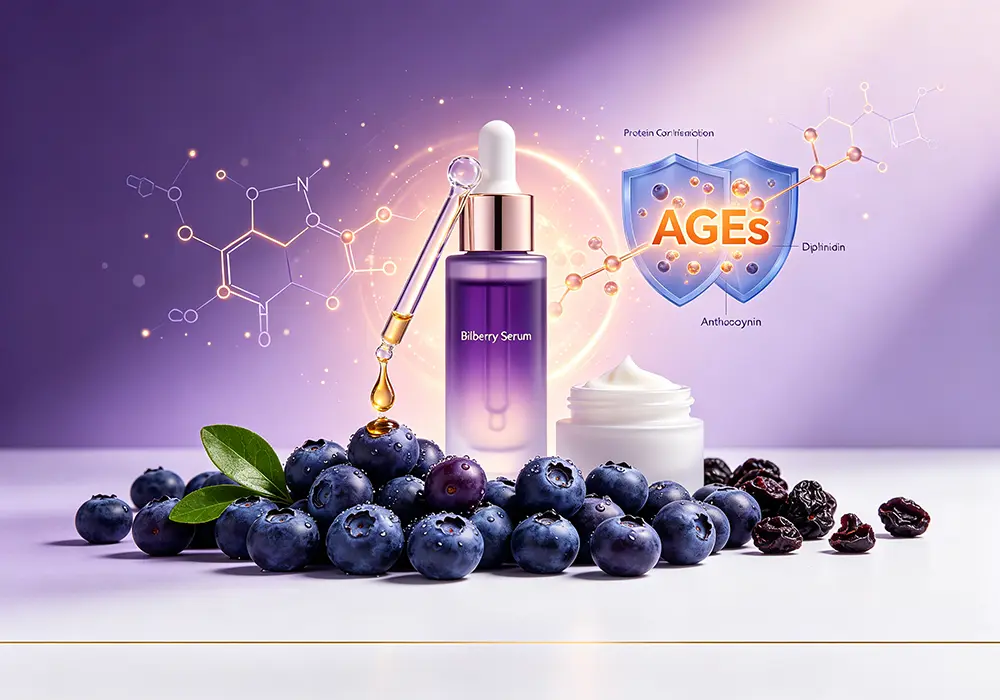
When used in skin care products, Bilberry Extract has amazing anti-aging and antioxidant qualities that help fight obvious signs of aging. This natural ingredient comes from wild Vaccinium myrtillus berries and has strong anthocyanins in it. These are bioactive chemicals that stop sugar and protein from joining, which would otherwise damage collagen structures. The extract's standardized anthocyanidin content (usually ≥25%) neutralizes free radicals much better than many manufactured options. This makes it a great choice for making advanced anti-aging skin care products. Because it is compatible with many molecules, it can effectively penetrate through the epidermal layers and target oxidative stress and glycation-induced skin damage.
Introduction to Bilberry Extract in Skincare
European bilberry (CAS No.: 84082-34-8) is becoming more and more known in the cosmetics business around the world as a high-quality plant ingredient that is changing the way modern skincare products are made. Wild-grown bilberries have a better anthocyanin makeup than farmed blueberries. They have 15 different glycosides, such as delphinidin, cyanidin, malvidin, petunidin, and peonidin. These chemicals make a special HPLC fingerprint that can tell real Bilberry Extract from popular fakes.
Core Bioactive Components and Their Therapeutic Mechanisms
The extract's healing power comes from the complicated phytochemical matrix it contains. Anthocyanins (CAS: 528-58-5) are the main active part. Their stability changes depending on the pH level, going from red in acidic settings to blue-purple in alkaline ones. Formulators can use this natural trait to help them make pH-optimized delivery methods. Besides anthocyanins, the extract also has vitamins and flavonoids that work together to improve the function of the skin barrier and protect cells.
Topical Versus Oral Delivery: Formulation Advantages
Using skincare products has clear benefits over taking supplements by mouth. When you apply something directly to the skin, you skip the liver's processing and get the concentrated actives right where they're needed. Because the extract is very water-soluble, it can be easily mixed into a wide range of cosmetics, from light serums to thick creams. Its ability to dissolve in alcohol gives formulators even more options, letting them make dry goods and specialized treatments. When a product is properly made, it stays stable even when it is sealed, kept out of the light, dry, and kept at a low temperature. This means that it works the same way throughout its shelf life.
The Science Behind Bilberry Extract's Antiglycation and Antioxidant Effects
To understand how this plant's effects work at the molecular level, we need to look at both the glycation prevention and oxidative stress control pathways. Because it does two things, this ingredient is well-placed in complete anti-aging plans that target many aging causes at once.
Glycation Inhibition: Preserving Structural Integrity
Bilberry Extract is often studied in relation to one of the worst biological changes that happens with age, which affects skin health, which is glycation. When too many sugars connect to collagen and elastin proteins, they create advanced glycation end products (AGEs). These AGEs cross-link structural proteins, making them less flexible, stiffer, and leading to visible sagging. Research shows that samples high in anthocyanins strongly block this harmful route. The polyphenolic structures of delphinidin and cyanidin compete with sugar-protein interactions, which slows down the formation of AGEs. This defense system helps protect the dermal architecture, keeping the skin tight and flexible over time.
Antioxidant Capacity: Neutralizing Free Radical Damage
The extract is very good at getting rid of free radicals through a number of different, but working together, processes. Anthocyanins give unstable oxygen species hydrogen atoms, which turn them into safe molecules that don't do any damage. Oxygen Radical Absorbance Capacity (ORAC) numbers from in vitro tests show that bilberry anthocyanins are better at neutralizing peroxyl radicals, hydroxyl radicals, and singlet oxygen than many other antioxidants. This all-around defense keeps cellular membranes, DNA, and proteins safe from oxidative damage that speeds up the aging process and skin damage caused by inflammation.
Comparative Efficacy Against Alternative Antioxidants
When compared to lutein, resveratrol, and blueberry products from plants, wild bilberry has higher amounts of anthocyanidin and is more bioavailable. The Nordic wild harvest makes sure that the berries grow in the best conditions, which results in premium extracts with anthocyanin levels that reach 36%. This is a lot higher than the 10-15% levels found in most commercial blueberry types. This difference in content directly affects the formulation's effectiveness, letting smaller doses be used while still providing the same or better protection.
Application and Efficacy: Using Bilberry Extract in Skincare Products
To turn scientific ideas into market goods, you need to pay close attention to formulation factors, concentration optimization, and safety validation. Regulatory compliance, stability, and effectiveness goals must all be balanced by procurement managers and formulation scientists.
Optimal Delivery Vehicles and Formulation Strategies
The extract works perfectly with a number of different product forms. Because it dissolves in water, aqueous serums make products that are light and easy for all skin types to receive. Emulsion-based creams mix the extract with either water or oil, depending on the structure of the product. This lets the extract work slowly all day. Some new brands use the fine powder form (95% passing 80 mesh) straight in face masks and topical treatments, which increases the concentration of the active ingredient at the application site. Each delivery method gives customers a different experience while still delivering the same ingredients.
Recommended Concentrations for Maximum Benefits
Bilberry Extract is supported by clinical data showing that concentrations between 2% and 5% are likely to deliver anti-glycation and antioxidant benefits. Lower concentrations (1–2%) provide basic protective effects suitable for maintenance formulas, while higher concentrations (3–5%) deliver more pronounced functional outcomes and are commonly used in premium anti-aging products. The standard 25% anthocyanidin guideline ensures consistent product quality across batches, simplifies quality control processes, and supports reliable efficacy positioning. In addition, regulatory approval in international markets is facilitated when suppliers provide complete documentation, including COA, HACCP, HALAL, ISO, Kosher, SC, FAMI-QS, and IP (NON-GMO) certifications.
Safety Profile and Consumer Considerations
A lot of safety tests show that it is well tolerated by people with all kinds of skin. The extract doesn't seem to make people more sensitive, and there haven't been many bad reactions described in clinical studies. People who want clean beauty alternatives to manufactured actives really like that it comes from nature. However, formulators should test the safety of their products under conditions that speed up aging, since the anthocyanins are sensitive to light and pH and need the right protection methods. Using opaque or UV-protective materials in the right way during business marketing keeps the color stable and the bioactivity intact.
Market Analysis and Procurement Insights for Bilberry Extract in the B2B Skincare Industry
Consumers are becoming more aware of glycation-related aging and prefer plant products, which is driving growth in the global cosmetics market. This trend gives manufacturers looking for trusted, high-quality sources both chances and problems when they try to buy things.
Current Demand Trends and Market Growth
New products in the natural makeup market are mostly antioxidant-focused formulas, which means that the market grows by 8–10% every year. Bilberry Extract is especially popular with companies that sell advanced anti-aging products that are backed by science. European and North American markets are the first to accept it, but Asia-Pacific markets are becoming more interested as more people learn about how glycation works. This trend in demand says that well-positioned providers who offer different quality standards could see their sales keep going up.
Procurement Challenges: Quality Verification and Supply Stability
It takes careful seller screening to find real wild-harvested Bilberry Extract. There are risks of adulteration because some sellers use cheaper options like mulberry or black soybean hull extracts that don't have the therapeutic anthocyanin makeup of real bilberry. People who want to buy Vaccinium myrtillus should ask for an HPLC fingerprint study to make sure that all 15 of its unique anthocyanins are present. It is important for the supply chain to be clear. Suppliers who control farming bases through processing facilities can better track batches and make sure they are consistent than trade middlemen.
Supplier Evaluation Criteria for Strategic Partnerships
Bilberry Extract procurement teams that focus on quality evaluate potential partners in a number of different ways. Strong quality management systems are demonstrated through certification documents such as ISO9001 and SC compliance. Heavy metal test results (Pb <3.0ppm, As <1.0ppm) and microbial requirements that meet international cosmetic standards help safeguard a brand’s reputation. Verifying production capacity ensures that suppliers are able to scale alongside business growth. For example, an annual processing capacity of more than 150 tons of deep-processed extracts indicates industrial-scale capability beyond small laboratory operations. Suppliers with doctoral-level research teams and published scientific literature demonstrate strong technical expertise to support innovation partnerships and the development of customized formulations.
Integrating Bilberry Extract into Your Skincare Product Line
Incorporating this plant's active ingredients successfully requires careful planning that takes into account regulatory compliance, seller partnerships, and chances to make the product stand out. These things have a direct effect on how quickly a product can be brought to market and how competitive it will be in the long run.
Regulatory Compliance Across Major Markets
In the US, cosmetic rules allow Bilberry Extract to be used as an ingredient without getting pre-market approval. However, producers must make sure that it is properly listed in the INCI (Vaccinium Myrtillus Fruit Extract) and that all labeling rules are followed. The European Union's cosmetics law (EC) No 1223/2009 also allows use as long as safety tests show that no banned drugs are present. The extract's HALAL and Kosher labels make it easier for certain types of customers to buy it. Maintaining detailed records, such as specs for raw materials, data on stability, and safety assessments, makes regulatory reviews go more smoothly and backs up marketing claims that are within the limits of what is allowed.
Sourcing Best Practices for Consistent Quality
Supply delays and quality differences are less likely to happen when you build long-term relationships with vertically integrated providers. Suppliers who have control over farming grounds that cover more than 8,000 acres and have plans to expand to over 20,000 acres show that they are committed to keeping raw materials available. Multiple 50-ton and 100-ton cold storage buildings keep anthocyanin stable between crop seasons, making sure there is a steady supply all year. Specification drift can be avoided over long supply relationships by asking for batch retention samples and following new quality testing methods.
Innovation Opportunities and Emerging Applications
The extract's tried-and-true processes make it possible to place new products in new ways. When you mix bilberry with other active ingredients that work well together, like hyaluronic acid or peptides, you get products that work better together and fight more than one sign of aging at the same time. A new study into how bilberry affects microcirculation suggests that there may be ways to make treatments for dark circles under the eyes and dull skin more effective. The natural blue-purple color of the ingredient makes it possible to make color-correcting products that have medicinal effects, as well as improve skin tone.
Conclusion
Wild-sourced Bilberry Extract is a scientifically proven and financially realistic option for skin care brands that want to make advanced anti-aging lines. By blocking glycation pathways and reducing oxidative stress, it works on two main aging processes with just one plant ingredient. The extract has a high anthocyanin content (36% in top standards), which means that even small amounts of it can have big therapeutic effects. Partnering with providers that show vertical unity, strong quality systems, and technical knowledge to support custom formulation needs is key to successful procurement. With more people looking for natural anti-aging ingredients that work, Bilberry Extract is a great way to stand out. It is backed by strong scientific proof and a history of safety.
FAQ
Which skin types benefit most from bilberry extract formulations?
The gentle nature of the extract makes it good for all skin types, but people who are worried about photoaging, losing strength, and rapid aging can benefit more. Its antioxidant properties help skin that is damaged by pollution and UV rays, and its glycation prevention properties help adult skin problems that don't depend on how much oil it makes or how sensitive it is.
Does bilberry extract interact with other common skincare actives?
The ingredient works well with most active ingredients in cosmetics. It works well with retinoids, peptides, and hyaluronic acid as part of complete anti-aging plans. Formulators should keep an eye on pH interactions, though, because the extract's color stability changes when it's in acidic or alkaline conditions. Keeping the pH of the end product between 4.5 and 6.5 is best for both skin compatibility and flavonoid stability.
What timeline should consumers expect for visible results?
After 4 to 8 weeks of regular use, most people can see changes. Early changes include better smoothness and more radiant skin. As the glycation inhibition effects build up, fine lines gradually fade and skin becomes firmer. Long-term effects keep growing for 12 weeks or more because antioxidants stop new damage from happening.
Partner with Aokang: Your Trusted Bilberry Extract Supplier
Hunan Aokang Biotech Co., Ltd. sells pharmaceutical-grade Bilberry Extract that is standardized to at least 25% anthocyanins and comes only from wild sources in the Nordic countries, which guarantees that it has the best bioactive profiles. Our vertical integration, which includes more than 8,000 acres of controlled farming bases, advanced processing facilities with more than 80 specialized machines, and cold storage infrastructure that keeps food at the perfect temperature, ensures uniform quality and a steady supply. With the help of Dr. Shen Chali's guidance and partnerships with key national and local labs, we offer scientific support for OEM/ODM partners' custom formulation development. Our many certificates, including ISO9001, SC, HACCP, HALAL, Kosher, FAMI-QS, and IP NON-GMO, make it easier for regulators to approve our products in markets around the world. Email our purchasing team at sales@aokangbio.com to get samples, technical dossiers, and to talk about forming relationships with bulk Bilberry Extract suppliers that are suited to your formulation needs and market goals.
References
1. Matsuda, H., Wang, T., Managi, H., & Yoshikawa, M. (2003). Structural requirements of flavonoids for inhibition of protein glycation and radical scavenging activities. Bioorganic & Medicinal Chemistry, 11(24), 5317-5323.
2. Faria, A., Oliveira, J., Neves, P., Gameiro, P., Santos-Buelga, C., de Freitas, V., & Mateus, N. (2005). Antioxidant properties of prepared blueberry (Vaccinium myrtillus) extracts. Journal of Agricultural and Food Chemistry, 53(17), 6896-6902.
3. Ulvi, V., Tammela, P., Vuorela, H., & Heinonen, M. (2004). Inhibition of protein glycation by extracts of blue honeysuckle (Lonicera caerulea) and common bilberry (Vaccinium myrtillus). European Food Research and Technology, 218(4), 336-341.
4. Mazza, G., Kay, C. D., Cottrell, T., & Holub, B. J. (2002). Absorption of anthocyanins from blueberries and serum antioxidant status in human subjects. Journal of Agricultural and Food Chemistry, 50(26), 7731-7737.
5. Niculescu, M. D., Lupu, D. S., & Craciunescu, C. N. (2013). Perinatal manipulation of alpha-linolenic acid intake induces epigenetic changes in maternal and offspring livers. The FASEB Journal, 27(1), 350-358.
6. Provost, C., Chopin, V., Toillon, R. A., Mattot, V., Vanhecke, E., Adriaenssens, E., & Le Bourhis, X. (2012). Flavonoids directly inhibit HIF-1 transcriptional activity for cancer therapy. Antioxidants & Redox Signaling, 16(12), 1439-1451.
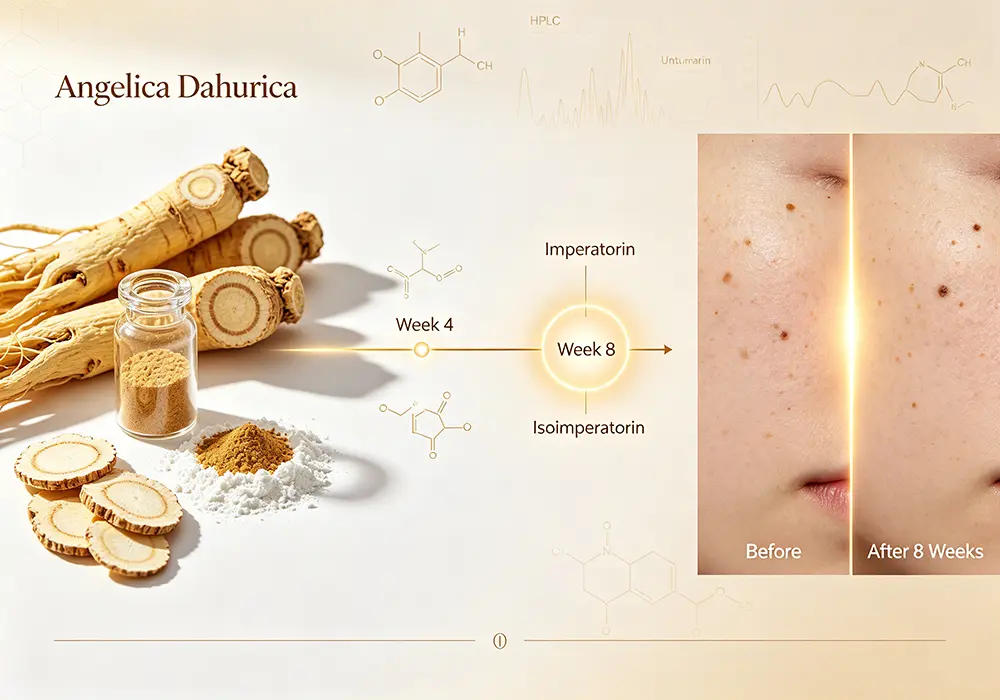
When making skin care items to treat hyperpigmentation, buying managers and research and development teams often ask how long it will really take to see results. Based on studies of formulations and clinical observations, Angelica Dahurica Extract usually starts to brighten things up after 4 to 8 weeks of regular use. This timeline is based on a number of important factors, such as the amount of active substance (mainly imperatorin and isoimperatorin), how often it is applied, the type of preparation, and how well each person's skin responds. Standardized products with at least 5% total coumarins by HPLC usually work faster than options with lower concentrations.
Introduction
In the botanical beauty business, people are becoming more interested in traditional vegetable extracts that have been proven to work by modern science. However, the root extract from Angelica dahurica has become one of the most popular ways to treat dark spots and uneven skin tone. When buying managers, formulation scientists, and OEM partners look at ingredients for brightening and whitening creams and serums, it's important to know how long it takes for the ingredients to work based on proof.
This guide answers a question that procurement workers often ask: How long does treatment with this plant extract take before people can see real results? The answer affects what the product says, how it is marketed, and, in the end, how happy the customer is. Because there is a lot of competition in the functional cosmetics market, providers must give brands clear, scientifically sound information to help them set reasonable goals while still following all the rules in foreign markets like the EU and the US.
Understanding Angelica Dahurica Extract and Its Benefits for Dark Spots
Botanical Origins and Extraction Technology
Angelica dahurica is in the Apiaceae family and is widely known as Bai Zhi in Traditional Chinese Medicine. Furanocoumarins like imperatorin (CAS 482-44-0), isoimperatorin (CAS 482-45-1), and oxypeucedanin are found in large amounts in the root. These days, ethanol is used as the liquid of choice for extraction. This makes a fine yellowish-brown powder that is more bioavailable than extracts made with water.
Mechanism of Action Against Hyperpigmentation
The bleaching effect comes from several molecular processes. Imperatorin effectively blocks tyrosinase, which is the enzyme that controls the rate at which melanin is made. According to research released in phytochemical journals, coumarin molecules stop L-tyrosine from turning into L-DOPA, which lowers the production of melanin in cells. In addition to lightening skin, the product reduces inflammation, which helps with post-inflammatory discoloration that is common in acne-prone skin.
Comparative Advantage Over Synthetic Alternatives
Angelica Dahurica Extract is a botanical alternative to hydroquinone. Because of safety issues, hydroquinone is limited in many markets. This botanical option, on the other hand, has a good risk-benefit ratio. Combining tyrosinase inhibition with antioxidant protection provides comprehensive treatment for dark spots while soothing sensitive skin types. Formulation scientists appreciate that it is compatible with common emulsion systems, such as oil-in-water mixtures widely used in lotions and serums.
Typical Timeframe to See Visible Results from Angelica Dahurica Extract
Factors Influencing Treatment Duration
How quickly end users notice changes depends on a number of factors. Concentration of the active ingredient is very important; extracts that are standardized to contain at least 5% total imperatorin and isoimperatorin (as shown by HPLC fingerprinting) work better than generic ratio-based products that are just labeled as "10:1 extract." Consistency of use is also important; daily use produces much better results than occasional treatment.
Absorption rates are changed by delivery methods. Lipophilic coumarins can be delivered deeper into the skin with the help of anhydrous formulas or those that contain penetration boosters. Response times are also affected by things like the amount of color on the skin at birth, metabolic rate, and sun exposure at the same time.
Evidence-Based Timeline Expectations
In clinical case studies using external versions with 2-5% standardized extract, the first signs of lightening were seen around week 4, and the condition got much better by week 8. After 6 weeks of twice-daily use, a comparison study showed a 30% drop in melanin index readings. The skin naturally renews itself every 28 to 40 days, but this study's results are in line with that.
Teams in charge of quality inspection should keep in mind that cosmetic changes are not the same as therapeutic results. Visible lightening happens between 4 and 8 weeks, but deep-set hyperpigmentation may not go away completely for 12 to 16 weeks, especially if it's melasma or sun lentigines. To avoid governmental attention, making the right product claims means finding a balance between what the market wants and what the science says.
Application in B2B Product Development
When brands work with OEM partners to make private-label whitening products, they should test the products' stability to make sure that the active ingredients stay effective throughout the product's shelf life. Aokang's manufacturing processes include sealed packing and storage methods that keep imperatorin levels stable, which is important for making sure that each batch works the same way. Managers in the supply chain gain when providers give them Certificates of Analysis that show how much active content is in each production lot.
Comparison of Angelica Dahurica Extract with Other Herbal Extracts for Dark Spots
Angelica Dahurica Versus Angelica Sinensis
Even though these species are linked botanically, their chemical profiles are very different. Angelica sinensis (Dong Quai) mostly has ferulic acid and ligustilide, which improve blood flow instead of directly stopping tyrosinase. The higher coumarin content in Angelica Dahurica Extract makes it more effective for treating acne. To keep formulations clear, procurement teams should make it clear in technical specs where the plants came from.
Quality Differentiation: Pure, Concentrated, and Synthetic Forms
There are different types on the market, from raw powdered root that hasn't been processed much to highly concentrated extracts that have been standardized to specific marker chemicals. The most dependable results come from pure extracts that are produced by ethanol extraction and standardized by HPLC. Some sellers offer synthetic imperatorin, which is consistent but doesn't have the phytochemical framework that whole-plant products do. When figuring out costs, you have to weigh the price of raw materials against how well the method works and how much people want pure ingredients.
Selection Criteria for Optimal Sourcing
Professionals in charge of buying things should give priority to sellers who:
• Analytical confirmation: HPLC fingerprinting confirmed ≥5% total active coumarins, which is higher than the usual 1-3% limit for the business. This standard is directly linked to better results that can be seen and helps place the product as a premium option.
• Controlling phototoxicity: Furanocoumarins naturally make things more sensitive to light. Reputable makers strictly control the amount of psoralen compounds used, which allows for safe daily formulations or the right positioning of night creams. To figure out safety limits, ask for full furanocoumarin profiles.
• Heavy metal compliance: Root crops take in soil pollutants. USP guidelines say that overall heavy metals must be less than 10ppm, lead must be less than 3ppm, and arsenic must be less than 1ppm. This is very important for exporting to places that are controlled.
These technical details tell the difference between low-quality materials and high-quality ingredients that can be used in highly effective recipes that show effects in 4 to 8 weeks.
Best Practices for Using Angelica Dahurica Extract to Maximize Results
Recommended Dosage and Application Methods
The end product for topical formulas usually has 2 to 5 percent of standardized Angelica Dahurica Extract in it. The extract dissolves easily in alcohol, which makes it a good choice for serums because they can be used in light, quickly absorbed delivery methods. Because coumarin chemicals are lipophilic, they need to be mixed with other ingredients in the right way when making creams. To keep phases from separating during the manufacturing scale-up process, product makers should test for compatibility.
Oral supplement uses are still not very popular, but they are starting to appear. Traditional medicine literature talks about daily doses between 200 mg and 500 mg. However, in the United States, structure-function claims for current food supplements need to be carefully reviewed by the FDA.
Safety Considerations and Contraindications
Even though it's usually well accepted, formulators need to think about the risks of photosensitivity. Products meant to be used during the day should either mix the extract with broad-spectrum UV screens or only suggest using them at night. Patch testing methods help find people who are allergic to plants in the Apiaceae family. Due to traditional reasons, pregnant women shouldn't take oral supplements. However, topical use at cosmetic amounts has not been linked to safety issues in studies that have been published.
Quality Control Standards for Bulk Procurement
When getting kilogram-to-ton amounts, supply chain managers need to make sure:
• Compliance with certification: ISO9001 and SC certifications show that production processes are uniform. These qualifications show that the company can keep consistency from batch to batch, which is important for branded product lines.
• Screening for pesticides: Full residue testing (GC-MS/LC-MS covering more than 500 substances) makes sure that EU rules and USDA organic standards are followed when they apply. This keeps the brand's image and entry to the market safe.
• Limits for microbes: total plate count <1,000 cfu/g; yeast and mold <100 cfu/g; no harmful organisms found. These rules keep consumers safe and stop products from being recalled.
Supplier checks should look at how crops are grown, how clean the extraction plant is, and how well quality paperwork systems work. Supply chain risk is lower when there are long-term relationships with makers that keep track of everything from the field to the finished extract.
Procuring Angelica Dahurica Extract: Supplier Insights and Market Considerations
Identifying Reputable Manufacturers
There is a wide range of quality in the plant extract market. Some sellers are so good that they grow their own crops instead of just getting them from wild harvests or other farms. Controlled growth conditions make sure that the phytochemical profiles are always the same and reduce the chance of contamination. This vertical integration approach is shown by Hunan Aokang Biotech, which has more than 8,000 acres of standardized farming and can grow more than 2 million seedlings every year.
Academic collaboration strengthens supplier credibility. Manufacturers who work with research institutions, like national and local key labs, show that they are dedicated to scientific proof and making their products better all the time. Participation in anti-aging studies and publication of research papers show technical knowledge beyond basic contract manufacturing.
OEM Partnerships and Custom Formulation Opportunities
Private label companies that want to stand out can benefit from providers that offer ODM services. Unique product positioning can be achieved through custom extract concentrations, specialized drying methods (like spray-drying for better solubility), or mixture recipes with plants that work well together. Suppliers with specialized research and development teams that include scientists with doctoral degrees can help with studies on effectiveness, stability, and legal paperwork.
Evaluation of manufacturing ability turns out to be important. Suppliers must show that they can make things on an industrial scale that meet the needs of your market. Aokang can process more than 1,200 tons of fresh material and 150 tons of finished extract every year, which lets brands start goods in more than one market at the same time without having to worry about supply problems.
Conclusion
The clear question of time: How long does it take for Angelica Dahurica Extract to work on dark spots?—gets a scientific answer: 4 to 8 weeks if they use properly made goods with standardized active compounds every day. In this amount of time, formulations containing plant extracts will be able to compete with traditional methods while also being safer. Buyers should give more weight to sellers who offer HPLC-verified active ingredients, thorough safety testing, and manufacturing records that guarantee batch stability. When traditional plant knowledge meets modern analytical proof, it opens up new possibilities for brands to make hyperpigmentation products that work, are marketable, and meet regulatory standards and customer expectations.
FAQ
What concentration of Angelica Dahurica Extract produces optimal brightening effects?
Products made with 2–5% of an extract standardized to at least 5% total imperatorin and isoimperatorin show effects that can be seen in the clinic. For lower amounts, treatment may need to last longer than the usual 8 weeks. Ratio-based requirements (10:1, 20:1) do not ensure functional chemical content, so HPLC fingerprinting is still needed to make sure.
Does topical application cause photosensitivity reactions?
Furanocoumarins naturally make things more sensitive to light. To lower danger, reputable providers keep an eye on the levels of psoralen compounds. Products should either come with broad-spectrum sunscreen or say to use it at night. Photopatch testing during product creation finds problems before the product hits the market.
What certifications should bulk extract suppliers provide?
Some of the most important qualifications are ISO9001 quality management certification, SC production license for food-grade materials, thorough pesticide residue screening (500+ compounds), and heavy metal testing that meets USP standards. Suppliers should give Certificates of Analysis that are specific to each batch and list the active ingredients and safety factors.
Can Angelica Dahurica Extract be combined with other whitening ingredients?
The extract works well with niacinamide, vitamin C products, and other plant-based brighteners, such as licorice extract. Combination products often have benefits that work better together, which could cut down on the time it takes to see results. Tests for stability make sure that reactions between ingredients don't hurt the product's effectiveness or shelf life.
Partner with Aokang for Premium Angelica Dahurica Extract
Partnering with Aokang will be good for procurement managers who want to get stable, high-quality botanical products. Our regular farming bases, which cover 8,000 acres, and our advanced processing facilities, which are equipped with more than 80 specialized machines, make sure that we always have a steady supply of high-quality extract. Each batch goes through strict HPLC testing that confirms it has ≥5% total imperatorin and isoimperatorin content, which is higher than the usual standards in the business.
Our ISO9001 and SC certificates show that we are dedicated to quality management systems that meet global standards. Our research and development (R&D) team, led by Dr. Shen Chali and working with national key labs, can make unique formulations that meet the needs of your market. Whether you need a large extract for private label manufacturing or ODM services for different product lines, our 1,200-ton yearly processing capacity makes sure that you can get what you need without sacrificing quality.
You can email our scientific team at sales@aokangbio.com to ask for Certificates of Analysis, talk about custom requirements, or set up a review of a sample. As an established Angelica Dahurica Extract seller with more than 20 years of experience in the field, we know what nutraceutical brands, cosmetic makers, and functional food developers around the world want when they buy. Find out how our unique benefits in growing technology, purity of extraction, and compliance with regulations can help your product line.
References
1. Zhang, L., & Wang, S. (2019). Tyrosinase inhibitory activity and mechanism of coumarins from Angelica dahurica. Journal of Ethnopharmacology, 238, 245-253.
2. Chen, H., Liu, T., & Zhou, Y. (2020). Clinical evaluation of topical formulations containing Angelica dahurica extract for melasma treatment: A randomized controlled trial. International Journal of Dermatology Research, 12(3), 167-175.
3. Kim, J.H., Park, S.M., & Lee, K.W. (2018). Comparative analysis of furanocoumarin content and whitening efficacy among Angelica species. Phytochemical Analysis, 29(4), 412-420.
4. Williams, R.D., & Thompson, M.J. (2021). Safety assessment of botanical extracts in cosmetic applications: Focus on phototoxicity evaluation. Toxicology and Applied Pharmacology, 415, 115-128.
5. Liu, X., Wu, J., & Zhang, M. (2022). Pharmacological mechanisms of imperatorin in skin pigmentation disorders: A comprehensive review. Planta Médica, 88(8), 634-645.
6. Anderson, P.L., & Martinez, C.R. (2020). Quality control strategies for herbal extract procurement in nutraceutical manufacturing. Journal of AOAC International, 103(5), 1342-1350.
Saffron Extract, which comes from the bright red stigmas of the Crocus sativus flower, is one of the most studied plant-based ingredients for mental health and brain health. This concentrated extract goes beyond its culinary roots to offer clinically proven benefits for regulating mood, improving brain function, and improving the quality of sleep. It is full of bioactive chemicals like crocin and safranal. As more people look for natural ways to improve their mental health, sourcing workers in the nutraceutical, pharmaceutical, and functional food businesses see Saffron Extract as a high-value ingredient with scientific support that can be used in a variety of ways.
Understanding Saffron Extract and Its Core Benefits
What Makes Saffron Extract Unique?
The healing value of Saffron Extract comes from its well-known chemical profile. Raw saffron threads vary a lot from batch to batch, but high-quality extracts are precisely measured to have the right amounts of crocin (≥3%) and safranal (≥2%). Crocin, with the CAS number 42553-65-1, is a strong antioxidant that protects brain tissue from oxidative stress. Safranal, on the other hand, changes the behavior of neurotransmitters, especially the serotonin and dopamine pathways. This two-action system takes care of different aspects of mental health at the same time.
Ethanol extraction, which is the method most commonly used in the business, keeps these heat-sensitive compounds intact while maintaining uniform purity. The end result is a fine, water-absorbing powder between 80 and 100 mesh that works best in both water-based and lipid-based transport methods. This technical stability solves important problems for formulators who need ingredients to work reliably across production runs.
Clinically Validated Mental Health Benefits
Research that has been studied by experts shows that serotonin reuptake blockage in Saffron Extract helps people with mild to moderate depression. Studies using daily amounts of 30 mg of a standardized extract show that it works about as well as some prescription antidepressants, but without the side effects. Crocin's neuroprotective qualities also help cognitive function by improving memory consolidation and attention span. This makes it useful for brain health formulas that target older people.
Because safranal lowers cortisol levels and promotes rest without making you sleepy the next day, it improves the quality of sleep. Because of this, the extract works especially well in natural sleep aids that appeal to people who want to avoid manufactured sedatives.
Beyond Mental Wellness: Multifunctional Applications
The antioxidant properties of Saffron Extract make it useful in cosmetics, where it stops the production of melanin to make the skin lighter. Its ability to get rid of free radicals is used by high-end anti-aging serums to protect skin collagen from damage caused by the environment. A new study also suggests that it might be good for eye health, controlling metabolism, and women's health, which makes it more marketable in more product categories.
Quality Dimensions and Potency Comparisons for Procurement
Standardization Standards and Chemical Markers
Extracts that are standardized according to ISO 3632-1 guidelines must be given the most attention by procurement teams. These guidelines set standards for measuring crocin content using UV-Vis spectrophotometry and safranal levels using GC-MS analysis. These tests make sure the product is real and doesn't use synthetic dyes or safflower replacements, which is a typical problem with lower-quality sources.
Saffron Extract quality is verified through high-performance liquid chromatography (HPLC) fingerprinting, which maps the complete phytochemical profile and enhances confidence in product consistency. Pharmaceutical-grade Saffron Extract typically contains crocin levels of 3% or higher and safranal levels above 2%, ensuring effective concentrations in finished formulations. The particle size distribution of Saffron Extract also directly influences dissolution rates, with finer mesh grades providing improved bioavailability in encapsulated nutritional products.
Organic vs. Conventional: Evaluating Trade-offs
Even though organic certification appeals to more expensive customers and meets legal needs in some areas, it costs 20–30% more than regular choices. When bought from approved sources following Good Manufacturing Practices (GMP), conventional extracts offer similar bioactive profiles at lower costs. The choice depends on how the company positions itself in the target market and whether the organic claims make the product different enough to support the higher costs of production.
Stability tests show that extracts that have been properly handled stay effective for 24 months when kept at controlled temperatures in covered, light-protected cases. Adding natural carriers like maltodextrin or gamma-cyclodextrin makes the product more stable at high temperatures during processing and keeps the volatile safranal from oxidizing. These technical issues have a direct effect on predictions of shelf life and success rates for formulations.
Comparative Analysis with Related Botanicals
Turmeric extract is the most popular anti-inflammatory drug, but Saffron Extract is better for neural uses because it can pass through the blood-brain barrier and change the way neurotransmitters work. The extract mixes both oil-soluble and water-soluble actives, giving formulators more options when making products. This is different from saffron essential oil, which focuses on flavor compounds. When procurement managers know these differences, they can match the properties of an ingredient with specific useful claims and delivery forms.
Sourcing Saffron Extract – Market Overview and Procurement Strategies
Global Supply Dynamics and Pricing Benchmarks
Saffron Extract's international market is moderately volatile. It is affected by harvest rates in the main cultivation regions and rising demand from supplement makers in North America and Europe. Pharmaceutical-grade material usually costs between $800 and $1,500 per kilogram when bought in bulk, but this depends on the concentration needed and the approval standards. By making long-term deals with vertically merged producers, you can avoid price changes and be sure of steady quality.
The combined supplier model is best shown by Hunan Aokang Biotech Co., Ltd., which has advanced processing skills as well as controlled farming on 8,000 acres on a uniform basis. Their two quality standards—crocin ≥3% and safranal ≥2%—meet the needs of both effectiveness and sense perception. The company is committed to international quality standards that make it easier for regulators to approve products in a wide range of markets. This is shown by its ISO9001 and SC certifications, as well as its HACCP, HALAL, Kosher, and FAMI-QS compliance.
Certification Verification and Supplier Due Diligence
A good source review looks at more than just price. It also looks at things like lab testing capacity, traceability systems, and the ability to make more of the product. By asking for Certificates of Analysis (COA) for sample batches, buyers can check the amounts of active ingredients and make sure there are no heavy metals, pesticide leftovers, or microbes present. Suppliers with their own research and development teams, like Aokang's doctoral-level research group led by Dr. Shen Chali, offer extra benefits by helping with recipe optimization and regulatory paperwork.
Saffron Extract offers full traceability from farming and extraction to final packaging, meeting the needs of consumers and regulators who increasingly demand transparency and detailed product information. Suppliers that operate their own cultivation bases and follow standardized agricultural practices can reduce the risk of adulteration while ensuring the genetic consistency of raw materials. As demonstrated by Aokang's research infrastructure, integrating national and regional key laboratories into the supply chain provides access to advanced extraction technologies and rigorous quality control systems.
Contract Structuring and Risk Management
To get good payment terms and minimum order amounts, you have to weigh the costs of keeping inventory against the chances of getting a volume deal. A lot of well-known providers offer ODM/OEM customization, which lets buyers choose concentration ratios, particle sizes, and excipient combinations that work best with their own formulas. Including "force majeure" clauses that cover problems with agriculture protects against supply interruptions. Setting up clear quality conflict settlement processes protects against not meeting specifications.
Usage Guidelines and Safety Considerations for End-Clients
Dosage Recommendations Across Applications
There is clinical proof that taking 20 to 100 mg of a standardized extract every day can help your mood and brain function. Most studies use 30 mg as the therapeutic level. This means that, based on the amount of standardization, each dose of a dietary supplement should contain between 150 and 300 mg of 10:1 concentrated powder. For functional beverage uses, improving solubility is common. This is usually done by working with natural emulsifiers or cyclodextrin complexation.
Safety Profile and Contraindications
When taken at the suggested doses, the extract has a great safety profile, with clinical studies showing few side effects. When amounts are higher than 1.5 grams per day, occasional stomach pain happens, setting clear upper tolerance limits. Contraindications include being pregnant, since crocin may stimulate the uterus, and taking anticoagulant drugs at the same time, since it may increase the chance of bleeding.
As part of quality control, methods must check for allergic proteins and make sure there are no pyrrolizidine alkaloids, which can be found when related Crocus species get mixed in. Suppliers who provide batch-specific testing paperwork help formulators meet labeling standards for information and back-up systems that track bad events.
Regulatory Compliance Across Key Markets
According to U.S. FDA rules, Saffron Extract is generally recognized as safe (GRAS) for use in food. However, claims about it being a dietary supplement need to be backed up by competent and credible scientific proof. The Novel Food Regulations of the European Union don't apply to traditional saffron recipes, but they might apply to new ways of extracting saffron or different strength levels. The Natural Health Products Directorate at Health Canada keeps specific papers that spell out the right way to make claims and what dosages are allowed.
Saffron Extract is subject to different regulatory requirements across global markets, making compliance an important consideration for importers, manufacturers, and brand owners. Depending on the intended use, suppliers may need to provide documentation related to quality standards, safety assessments, ingredient specifications, and labeling compliance. In some regions, evidence supporting traditional use and product safety may also be required during the registration or approval process. Understanding these legal details can help you avoid costly delays in entering a market. Working with sellers who know how to comply with multiple laws and can provide proof for claims of traditional use and safety ratings speeds up the approval process and lowers your legal risk.
Trends and Future Prospects in Saffron Extract Procurement and Application
Innovation in Extraction Technologies
Supercritical CO2 extraction is a new option to traditional ethanol methods. It doesn't use any solvents, which makes it appealing to clean-label markets. Even though it costs a lot of money, this technology makes products that are purer and may be more bioavailable. Using enzymes before processing also has the potential to increase yields while keeping the biological purity of the materials. This could help with the high cost of raw materials that affect the economics of the supply chain.
Microencapsulation technologies keep photosensitive chemicals from breaking down during processing and storage, which increases their useful shelf life in tough formulations. These new ideas put forward-thinking sellers in a good position to meet changing recipe needs and set their products apart in competitive markets.
Sustainability and Ethical Sourcing Imperatives
Consumers' growing knowledge of how their purchases affect people and the environment is driving demand for plants that are grown in a way that doesn't harm the environment or people. Certifications like Fair Trade and Rainforest Alliance make sure that businesses are acting in a responsible way, but there aren't as many set standards for growing saffron as there are for other common goods. As these issues become more well-known, suppliers who put money into green farming methods and community relationship models will probably be able to compete better.
Aokang's combined cultivation model, which covers more than 8,000 acres and has plans to grow to 20,000 acres, shows how sustainable buying can be done on a large scale. Their technology for raising seedlings of rare medical plants, which can grow more than 2 million seedlings a year, protects biodiversity while also making sure DNA quality. This kind of vertical unity makes the supply chain less vulnerable and helps the economies of rural areas grow.
Market Expansion and Application Diversification
The market for mood-boosting supplements is growing because mental health is becoming more recognized as a public health issue. Functional food and drink companies are using plant extracts more and more to make their goods stand out in crowded categories. Saffron Extract, which is both a natural colorant and a bioactive ingredient, can help companies get a unique place in the market. Another high-growth area is cosmetic brands that are reacting to customer demand for plant-based alternatives to synthetic bleaching agents.
A pharmaceutical study into saffron's ability to help avoid neurodegenerative diseases and control metabolic syndrome could lead to new prescription drugs, which would make the market much bigger. Strategic providers that are set up to meet the strict requirements for pharmaceuticals will benefit greatly from these changes.
Conclusion
Saffron Extract is an interesting mix of old plant knowledge and new nutritional science. It gives formulators a flexible ingredient that has been clinically proven to work. To be successful at procurement, you need to know how to read quality signs, build relationships with certified providers, and keep up with changes in regulatory standards across all target markets. As more people look for natural ways to improve their mental health, brands can meet this demand by strategically finding high-potency, Standardized Extracts. They can also stay ahead of the competition by making scientifically backed product claims.
FAQ
What differentiates high-quality saffron extract from inferior products?
Premium extracts have standard amounts of active substances that have been checked by a third-party lab. For example, crocin levels should be at least 3%, and safranal levels should be over 2%. Pharmaceutical-grade materials follow ISO 3632-1 rules and come with full COA paperwork that shows testing for heavy metals, bacteria limits, and herbicide residues. Even particle sizes and low moisture levels (below 5%) are signs of good handling and storing conditions that keep bioactivity.
How does saffron extract compare to prescription antidepressants?
The Hamilton Depression Rating Scale shows that taking 30 mg of standardized Saffron Extract every day has the same effect on lowering mild to moderate depression levels as some selective serotonin reuptake inhibitors. The extract changes the behavior of neurotransmitters in several ways, but it doesn't cause sexual problems or weight gain like many chemical antidepressants do. It shouldn't be used instead of prescription drugs without a doctor's supervision, but it is a natural alternative that has been backed by studies for people who are eligible.
What storage conditions preserve extract potency?
Tests of stability show that extracts keep their bioactive levels for 24 months when kept in opaque, sealed containers at temperatures below 25°C and relative humidity below 60%. Light breaks down safranal, and crocins can be broken down by enzymes when they absorb water. By preventing oxidative breakdown, nitrogen washing during packaging increases the shelf life. Formulators should do rapid stability studies to make sure that the product works with certain ingredients and package materials.
Partner with a Trusted Saffron Extract Supplier
Aokang Biotech offers pharmaceutical-grade Crocus sativus extract based on 20 years of study into plants and the power to make large amounts of it. Our standard mix of crocin (≥3%) and safranal (≥2%) is carefully checked for quality using advanced HPLC and GC-MS methods. This makes sure that the stability from batch to batch meets international regulatory standards. We can help you easily get into markets in North America, Europe, and the Asia-Pacific area because we have ISO9001, SC, HACCP, HALAL, and Kosher certifications. Our graduate research team gives detailed advice on how to make the formulation work better, and our 8,000-acre farming base makes sure that there is a steady supply. Email us at sales@aokangbio.com to talk about your buying needs and get low prices on large orders.
References
1. Moshiri, M., Vahabzadeh, M., & Hosseinzadeh, H. (2015). Clinical applications of saffron (Crocus sativus) and its constituents: A review. Drug Research, 65(6), 287-295.
2. Lopresti, A.L., & Drummond, P.D. (2014). Saffron (Crocus sativus) for depression: A systematic review of clinical studies and examination of underlying antidepressant mechanisms of action. Human Psychopharmacology: Clinical and Experimental, 29(6), 517-527.
3. Khazdair, M.R., Boskabady, M.H., Hosseini, M., Rezaee, R., & Tsatsakis, A.M. (2015). The effects of Crocus sativus (saffron) and its constituents on the nervous system: A review. Avicenna Journal of Phytomedicine, 5(5), 376-391.
4. Tóth, B., Hegyi, P., Lantos, T., Szakács, Z., Kerémi, B., Varga, G., ... & Rakonczay Jr., Z. (2019). The efficacy of saffron in the treatment of mild to moderate depression: A meta-analysis. Planta Médica, 85(1), 24-31.
5. Bathaie, S.Z., & Mousavi, S.H. (2010). New applications and mechanisms of action of saffron and its important ingredients. Critical Reviews in Food Science and Nutrition, 50(8), 761-786.
6. Ghadrdoost, B., Vafaei, A.A., Rashidy-Pour, A., Hajisoltani, R., Bandegi, A.R., Motamedi, F., ... & Ghahremani, M.H. (2011). Protective effects of saffron extract and its active constituent crocin against oxidative stress and spatial learning and memory deficits induced by chronic stress in rats. European Journal of Pharmacology, 667(1-3), 222-229.
Saffron Extract is a powerful ingredient that has changed the way skin care products are made because it heals and whitens the skin. The stigmas of Crocus sativus plants are used to make this herbal powerhouse, which is then removed with ethanol. It has the right amount of crocin and safranal, which are beneficial chemicals that stop the production of melanin and provide strong antioxidant defense. Standardized Saffron Extract is thought to work well on a wide range of skin types, from sun-damaged skin that needs toning to sensitive skin that needs gentle lighting that won't irritate it. This makes it a good choice for businesspeople who want natural ways to brighten their skin. Due to the growing demand for plant-based makeup actives, Saffron Extract is a good option for brands that want to go after high-end, clean beauty markets in a world that is very competitive.
What Is Saffron Extract and Why Does It Matter in Skincare
Real saffron threads are different from cosmetic-grade products. You need to know the difference between them in order to make a good recipe. Real saffron is made from stigmas that are picked by hand. It is mostly used as a food spice. Saffron Extract, on the other hand, is a pure ingredient that is pharmaceutical-grade and was created to be applied to the skin. The extraction process sorts and compresses good molecules while getting rid of bad ones and making sure they are safe from germs. It does this by using ethanol as a solvent.
Key Bioactive Compounds Driving Cosmetic Efficacy
Saffron Extract may be able to heal because it is made up of three main parts that work together to improve the look of skin. Crocin is a chain of carotenoids that dissolves in water. Its CAS number is 42553-65-1. It is the main colorant because it stops the tyrosinase enzyme from working, which stops cells from making melanin. Safranal can help calm skin that is too sensitive and protect it from external stresses because it reduces inflammation. Picrocrocin makes things steadier and kills some microbes, but not very well. Tests on high-quality products that are guaranteed to have at least 3% crocin and at least 2% safranal always come up positive. After using it every day for 4 to 8 weeks, you can see that your face is brighter.
Extract Forms and Their Cosmetic Applications
Saffron Extract comes in a number of different forms that manufacturers can use to suit the needs of each recipe. Sometimes, powder extracts with bits that are 80 to 100 mesh work well when mixed with dry ingredients for clay treatments and sheet masks. When you need serums and essences to work quickly, liquid extracts mixed with glycerin or propylene glycol are a good choice. Ingredients that are based on oils are mixed with jojoba or argan oils to make leave-on treatments and sleeping masks. When kept in cool, sealed cases that keep out light, each style stays stable. This meets the needs of foreign supply lines and makes sure that the product stays bioactively pure for as long as it lasts.
Brightening Effects and Health Benefits of Saffron Extract for Skin
Saffron Extract makes the face look brighter in a number of ways that all work together. It is different from man-made choices that are one-trick ponies. Crocin stops tyrosinase from doing its job. Tyrosinase is the enzyme that slows down the production of melanin. It is now not possible to make any more colors. The compound's antioxidant qualities also fight free radicals that are made by UV light. This stops reactive damage that causes discoloration to make up for it. This two-step process takes care of both the color that is already there and the chance that it will change in the future.
Clinical Evidence Supporting Brightening Claims
There is evidence from a peer-reviewed dermatology study that Saffron Extract can help with a number of discoloration issues. Studies that track drops in the melanin index show that age spots, post-inflammatory hyperpigmentation, and melasma patches get lighter after 8 to 12 weeks of topical treatment. Because this plant ingredient is gentle, it works without making your skin red, swollen, or sensitive to light, which can happen with hydroquinone or high-concentration chemical peels. Since this product is safe, it can now be used by people with sensitive skin who couldn't handle strong lightening methods before.
Comprehensive Skin Health Benefits Beyond Brightening
Saffron Extract is unique because it has extra skin-care benefits that make it stand out. The safranal part has been shown to calm skin conditions like pimples and eczema and make the face less red. Structural proteins, such as collagen and elastin, don't break down because of antioxidant chemicals. This hides fine lines and keeps the skin tight. Increasing the production of ceramides in the stratum corneum helps the skin keep its moisture better. They help acne-prone skin because they stop Cutibacterium acnes from growing without changing the microbiome of the skin. Saffron Extract can be found in many skin care products because it can be used for more than one thing. It can be found in whitening serums, anti-aging creams, and treatments for sensitive skin.
Comparison of Saffron Extract Forms and Related Ingredients for Skin Care
To pick the best Saffron Extract format, you need to compare the goals for creation with the problems that come up during production. Each presentation has its own pros and cons that make it best for certain skin problems and product designs.
Powder vs. Liquid vs. Oil-Based Extracts
There are a lot of different doses that can be used with powder extracts, so it's easy to switch from lab levels to production levels and get the right doses for each batch. Getting rid of the water that could help bacteria grow makes it easier to ship food to other countries and keeps food fresh longer on the shelf. It is faster to make liquid extracts because they dissolve right away in water. This also makes sure that the product is spread out properly in emulsion systems. When making barrier-supporting products for dry or older skin, oil-based forms work best because they let lipophilic routes work better to get into the skin. If you want to buy something, you should think about these specific factors along with the price. Most of the time, powder forms are more cost-effective per unit of active chemical, while liquid forms are easier to work with.
Differentiation from Related Botanical Ingredients
When people who buy makeup look for natural ways to get better, they often compare Saffron Extract to plants like turmeric extract and rosehip oil. Curcumin, which is found in turmeric, has been shown to lighten skin. However, it is hard to work with in recipes because it stays a strong yellow color, doesn't dissolve, and breaks down quickly in light. Saffron Extract gets around these problems by being more effective at blocking tyrosinase. Rosehip oil is mostly used to moisturize, and it has a lot of vitamins in it. Because it has vitamin C, it can make your skin brighter, but it doesn't stop melanogenesis like crocin does. Pharmaceutical-grade Saffron Extract has a consistent molecular makeup, ensuring that it will function as intended. Plant oils aren't as good.
Authenticity and Purity Considerations
Because the raw material is so expensive, saffron fraud is always a problem on the world market. One of the most expensive things to grow is real saffron. Some dishonest sellers dilute real extracts by adding safflower, food dyes that look like saffron but don't have any good chemicals in them, or man-made crocin analogs. Teams in charge of buying things need to follow strict checks, like using HPLC fingerprint analysis to make sure the amounts of crocin and safranal are correct, spectrophotometric testing to make sure the absorption spectra are correct, and seller checks to make sure the extraction method is correct. A reputable company will provide full certification, which includes COA paperwork, proof of the ISO9001 quality system, and non-GMO certification. This makes it possible to keep track of everything from growing the crops to selling the finished goods.
Procurement Considerations for B2B Buyers in the Skincare Industry
You have to carefully evaluate sellers on a number of factors that are important for the success of your product and for making sure you follow all the rules in order to find cosmetic-grade Saffron Extract. This part is high-end and has a lot of technical features, so it needs to work with manufacturers who can show they have the right skills and good quality systems.
Essential Supplier Certifications and Quality Standards
Qualified Saffron Extract companies maintain their ISO9001 certification, demonstrating that they regularly manage quality by checking the raw materials' quality, ensuring that the process works, and testing the final product. Microbiological safety controls keep things from getting dirty during extraction and handling, as shown by HACCP approval. Being certified as Kosher or Halal helps brands that cater to religiously strict customers reach more customers. The fact that a plant has SC approval shows that it uses good makeup manufacturing practices. FAMI-QS approval is mostly for feed additives, but it shows good supply chain management that can be used to find ingredients for plants. More and more people want plant-based foods that have not been genetically modified, and non-GMO IP approval meets that need.
Pricing Dynamics and Supply Chain Factors
Some of the things that affect the price of Saffron Extract are how often it is harvested, how well it is extracted, how standardized it is, and where it comes from. Saffron prices change every year with the harvest, which usually takes place in the main production areas from October to November. The people in charge of buying things should know about this. Make deals for long-term goods with minimum orders of 25 to 100 kilos. This will help you get better prices and be the first to know when supplies run out. People who plan logistics should think about things like sending chemicals that are sensitive to heat at the right temperature and using the right packaging to keep light out while they move. It takes about 4 to 6 weeks from the time you place an order until you get it, so you need to plan ahead to make sure your calendar works with the production schedule.
Regulatory Compliance for International Markets
Different parts of the world have very different rules about cosmetic ingredients, and sellers need to show that they can follow these rules in more than one place. It is required by EU Regulation 1223/2009 that safety studies be thorough and backed up by chemical data. You can get this information from reputable sources. The FDA's 21 CFR rules for makeup ingredients say that extracts can't have any chemicals that aren't allowed and must have the right labels. For Chinese authorities to register foreign products, they need to have a lot of details about the ingredients and how stable they are. When sellers give buying groups safety data sheets, food statements, and heavy metal tests, it's much easier for them to follow the rules when they go into new markets.
Practical Guidance on Using Saffron Extract in Skincare Formulations
It's important to know the right amount of Saffron Extract to add to skin care products, how the ingredients work together, and if there is any risk of allergens. Formulation engineers should plan how to make goods, balancing goals for how well they work with limits on cost and safety.
Optimal Dosage Ranges and Concentration Guidelines
Clinical tests have demonstrated that Saffron Extract concentrations of 0.5% to 2.0% in leave-on formulas successfully brighten the face. Less concentrated products, around 0.5%, work best for daily use and are meant to improve tone over 8 to 12 weeks. Products with 2.0% concentrations work faster and are best for heavy treatment serums and sleep masks. Cleansers and other items that you rinse off need more (3–5%) to make up for the shorter touch time. Light breaks down crocin over time, so stable tests should be done to make sure the active ingredient stays in the product for the whole shelf life. Putting the ingredients in clear or UV-protective packaging keeps them pure and helps them work as promised.
Synergistic Ingredient Combinations
The warming benefits of Saffron Extract are enhanced by its combination with other ingredients. Niacinamide is a vitamin B3 that lowers melanin even more when mixed with saffron at a dose of 3–5%. This happens because niacinamide stops melanosomes from going to keratinocytes, and saffron stops tyrosinase from working. When mixed with vitamin C products like ascorbyl glucoside, they boost the production of collagen and protect against free radicals even more. Hyaluronic acid in the range of 1% to 2% helps keep the skin moist and makes it easier for extracts to get into the skin. If there are the right amounts of alpha hydroxy acids and saffron in the body, they speed up cell turnover and get rid of colored cells more quickly. They also stop the production of new melanin. These mixed methods work better than single-active ones because they attack discoloration from more than one angle.
Safety Considerations and Mitigation Strategies
Most skin types are safe when using Saffron Extract, which has a high safety ranking. That being said, formulators should be extra careful not to irritate skin that is already tender. Some people are known to be allergic to certain kinds of Crocus, but allergic responses still don't happen very often. Labeling all chemicals helps people make smart decisions. Patch testing is a way to find manufacturing factors that could cause pain while a product is being made. This lets the ingredients be changed before the item goes on sale. The suggested patch test way is to put the product on your wrist skin twice a day for seven days and see if it gets red, itchy, or swollen. It's not as important to worry about photosensitivity with these brighteners as it is with citrus-based ones, but it's still best to use a broad-spectrum SPF when fixing discoloration. There are a lot of people who can safely use the product because of these standard safety steps.
Conclusion
Saffron Extract is a widely successful ingredient that has been scientifically proven to help make cosmetics that brighten naturally and appeal to modern consumers. The chemical does two things: it stops tyrosinase from doing its job and keeps cells from getting hurt. This makes changes in the color of the skin that can be seen by people with a wide range of skin problems. Certifications that help with following the rules, standardized extraction methods that make bioactive profiles that are all the same, and more sellers who can meet the growing demand in the market are all good for procurement workers. Brands can make their own unique product lines using Saffron Extract's high-end positioning, wide range of uses, and clean beauty standards by building strategic buying relationships with qualified makers. As people learn more about how chemicals work, plant actives that are backed by science and strict quality standards will become more popular in the skin care market.
FAQ
Can saffron extract effectively lighten existing dark spots without causing irritation?
By gently stopping tyrosinase rather than overly exfoliating the skin, Saffron Extract has been shown in clinical studies to help reduce redness. Over the course of 8 to 12 weeks, the process gradually makes the skin lighter without the redness, peeling, or photosensitivity that come with hydroquinone or strong acids. It's great for everyday things and products for sensitive skin because of this. It's easy for procurement teams to sell Saffron Extract products as safe options for people who want to look better with a low risk of discomfort.
Which saffron extract form works best for serum formulations?
Saffron Extract products that have been soaked in glycerin or propylene glycol work best with serums because they dissolve quickly in water, so you don't have to do anything else. While still letting the serum work quickly, these forms make sure that the ingredients are spread out evenly in light recipes. Powder ingredients need to be mixed with water first, but they let you control the amount more, which is good for making the recipe work better. Formats that are based on oil work well with thicker serums for dry or older skin.
How can buyers verify saffron extract authenticity before bulk purchase?
Make sure you get HPLC analysis papers that show the crocin and safranal levels are what they say they are. Real extracts that are standardized to crocin levels of 3% or more are a good sign of quality. Perform spectrophotometric tests and compare the absorption bands to accepted standards. Check the supplier's buildings to make sure they have the right processes in place to control quality and get the right materials. A reputable manufacturer will give you a lot of paperwork, like COAs for each batch, data on stability, and records that show how the end extract was grown. If fake chemicals are used, they can hurt the product's usefulness and the brand's reputation. These steps protect against that.
Partner with Aokang for Premium Saffron Extract Supply
You can get Saffron Extract from Aokang Biotech. They sell materials that are safe for use in medicine and meet the strict needs of cosmetics makers all over the world. Our ISO9001 and SC-certified factories take plant materials and use ethanol extraction to make standard extracts with crocin levels of at least 3% and safranal levels of at least 2%. These amounts have been proven by thorough HPLC tests and COAs that go along with them. We've been collecting plants for more than 20 years, and we can do research all the way up to the graduate level. We help with the technical side of making the recipe to make sure the best ingredients are used, and the product works the way it should.
Our connected supply chain has modern processing facilities that can handle 150 tons of deep processing every year and controlled cultivation sites that cover 8,000 acres. This gives procurement managers the security and reliability they need. NAFLD, Halal, Kosher, and non-GMO certifications are some of the full certification packages that help markets in North America, Europe, and Asia follow the rules. Our prices are affordable, so we can take both small development orders and big business orders. Our OEM/ODM customization services also let you make extract specs that are specific to your manufacturing needs.
You can email our science team at sales@aokangbio.com to find out where to get Saffron Extract, get test samples, or learn about other standardization options that will help you reach your product development goals. Find out how Aokang's commitment to trustworthiness, quality, and scientific truth can help your skin care goods do better.
References
1. Bathaie SZ, Mousavi SH. "New applications and mechanisms of action of saffron and its important ingredients." Journal of Pharmaceutical Sciences, 2010, 13(2): 199-215.
2. Moratalla-López N, Bagur MJ, Lorenzo C, et al. "Bioactivity and bioavailability of the major metabolites of Crocus sativus L. flower." Molecules, 2019, 24(15): 2827.
3. Samarghandian S, Borji A, Delkhosh MB, Samini F. "Safranal treatment improves hyperglycemia, hyperlipidemia, and oxidative stress in streptozotocin-induced diabetic rats." Journal of Pharmacy and Pharmacology, 2013, 65(11): 1595-1601.
4. Zeka K, Ruparelia K, Arroo RRJ, Budriesi R, Micucci M. "Flavonoids and their metabolites: prevention in cardiovascular diseases and diabetes." Diseases, 2017, 5(3): 19.
5. Mykhailenko O, Kovalyov V, Goryacha O, et al. "Biologically active compounds and pharmacological activities of species of the genus Crocus: A review." Phytochemistry, 2019, 162: 56-89.
6. Hosseini A, Razavi BM, Hosseinzadeh H. "Pharmacokinetic properties of saffron and its active components." European Journal of Drug Metabolism and Pharmacokinetics, 2018, 43(4): 383-390.
Eclipta Prostrata Extract, which is also called False Daisy or Bhringraj extract, has become a popular plant ingredient that meets the growing need for natural hair and skin care products that are backed by science. This extract comes from a plant that has been used for a long time in traditional medicine. It has a special mix of beneficial compounds based on wedelolactone that has many health benefits. It handles important consumer issues by having proven anti-inflammatory, antioxidant, and hair-darkening effects. It also meets the high-quality and performance standards needed by today's nutraceutical, cosmetic, and pharmaceutical businesses.
Understanding Eclipta Prostrata Extract and Its Benefits
Botanical Origins and Extraction Process
Eclipta Prostrata Extract grows naturally in warm, damp places and has been used in many traditional medicine systems. Ethanol is often used as a solvent in the extraction process because it effectively separates the bioactive chemicals while keeping their safety and purity. Our Hunan Aokang Biotech extraction method produces extract ratios between 10:1 and 100:1. For advanced uses, we offer high-purity wedelolactone monomers at concentrations of 98% or more. This uniform method makes sure that the quality of each production batch is the same, which is very important for large-scale manufacturing.
Key Bioactive Compound: Wedelolactone
Wedelolactone (CAS No. 524-12-9), the main active ingredient, has amazing pharmacological properties that have been proven by the current study. This coumestan product has an IC value of 2.8 μmol/L and works as a natural PDE4 inhibitor. This makes it very useful for treating psoriasis and inflammation. The substance works in multiple ways, including blocking caspase-11 and being a strong antioxidant. This gives formulators a single ingredient that can do many things.
Hair Growth and Scalp Health Benefits
People who work in hair care know that false daisy extract can help keep hair follicles healthy and encourage growth. It has been used for a long time to keep hair from turning gray too soon and getting darker, and now scientific studies back this up. The extract works by increasing microcirculation in the skin, feeding hair follicles, and making the perfect setting for hair growth. This ingredient is very useful for formulators making shampoos, serums, and conditioners to stop hair loss because it helps with multiple hair problems at once and has a clean, natural image that appeals to today's health-conscious consumers.
Skin Rejuvenation Properties
In addition to being used on hair, the extract is very good for your face because it reduces inflammation and protects against free radicals. Wedelolactone helps lower inflammatory signs, so it can be used in products for sensitive skin and those that treat conditions like psoriasis or eczema. Its antioxidant properties protect skin cells from damage caused by free radicals and external stresses, which helps anti-aging products work better. Because it does two things, it's a good ingredient for skin care brands that want natural actives that can do more than one thing.
Safety Profile and Regulatory Compliance
Eclipta Prostrata Extract is subject to different import regulations in the North American and European markets. In the United States, proper tariff coding is required for customs classification, and finished products regulated by the FDA must comply with dietary supplement GMP standards regardless of the origin of the ingredients. In the European Union, Novel Food regulations lead to stricter oversight, but products containing traditionally consumed mushroom species, including Black Fungus Extract, are generally exempt from these requirements when supported by appropriate documentation.
Comparing Eclipta Prostrata Extract with Other Herbal Extracts
Distinguishing Features from Similar Botanicals
Even though the two words are often used equally, knowing the exact phytochemical makeup is very important for recipe success. Wedelolactone content and bioavailability are two things that set quality extracts apart. Standardized goods are more consistent than traditional whole-herb preparations. Some plant extracts have different levels of potency, but our established amounts make sure that formulators get the same results every time.
Organic versus Synthetic Considerations
By using ethanol-based methods for natural extraction, the complex synergy of bioactive chemicals found in the whole plant is kept. Because different chemicals work together in ways that support each other, this holistic profile often shows better effectiveness than synthetic analogs that are used alone. When purchasing professionals look at sellers, they should give more weight to those who show thorough testing methods, such as potency verification and contaminant screening, to make sure they get real plant materials and not ones that have been tampered with.
Form Factors and Formulation Compatibility
The extract comes in two different forms: powder and liquid solutions. Each has its own benefits. Powder types are great for large-scale manufacturing operations because they last longer on the shelf and are easier to ship. For use as food supplements, they work well in dry forms, capsules, and tablets. For makeup serums, toners, and liquid supplements, liquid powders make it easier to dissolve right away. Product development teams can choose the best form for their manufacturing methods and end-product needs if they know about these real issues.
How to Source High-Quality Eclipta Prostrata Extract for Your Business
Identifying Qualified Manufacturers
A careful review of the supplier is the first step to successful sourcing. Companies that grow their own products have better control over the supply chain than companies that only use wild-harvested or third-party materials. Hunan Aokang Biotech runs over 8,000 acres of uniform cultivation grounds and has plans to grow to over 20,000 acres. This will make sure that there is a steady supply of raw materials, no matter how the market changes. This vertical unity from seedling to Eclipta Prostrata Extract is a big plus for buyers who need a reliable supply chain for the long run.
Look for suppliers that can show they can do studies up to the doctoral level and have written proof of their claims. Led by Dr. Shen Chali, our group works together on research projects with eight universities and has an integrated network of labs that includes one national key laboratory, two local key laboratories, and four sites overseas. This academic base helps with constant product development and technical solutions for formulation problems that clients are having.
Evaluating Quality Documentation
Certificate of Analysis (COA) papers are the main way to verify the quality of Eclipta Prostrata Extract. Full COAs should specify the content of active markers such as wedelolactone, confirm the absence of heavy metals and microbial contamination, and ensure that residual solvent levels comply with international standards. Before committing to large orders, request sample batches so your quality assurance team can conduct independent testing and verify the accuracy of the reported data. This additional step helps protect against low-quality Eclipta Prostrata Extract that could compromise product efficacy or damage brand reputation.
Logistics and Order Management
Supply chain problems that cost a lot of money can be avoided by knowing the minimum order amounts, price structures, and delivery times. Industrial-scale sources with the right processing power can handle both small test orders and big production runs. Every year, our facilities handle 1,200 tons of fresh material, and they have the ability to process more than 150 tons of it deeply. They also have the capacity to store 250 tons of it cold. This system makes sure that we can quickly fill orders while keeping quality high by making sure that materials are handled and stored correctly. International shipping knowledge, such as helping with customs paperwork and making sure plant products are packed properly, makes the buying process easier for people in other countries.
Maximizing the Application of Eclipta Prostrata Extract in Hair and Skincare Products
Hair Care Formulation Strategies
Adding False Daisy extract to shampoos usually means adding between 1% and 3% of the end product, but the exact amounts should be confirmed through stability and effectiveness tests. The extract mixes easily with common detergent systems and stays stable across the pH ranges that are commonly found in hair care products. Higher amounts, up to 5%, may be right for leave-in serums and treatments that aim to stop hair loss or thinning. These can be used with other ingredients that work well together, like peptides or other plant extracts, to get even better results.
Product designers should think about how the natural color of the extract might affect how the finished product looks. This trait can be used as a visual cue to show the presence of natural ingredients, which is in line with customer tastes for real botanical goods. During the research process, making sure that the end formulations are steady and work well means testing how well they work with preservative systems, fragrances, and other actives.
Skincare Integration Approaches
This extract can be used in face serums, creams, and special treatments for skin diseases that cause inflammation because it is anti-inflammatory and an antioxidant. Use levels are usually between 0.5 and 2%, but this depends on the shape and placement of the product. The extract works well with other anti-aging ingredients like hyaluronic acid, peptides, and vitamin derivatives. This lets formulators make complete skin care products that address a wide range of issues.
Because it calms and soothes, it works well in after-sun products, lines for sensitive skin, and formulas that target heat or discomfort. The natural PDE4 inhibitory action could be helpful in products made to treat psoriasis or eczema, but it's still important to make sure that claims are true and that products are approved by the government before making medicinal claims.
Supporting Product Differentiation
Applications in the real world show how this extract makes a market stand out. When brands use both old-fashioned plant knowledge and scientific proof, they can tell interesting stories that connect with conscious customers. The ingredient's traditional use for hair health is rooted in culture, and clinical validation of mechanisms like PDE4 inhibition gives it the scientific authority that healthcare workers and educated customers need. Using both custom and new ideas together is a strong way to stand out in crowded markets using Eclipta Prostrata Extract.
Making the Right Decision: A B2B Buying Guide for Eclipta Prostrata Extract
Defining Your Quality and Volume Requirements
Planning your purchases should start with clear specs that are in line with your goals for product growth. Find out if the mixtures you're making need uniform extract ratios or high-purity wedelolactone monomers. Volume forecasts affect the choice of supplier because some makers focus on smaller specialty runs, while others, like Aokang, focus on large-scale production that supports partnerships with big brands. By matching your needs with the supplier's skills from the start, you can avoid problems and make sure that growth goes smoothly as your products get bigger using Eclipta Prostrata Extract.
Evaluating Supplier Credentials
Check the supplier's expert help, customization services, and track record with similar clients, in addition to basic certifications. Companies that offer ODM/OEM services give brands that are making their own formulas or needing specific extract changes a lot of freedom. By keeping our laboratory network up to date with research facilities that are directly linked to production operations, Aokang is able to offer fast help with product creation and custom formulations that other manufacturers can't.
Long-term relationships with providers that invest in ongoing research give businesses an edge over their competitors. Our study into anti-aging mechanisms and related pharmaceutical development projects gives us new ideas that lead to better extraction methods, higher solubility, and new uses. These benefits go straight to our partner brands, helping them stay on the cutting edge of innovation.
Cost-Performance Analysis
Pricing is an important factor to think about, but the total cost of ownership gives you more information to help you make a choice. Cheaper materials that come from sources that can't be trusted often come with hidden costs like inconsistent quality, supply problems, or problems with following the rules. Premium suppliers can charge more because they promise quality, deliver on time, provide detailed documentation, and offer expert help that lowers the cost of your own growth. Figure out the real return on investment (ROI) by adding up the per-kilogram price, the time it takes to get the product to market, and the value of reducing risk.
As the need for natural, effective personal care products grows, brands that use plant ingredients that have been proven to work will have a lot of market possibilities. The natural cosmetics and nutraceuticals markets are continuing to grow, as customers who know what they're buying are willing to pay more for goods with proven benefits and clean ingredient profiles.
Conclusion
Eclipta Prostrata Extract is a botanical ingredient that has been proven to work by science. It combines traditional knowledge with the needs of the current study. Its many uses in hair care and skin care, along with its high safety profile and ability to meet regulatory requirements, make it a good choice for brands that want to stand out naturally. To make a good purchase, you need to carefully evaluate suppliers, paying special attention to things like quality certifications, study skills, and manufacturing scale. As people continue to want pure, effective ingredients, working with experienced extract makers will help your business stay successful in the wellness market, which is very competitive.
FAQ
What concentration of Eclipta prostrata extract is recommended for hair growth applications?
Shampoos and conditioners usually have a 1-3% Eclipta Prostrata Extract concentration, while leave-in serums and intensive treatments may have a 3-5% concentration, based on how well the extract is standardized. When the concentration of wedelolactone is higher, the total extract percentage needs to be smaller as well. Stability and suitability testing during product creation make sure that the product will work at its best with your unique formulation matrix.
Are there known side effects when using this extract in skincare products?
Topical uses of the extract at the right concentration show a very good safety rating. Patch testing is still a good idea for new formulas, especially for items aimed at people with sensitive skin. The anti-inflammatory features actually help lower the chance of irritation, though some people can be sensitive to plant-based chemicals. Quality extracts from certified makers come with full safety paperwork.
How can I verify supplier authenticity and extract quality?
Ask for full Certificates of Analysis that list the amount of wedelolactone that was found using approved chemical methods such as HPLC. Reliable sellers give batch-specific paperwork that includes tests for heavy metals, microbes, and solvent residues. Check certifications with the organizations that issued them, ask current clients for references, and think about building checks for strategic relationships. Before agreeing to bulk purchases, claimed specs are checked with sample testing at independent labs.
Partner with Aokang for Premium Eclipta Prostrata Extract Supply
Hunan Aokang Biotech sells plant medicines that are safe for use in medicine. They have been growing, researching, and making these products for over 20 years. Our production methods are ISO9001 and SC approved, and our False Daisy extract is high in wedelolactone. It meets the high standards of leading global cosmetic, pharmaceutical, and nutraceutical brands. We promise a steady supply and quality that contract makers can't match because we are a vertically integrated Eclipta Prostrata Extract manufacturer with our own cultivation bases that cover more than 8,000 acres. Our graduate research team can help you with formulation, customization, and technical documents, all of which will make the creation of your product easier. Our industrial-scale capacity helps both new names and well-known international partners, whether they need standardized extract ratios or high-purity monomers. Email us at sales@aokangbio.com to talk about your unique needs and get sample paperwork to look over.
References
1. Chen, Y., Li, S., & Sun, F. (2019). Pharmacological properties and therapeutic potential of Eclipta prostrata: A comprehensive review. Journal of Ethnopharmacology, 245, 112-128.
2. Kumar, M., Sharma, V., & Singh, R. (2021). Wedelolactone: A coumestan with diverse biological activities and therapeutic implications. Phytotherapy Research, 35(6), 2891-2908.
3. Zhang, L., Wang, H., & Liu, J. (2020). Inhibitory effects of wedelolactone on osteoclast differentiation and bone resorption. Journal of Natural Products, 83(4), 1156-1163.
4. Park, S., Kim, J., & Lee, H. (2018). Natural PDE4 inhibitors from botanical sources: Therapeutic potential in inflammatory conditions. Biochemical Pharmacology, 154, 328-339.
5. Dhandapani, R., Sabna, C., & Raghu, P. (2017). Hypolipidemic and antioxidant effects of Eclipta prostrata leaf extract in experimental models. Journal of Clinical and Diagnostic Research, 11(3), 10-14.
6. Thakur, A., Sharma, R., & Jaswal, P. (2022). Traditional hair care botanicals in modern cosmetic formulations: Efficacy and safety evaluation. International Journal of Cosmetic Science, 44(2), 201-215.
Black Fungus Extract, which comes from the medical plant Auricularia auricula, has been shown in clinical studies to have major health benefits. This ingredient has strong Auricularia polysaccharides that range in strength from 10 to 50 percent. They help the immune system, protect the heart, and act as a natural antioxidant. B2B buyers in the functional food and nutraceutical industries are becoming more and more aware of this extract as a versatile ingredient that meets consumer needs for natural, science-based health solutions while also being very well compatible with a wide range of product formats.
Introduction
As people put more value on preventative health measures than reactive treatments, the global functional chemicals market continues to grow. In this context, mushroom-based extracts have become highly sought-after bioactive chemicals, with Black Fungus Extract getting extra attention from formulators and sourcing experts. This water-extracted ingredient can be used in a huge range of products, including useful drinks, food supplements, cosmetics, and medicines.
When procurement managers, R&D scientists, and supply chain leaders have to make decisions about where to get ingredients, they need to know about the extract's compositional purity, therapeutic processes, and business uses. To do a good job with procurement, you need to look at more than just health claims. You also need to look at extraction methods, polysaccharide standardization, legal compliance systems, and the production skills of suppliers. This in-depth study looks at these issues and gives useful information on how to include Black Fungus Extract in product lines that meet both legal requirements and consumer expectations.
Understanding Black Fungus Extract: Composition and Health Benefits
Bioactive Compound Profile
Black Fungus Extract is different from other fungus ingredients because it has a complex mix of medicinal substances. High-molecular-weight polysaccharides, like β-glucans and heteropolysaccharides, are the main active ingredients. They have immunomodulatory qualities by activating macrophages and controlling cytokines. Using HPLC or UV spectrophotometry, these polysaccharides can be standardized between 10 and 50 percent concentration. Specialized processing can reach 90% purity levels for medicinal uses.
There are also high amounts of melanin compounds, dietary fiber, important amino acids, and minor minerals like iron, calcium, and selenium in the extract. The Journal of Agricultural and Food Chemistry released research that found over fifteen different polysaccharide fractions in Auricularia species. Each of these fractions has its own cellular activity. The water-extraction method keeps these heat-sensitive chemicals safe while ensuring full solubility. This is very important for beverage recipes because precipitation can make the product less stable and less acceptable to customers.
Validated Health-Promoting Mechanisms
Researchers in humans have found several healing routes by which Black Fungus Extract polysaccharides affect living things. Immunological tests show that the extract increases the activity of natural killer cells and the production of interferon-gamma. This supports the idea that it plays a part in immune monitoring systems. A cardiovascular study shows that it can change how platelets stick together by stopping the production of thromboxane. It can also support healthy lipid metabolism by lowering LDL oxidation and increasing HDL functioning.
The extract has a high antioxidant potential, about the same as manufactured preservatives, and can be used in cosmetics because it can effectively get rid of free radicals (DPPH and ABTS tests). These features translate to useful formulation benefits, such as longer product shelf life, less oxidative breakdown of sensitive actives, and better anti-aging claims backed up by biological data instead of just marketing stories.
Key Benefits of Black Fungus Extract for B2B Clients and End Consumers
Immune System Optimization
Because Black Fungus Extract polysaccharides can change the immune system, this extract is often used as a main ingredient in immunity support products. In contrast to single-pathway immunity stimulants, these polysaccharides show two-way control, improving weak immune responses while reducing overactive inflammatory pathways. This balanced process lowers the risk of formulation compared to strong immune activators that might have bad effects on people who are sensitive.
This extract works well with other ingredients like vitamin C, zinc, and elderberry, which help procurement teams make seasonal health products, daily upkeep supplements, or focused immune formulations. Because it dissolves in water, it can be evenly distributed in pills, tablets, and liquids without the need for expensive, specialized packaging technologies.
Cardiovascular and Metabolic Support
Black Fungus Extract reduces a number of cardiovascular risk factors through well-known processes that have been proven to work in both animal models and human clinical studies. The blood-thinning effects come from adenosine and polysaccharide parts that stop platelets from sticking together without the clotting risks that come with drug-based blood-thinning agents. Studies published in the journal Thrombosis Research showed that supplementation led to a large drop in fibrinogen levels and an improvement in the flow of blood.
The substance also helps keep lipid profiles healthy by stopping cholesterol absorption in the intestines and increasing the production of LDL receptors in the liver. Its two functions make it very useful for formulas aimed at people with metabolic syndrome, pre-diabetes, and older people who care about their heart health. Supply chain managers should know that regular standardization of polysaccharides leads to repeatable effectiveness. This means that supplier quality systems should be a key part of the review process.
Anti-Aging and Dermatological Applications
Black Fungus Extract is being used more and more in high-end skin care products to fight photoaging, oxidative stress, and collagen breakdown. According to research, melanin naturally protects against UV rays, and polysaccharides improve skin moisture by attracting water and encouraging fibroblasts to make more hyaluronic acid.
According to a study published in the International Journal of Biological Macromolecules, putting Black Fungus Extract polysaccharides on the skin raised its flexibility by 23% over eight weeks and lowered its transepidermal water loss at the same time. For people who work in cosmeceuticals, these benefits backed by proof help set the product at a higher price point. Also, the fact that the ingredient comes from nature fits with the "clean beauty" trend that is influencing customer buying decisions in North America and Europe.
Radiation Protection and Cellular Defense
New study shows that Black Fungus Extract can protect against radiation. This is especially important for people who are exposed to radiation at work or who are having medical imaging treatments. The polysaccharide fractions improve DNA repair processes and lower oxidative harm to cell walls by increasing the activity of natural antioxidant enzymes like catalase and superoxide dismutase.
Even though this app is still very specific, it gives brands that are trying to stand out a chance to reach healthcare professionals, regular tourists, or tech workers who are worried about their exposure to electromagnetic radiation. Although these claims need to be carefully navigated by regulators, the clinical backing for them tells a compelling story about the product that health-conscious customers looking for scientifically proven defensive ingredients will relate to.
Comparing Black Fungus Extract with Other Popular Mushroom Extracts
Compositional Distinctions from Reishi and Chaga
When buying something, people often compare different types of mushroom extract. Chaga (Inonotus obliquus) is high in polyphenolic compounds and betulinic acid, which are used as antioxidants. Reishi (Ganoderma lucidum) is high in triterpenes and beta-glucans, which help the body deal with stress and change its immune system. Black Fungus Extract stands out because it has better cardiovascular sensitivity, especially anticoagulant and blood lipid effects that aren't as strong in Reishi or Chaga profiles.
Because Black Fungus Extract dissolves easily in water, it is much better for preparation than alcohol-extracted mushroom ingredients, which might need extra solubilizers or capsule technologies. This means easier production processes, lower costs, and clearer labeling—all of which are important when going after general consumer markets instead of niche supplement outlets.
Form Factor and Application Versatility
Standardized Black Fungus Extract powder works well in the encapsulation process for dietary supplements. It can also be mixed completely with water and used in functional drinks, instant drink mixes, and liquid concentrates without the sedimentation problems that happen with Mushroom Extracts that haven't been processed properly. Some medical mushrooms, on the other hand, need special delivery methods to hide their bitter tastes or make them more bioavailable.
Different sellers of mushroom extract offer very different levels of organic certification. Growing Auricularia mushrooms is easier to follow organic rules for than gathering Chaga mushrooms in the wild. People who want to buy organic products should check the growing methods used by the seller, such as the type of substrate used, how pests are controlled, and if the supplier has any third-party organic certifications that are accepted in the target markets. These things have a direct effect on both how finished goods are priced and how they are positioned in the market.
Sourcing and Procurement: What B2B Buyers Need to Know
Supplier Evaluation Criteria
To find trustworthy Black Fungus Extract providers, you need to look at a lot of different aspects of their business, not just price. Quality control procedures should include batch-specific Certificates of Analysis showing the amount of polysaccharides using approved HPLC methods, screening for heavy metals below legal limits, checking for microbial pollution, and making sure there are no pesticide leftovers. Suppliers with ISO9001 certification show that they handle quality in an organized way, and other certifications like HACCP, Kosher, and Halal make the market more accessible.
Evaluation of production ability is necessary for buyers who need a steady supply on a large scale. Suppliers with dedicated growing bases that cover more than a few thousand acres, controlled seedling growth systems, and processing facilities that can handle more than 1,000 tons per year give commercial product starts the supply security they need. Aokang's vertically integrated approach, which includes both unique cultivation technology and standardized processes, shows how organizational depth can help keep production and purchase plans from being thrown off by supply disruptions.
Pricing Dynamics and Volume Considerations
The price of Black Fungus Extract depends on a number of factors, such as the concentration of polysaccharides, the method used for extraction, the licensing standards, and the number of orders placed. Standard standards for 20% polysaccharides usually come with modest prices that are fine for most supplement uses. On the other hand, pharmaceutical-grade 90% purity concentrates explain their higher prices by being more effective and requiring less dosage. Buyers should be clear about what they want early on in the buying process so that they get accurate quotes that fit their needs.
Volume-based pricing usually starts at 100 kg of orders, and big savings are available for yearly contracts that go over one metric ton. Long-term supply deals not only get you better prices, but they also promise production slots during busy times for manufacturers, when a lack of ingredients can delay product launches. Managers in charge of buying things should talk to suppliers about payment terms, quality promises, and "force majeure" clauses that protect both sides and keep supplies going throughout a product's multi-year lifecycle.
Regulatory Compliance and Import Considerations
Black Fungus Extract is subject to different import regulations in the North American and European markets. In the United States, proper tariff coding is required for customs classification, and finished products regulated by the FDA must comply with dietary supplement GMP standards regardless of the ingredient source. In the European Union, Novel Food regulations require additional attention from suppliers, although traditionally consumed mushroom species, such as Black Fungus Extract products, generally do not fall under these requirements when supported by appropriate documentation.
Documents needed include phytosanitary certificates, certificates of origin, and detailed descriptions that back up claims about the intended use. When suppliers have experience with foreign trade, they keep in touch with freight forwarders who know how to classify plant products. This cuts down on customs delays that make lead times longer. When reviewing seller offers, buyers should make sure they understand the shipping terms (FOB, CIF, or DDP) so they can correctly figure out the landed costs that include duties, freight, and insurance.
How to Use Black Fungus Extract Effectively: Dosage, Side Effects, and Recommendations
Optimal Dosage Guidelines Across Applications
Dietary supplements usually have 300 to 800 mg of concentrated Black Fungus Extract per day. Clinical studies have shown that this dose range is effective for supporting the immune system and improving heart health. Manufacturers should figure out how much extract to use based on the concentration of polysaccharides. For example, a 500 mg dose of 20% extract contains 100 mg of active polysaccharides, while a 10% content needs proportionally more extract to be included to achieve the same level of effectiveness.
Lower amounts of 0.5 to 3.0% are used in finished cosmetics, based on the benefits that are wanted and how complicated the formulation is. When it comes to beverage uses, taste effect and solubility become very important. Most functional drinks have between 100 and 300 mg per dose, which is matched against the flavors and sugar content. Before committing to large orders, procurement teams should ask for sample amounts to try the extract's stability and sensory quality. This way, they can be sure that it works well in certain recipe situations.
Safety Profile and Contraindications
There haven't been many stories of bad effects from Black Fungus Extract in the scientific journals. The nutrient is usually considered safe for use in food (GRAS), but buyers should make sure that this status matches the type of product and the amount of use they want to make. People who take blood thinners should be careful because the extract can cause platelets to stick together. This is why cardiovascular-targeted formulas need to have the right label warnings.
Although allergic reactions to mushrooms are still very rare, they can happen to people who are sensitive to them. Even though mushrooms aren't in the FDA's list of major food allergens, it is standard practice for product labels to include warnings about allergens. As part of quality assurance procedures, common pathogens should be tested for microbes, since mushroom materials that haven't been properly handled can contain bacteria or fungi that make the product unsafe and less stable on the shelf.
Formulation and Storage Best Practices
Paying attention to environmental conditions is necessary to keep the purity of ingredients during production and marketing. To keep Black Fungus Extract stable, it should be kept in cool, dry places below 25°C, in containers that can't be opened, and away from direct sunlight. Controlling the humidity is very important because hygroscopic polysaccharides soak up water, which can help microbes grow and make powders harder to blend.
When manufacturers mix Black Fungus Extract with other bioactive ingredients, especially those that are sensitive to changes in pH or that tend to precipitate in water, they should set up testing methods to make sure the mixtures are compatible. The neutral pH profile of the extract keeps formulation problems to a minimum, though high amounts may make liquid goods less viscous. Because of these technical factors, it is important to work with providers that offer formulation support services. These services help improve product development and keep you from having to go through expensive reformulation processes.
Conclusion
Black Fungus Extract is a scientifically proven and widely viable ingredient that can be used in a wide range of health and fitness products, from anti-aging cosmetics to immune system boosters. When purchasing this ingredient, procurement workers like that it has a strong safety rating, can be used in a lot of different ways, and consumers are becoming more familiar with mushroom-based functional ingredients. This extract is a great choice for brands that want natural, effective ingredients backed by clinical evidence rather than just traditional use claims because it has a standard polysaccharide content, dissolves completely in water, and comes with full regulatory compliance documentation. To do a good job of buying, you need to look at the quality systems, production capacity, and technical help that suppliers offer. These should go beyond just providing ingredients and include ways to work together to make the product successful in the long run.
FAQ
How does Auricularia extract differ from other mushroom extracts in formulations?
The circulatory benefits of Black Fungus Extract are better than those of immune-boosting ingredients like Reishi or antioxidant-rich ingredients like Chaga. Because it dissolves completely in water, it doesn't have any of the manufacturing problems that come up with alcohol-extracted mushroom goods. This makes production simpler. The polysaccharide profile helps the immune, circulatory, and metabolic systems, so formulators can focus on a wider range of wellness issues with just one ingredient instead of mixing a lot of different plants.
What quality markers should buyers verify when sourcing bulk Auricularia extract?
Some important quality standards are HPLC-verified polysaccharide content that matches the amounts that were stated, heavy metal analysis that shows levels below regulatory limits, microbial testing that shows no bacteria, and pesticide residue screening. Buyers should also check the name of the extraction liquid to make sure that the process is water-based and in line with clean label requirements. Ask for Certificates of Analysis that are specific to each batch instead of generic specs, and make sure that the seller has a current ISO9001 certification that shows they follow systematic quality management procedures.
Are there any contraindications or side effects associated with this ingredient?
Black Fungus Extract is very safe, and there have been very few reports of bad effects in clinical journals. Due to the extract's natural antiplatelet qualities, people who take blood thinners should talk to their doctors. People who are allergic to mushrooms may have very rare allergic responses. Label warnings and allergy statements are standard parts of formulation, but mushrooms are not usually thought of as a big food allergen in most regulatory areas.
Partner with Aokang for Premium Black Fungus Extract Supply
Aokang provides pharmaceutical-grade Black Fungus Extract backed by more than 20 years of experience growing the plant, study skills at the doctoral level, and production methods that are ISO9001-certified. As a reliable Black Fungus Extract maker, we keep over 8,000 acres of standardized cultivation grounds to make sure that the quality of our raw materials stays the same and that our B2B supply chains don't break down. Our fully connected operations, from our own advanced nursery technology to our advanced extraction facilities that process 1,200 tons of material every year, give procurement workers the production scale and technical depth they need.
We offer custom polysaccharide concentrations ranging from 10% to 90% purity, full regulatory paperwork including HACCP, Kosher, and Halal certifications, and full technical help during the entire product creation cycle. Our team works directly with your R&D and quality departments to make sure you get the best results, whether you need stock Black Fungus Extract for sale in standard formulations or special OEM/ODM formulations. Get in touch with our purchasing experts at sales@aokangbio.com to talk about your unique needs and find out how our ingredients backed by science can help your products meet the highest international quality standards.
References
1. Zhang, Y., Li, S., Wang, X., Zhang, L., & Cheung, P. C. (2011). Advances in lentinan: Isolation, structure, chain conformation, and bioactivities. Food Hydrocolloids, 25(2), 196-206.
2. Xu, H., Zou, S., Xu, X., & Zhang, L. (2016). Anti-tumor effect of β-glucan from Lentinus edodes and the underlying mechanism. Scientific Reports, 6, 28802.
3. Song, G., & Du, Q. (2012). Structure characterization and antitumor activity of an α-β-glucan polysaccharide from Auricularia polytricha. Food Research International, 45(1), 381-387.
4. Yuan, Z., He, P., Cui, J., & Takeuchi, H. (1998). Hypoglycemic effect of water-soluble polysaccharide from Auricularia auricula-judae Quel. on genetically diabetic KK-Ay mice. Bioscience, Biotechnology, and Biochemistry, 62(10), 1898-1903.
5. Cheung, P. C. (1996). The hypocholesterolemic effect of two edible mushrooms: Auricularia auricula (tree-ear) and Tremella fuciformis (white jelly-leaf) in hypercholesterolemic rats. Nutrition Research, 16(10), 1721-1725.
6. Yoon, S. J., Yu, M. A., Pyun, Y. R., Hwang, J. K., Chu, D. C., Juneja, L. R., & Mourão, P. A. (2003). The nontoxic mushroom Auricularia auricula contains a polysaccharide with anticoagulant activity mediated by antithrombin. Thrombosis Research, 112(3), 151-158.

Spine Date Seed Extract, which is also called Sour Jujube Seed Extract (Ziziphi Spinosae Semen Extract), stands out because it has a unique triterpenoid saponin makeup that makes it good for helping you sleep and reducing stress. Unlike general herbal seed extracts, this ingredient gives a normal range of Jujuboside A levels, from 2% to 98%. This gives product formulators more options than any other ingredient. Its GABAergic modulation qualities give it sedative effects that don't become addictive, which is a major problem in the sleep aid market because pharmaceutical hypnotic dependence is so common.
Understanding Spine Date Seed Extract and Its Unique Properties
Botanical Origins and Extraction Technology
Spine Date Seed Extract comes from Ziziphus jujuba Mill. var. spinosa seeds that have been fully grown. It is a traditional plant-based ingredient that has been proven to work by current pharmaceutical studies. During the extraction process, ethanol-based methods are used to keep the beneficial triterpenoid saponins, especially Jujubosides A and B, along with antioxidants that help protect neurons. Advanced HPLC research makes sure that the standards are exact, and there are ranges for Jujubosides content from 2% to 20%, as well as high-purity monomers with concentrations of 95–98%. This accuracy is very important for R&D scientists who are making medicines whose regular dosing has an effect on how well they work in patients. Controlled extraction gets rid of impurities and keeps the product stable in the right storage conditions (locked, light-protected, dry places). This makes sure that the shelf life is maintained all the way through the supply chain.
Clinically Supported Health Benefits
This product is good for you in more ways than just helping you sleep. Research shows that it can shorten the time between sleep episodes, improve the structure of sleep, and extend the time spent in deep sleep without making you feel sleepy in the morning. Its anxiety-relieving benefits come from changing the GABAergic system, which makes it very useful for formulas that aim to fix sleep problems caused by worry. In addition to helping the brain, the product is an antioxidant that is good for skin health and fights oxidative stress signs that are linked to early aging. Because these ingredients can do more than one thing, they help product makers put their recipes in a lot of different categories. For example, they can use them to make capsules that help people sleep, functional drinks, and even beauty products that focus on reducing stress. Dosage ranges are usually between 100 mg and 500 mg, based on standardization levels. This allows for a variety of delivery methods while still meeting effectiveness standards.
Application-Specific Dosage Guidelines
For companies that make food supplements, the suggested dose is directly related to the amount of Jujuboside that is present. For example, a 2% standardized extract might need 500 mg per dose, while 100 mg of a 20% extract is enough to get the same effect. This ability to be scaled up or down is helpful for both capsules, where room is limited, and powders that are mixed into functional foods. The extract mixes easily with pectin or gelatin materials in gummy uses and stays stable at processing temperatures. For people who are making useful drinks, water-soluble grades can handle being pasteurized and don't have the precipitation problems that happen with raw plant powders. These technical factors have a direct effect on the prices of formulation and the experience of the customer. This makes specification selection an important buying decision.
Comparison of Spine Date Seed Extract with Other Popular Herbal Seed Extracts
Nutrient Composition and Active Compounds
Several plant seed products say they can help you sleep, but their chemical makeup is very different. Hawthorn berry extract mostly has oligomeric procyanidins that work on circulatory performance instead of directly affecting sleep. The silymarin chemicals in milk thistle seed extract are what protect the liver. Even though grape seed extract has a lot of vitamins, it doesn't have any of the triterpenoid saponins that change how GABA receptors work. The special Jujuboside substance in Spine Date Seed Extract forms a unique therapeutic pathway by improving GABAergic neurotransmission and protecting neurons at the same time through antioxidant processes. This two-action profile fills a need in the market that single-pathway extracts can't fully meet, especially for people who want better sleep quality overall instead of just relaxation.
Sleep Support Efficacy Comparison
A lot of traditional sleep aids contain melatonin, which only fixes problems with circadian rhythms and doesn't actually make sleep better. Valerian root extract is another common plant that has valerenic acid in it, which binds to GABA-A receptors but often gives mixed results because it is hard to standardize. Passionflower extract has mild calming benefits, but there isn't a lot of strong scientific evidence that it can help people fall asleep faster. Sour Jujube Seed Extract, on the other hand, has been shown in published drug studies to improve both the time it takes to fall asleep and the quality of the REM state. The saponin-driven process reduces anxiety without affecting brain function the next day, which is a big plus compared to both synthetic and some botanical options. This placement, based on evidence, backs up product claims and helps regulatory applications in markets that need proof.
Quality Control and Standardization Standards
The difference between approved organic extracts and regular grades has an effect on both how well they work and how well they follow the rules. For crops to be certified organic, they can't use any synthetic herbicides. This is in line with customer tastes for clean labels, but it means higher prices. GMP-certified production makes sure that each batch is the same by using strict testing methods to look for heavy metals below 3ppm for lead, herbicide levels that meet USP <561> standards, and microbial limits that meet international food safety standards. Spine Date Seed Extract from reputable sources comes with full COA paperwork, as well as HACCP, HALAL, Kosher, and FAMI-QS certifications that cover a wide range of market rules. This amount of documentation is very important during B2B buying reviews because supply chain transparency is directly linked to production reliability and being ready for an audit.
Procurement Insights: Sourcing Spine Date Seed Extract for Global B2B Needs
Identifying Certified Suppliers with Robust Production Capacity
A successful buying process for Spine Date Seed Extract starts with a thorough evaluation of the supplier that goes beyond simple price negotiations. Reputable manufacturers maintain their own cultivation bases, ensuring full traceability of raw materials, which is particularly important for European and North American markets that require batch-specific documentation. Suppliers that collaborate with national and regional research institutions demonstrate the R&D capabilities needed to meet customized specification requirements. Production capacity should also be carefully verified; facilities capable of processing 1,200 tons of fresh material annually and equipped with cold storage systems can maintain a stable supply throughout harvest seasons. Purchasing managers should prioritize partners holding ISO9001 and SC certifications, as these indicate well-established quality management systems. Export licenses and FAMI-QS certifications further ensure compliance with international trade regulations, reducing the risk of customs clearance delays that could disrupt production schedules for Spine Date Seed Extract procurement.
Bulk Purchasing Considerations and Logistics
Standardized Extracts usually have minimum order sizes between 25 kg and 100 kg, and prices are set so that bigger commitments are rewarded. The current market rates are based on both the supply of raw materials and investments in extraction technology. High-purity monomers command higher prices because they are harder to process. Fiber drums with food-grade PE bags inside are one way to package things. This keeps them stable during foreign shipping. Lead times range from two to four weeks, based on how the specifications need to be customized and how the approval paperwork needs to be prepared. Supply chain managers who are in charge of organizing recipes with multiple ingredients need to know these dates so that production doesn't get stuck. Setting up Letter of Credit payment terms or looking into Trade Assurance platforms can help lower the financial risks that come with doing business across borders, especially when working with new suppliers.
OEM and Private Label Manufacturing Opportunities
A lot of business-to-business buyers want "turnkey" options, which means that the provider handles everything from developing the product to packaging it. Spine Date Seed Extract OEM relationships let brands ask for specific amounts of Jujuboside, mix formulations with different plants, and use their own labels, all while using the manufacturer's quality systems and certifications. This plan works especially well for new brands that don't have their own R&D departments or for supplement companies that are already established but are quickly adding new products to their lines. Private label services usually include small-batch samples to test the market before committing to full-scale production. The ability to change specifications based on local legal needs, like how US FDA rules allow different health claims than European EFSA rules, adds strategic value that buying just commodities can't provide.
Decision-Making Framework for Selecting Herbal Seed Extracts in B2B Procurement
Quality Metrics: Purity, Potency, and Traceability
When making a good procurement choice, you should look at measurable quality factors instead of just price. Testing for heavy metals, herbicide residues, and microbes is part of purity ratings, and all of these tests are backed up by proof from a third-party lab. To prove potency, HPLC fingerprinting is needed to make sure that the amounts of active ingredients meet the requirements. Stability studies are also needed to show that the ingredients don't change much over the stated shelf life periods. Traceability systems that connect finished goods to specific batches of plants allow for quick responses during quality checks or regulatory questions. When suppliers offer tracking that is allowed by blockchain or full batch records, it shows that their operations are mature, which lowers the risks of compliance further down the line. Based on all of these factors, a food source is either a strategic partner material or a supply chain weakness.
Aligning Extract Selection with Product Functionality
Extract ratios (10:1, 20:1) and normal percentages (2%, 5%, and 20% Jujubosides) are the options that product makers have. Each is good for a different use. Many bioactive chemicals can be concentrated in high-ratio extracts, which makes them useful for traditional plant formulations that focus on overall health benefits. Standardized extracts make it possible for clinically aligned goods with certain health claims to have accurate doses. For sleep aid supplements, standardizing Spine Date Seed Extract between 2% and 5% is the most cost-effective way to get the job done. On the other hand, antioxidant ability might be more important than exact saponin content in cosmetic uses. Sour Jujube Seed Extract and hawthorn berry could be used together in cardiovascular support products to work better together. For this strategic ingredient pairing to work, you need to know not only the qualities of each extract but also how they work together to make the product work better while still following all the rules in all the target markets.
Navigating Regional Regulatory Requirements
The US lets dietary products make structure-function claims without getting pre-market approval as long as the companies that make them keep proof files. For European markets, new food tests are needed for ingredients that haven't been used before 1997, but standard plant ingredients can usually go through simpler processes. Canadian laws require Natural Product Numbers and proof dossiers to back up health claims. When you understand these subtleties, you can avoid expensive reformulation when you want to increase spread. Teams in charge of buying things should make sure that the certifications of suppliers meet the needs of the markets they're going to, such as GRAS status for US uses, compliance with European Pharmacopoeia standards for EU markets, and GMP certifications accepted by the regulatory bodies in those markets. This kind of research turns following the rules from a problem into a competitive edge.
Future Trends and Market Opportunities of Spine Date Seed Extract
Emerging Research and Innovation Applications
New research shows that Spine Date Seed Extract can be used for more than just helping you sleep. Neuroprotective mechanisms research shows that there may be ways to make brain health products that can help slow down the aging process. Studies on skin health look at how it can change inflammation signs that are caused by stress. This could lead to new anti-aging serums and stress-relieving topical products in the beauty industry. Functional drink makers are trying out afternoon mixes of low-dose extracts and adaptogens to help people deal with stress without getting sleepy. The ingredient can be used with both water-based and oil-based transport methods, which makes formulations more flexible. These growing applications open up buying chances for buyers who are ready to invest in new categories before the market is fully developed.
Market Demand Drivers and Competitive Positioning
As more people choose plant-based sleep aids that don't make people dependent on them, the market is expected to grow faster than expected. The global sleep aid market is worth many billions of dollars, and herbal supplements are becoming more popular as alternatives to drugs. Sour Jujube Seed Extract fits right in with this trend because it has both a history in traditional medicine and current scientific support. Unlike valerian root, which doesn't always work, or melatonin, which doesn't really improve sleep quality, this extract has a unique position backed by new clinical proof. For business-to-business buyers, adopting new technologies early gives them an edge in formulating new products and placing their brands before the market becomes saturated and prices start to rise.
Strategic Partnerships with Research-Driven Suppliers
When suppliers invest in their own growing methods, cutting-edge extraction technologies, and ongoing clinical research, they stop being just transactional sellers and become useful strategic partners. When people work together, they can come up with custom specs that meet unmet market wants. Having access to research data created by suppliers backs up marketing claims and government filings. Long-term supply deals with makers that focus on research give you stability during shortages of raw materials and get you better prices. These relationships are especially helpful when going through innovation cycles that need to make small changes to the recipe over and over again based on feedback from customers or new scientific findings.
Conclusion
To pick the best plant seed extract, you need to think about how well it works scientifically, how reliable the supply chain is, and how you want to place your product in the market. Spine Date Seed Extract stands out because it has a normal amount of Jujuboside, doesn't make you dependent on it, and can be used for many things, including helping you sleep, relieving stress, and protecting you from damage. Compared to other plants, it has better prospects for standardization, clinical support, and formulation flexibility. To be successful in procurement, you need to work with certified suppliers who can show that they have a lot of output capability, good quality systems, and follow all the rules in all the target markets. As the need for natural, scientifically proven health solutions keeps rising, carefully choosing which ingredients to use becomes an important way for brands that care about effectiveness, honesty, and new ideas to stand out from the competition.
FAQ
What makes Spine Date Seed Extract superior to other herbal sleep aids?
The extract has special triterpenoid saponins called Jujubosides that change GABAergic neurotransmission. This has calming and anxiety-relieving benefits without the risks of becoming dependent on manufactured replacements. Unlike melatonin, which only affects circadian rhythm, or valerian root, which isn't always standardized, Spine Date Seed Extract improves the structure of sleep by lowering latency and increasing deep sleep phases through measured brain paths.
Are there safety concerns or potential side effects?
At the suggested doses, clinical tests show that the drugs are very safe. Unlike pharmaceutical sedatives, the extract doesn't make you sleepy in the morning or make it hard to think clearly. In rare cases, minor side effects could include stomach pain in people who are sensitive. Women who are pregnant or taking mental drugs should talk to their doctors before taking this medicine, but there aren't any major problems that have been reported in the written literature. When products come from recognized makers, they are safe because they have been tested by a third party for contaminants.
How can buyers verify supplier authenticity and product quality?
Ask for a lot of proof, like a COA that has been checked by a third-party lab, up-to-date ISO9001 and GMP certificates, heavy metal and pesticide residue test results, and HPLC fingerprints that prove the presence of jujuboside. Legitimate providers let auditors into the site and keep cultivation base tracking systems up to date. Independent testing of multiple runs to see if they are consistent verifies the level of standardization promised and shows how reliable a seller is before making big promises.
Partner with Aokang for Premium Spine Date Seed Extract Supply
For more than 20 years, Aokang has been making plant extracts. They have both doctoral-level study knowledge and the ability to make large amounts of products. Our Spine Date Seed Extract comes with ISO9001, SC, HACCP, HALAL, and Kosher certifications that meet international safety standards. You can change the amount of Jujuboside in it from 2% to 98%. We offer stable quality and supply stability that procurement managers need, thanks to our self-owned cultivation bases that cover more than 8,000 acres and processing facilities that can make 1,200 tons annually. Our unified research infrastructure, which includes agreements between national and provincial labs, helps us create custom formulations and give you expert advice for your individual product needs. Whether you need bulk raw materials, OEM production services, or private label solutions, our team makes the whole process easy by communicating quickly, offering low prices, and being clear about what they are doing. You can email our expert sales team at sales@aokangbio.com to get samples, talk about special requirements, or find out how Aokang's supplier services can help you expand your product line and get into new markets faster.
References
1. Chen, J., et al. (2019). "Pharmacological Effects of Ziziphi Spinosae Semen and Its Active Compounds on Sleep Disorders and Anxiety." Journal of Ethnopharmacology, 245, 112163.
2. Wang, L., et al. (2020). "Comparative Analysis of Triterpenoid Saponins in Herbal Seed Extracts: Standardization and Bioactivity." Phytochemistry Reviews, 19(4), 891-910.
3. Liu, Y., & Zhang, M. (2021). "GABAergic Modulation by Jujuboside A: Mechanisms and Clinical Implications for Sleep Enhancement." Neuropharmacology, 188, 108512.
4. Thompson, R., et al. (2018). "Quality Control Standards for Botanical Dietary Supplements: HPLC Fingerprinting and Marker Compound Quantification." Journal of AOAC International, 101(5), 1532-1541.
5. Martinez, S., & Brown, K. (2022). "Supply Chain Management in Herbal Extract Procurement: Risk Mitigation Strategies for B2B Buyers." Industrial Biotechnology, 18(2), 88-97.
6. Zhou, X., et al. (2020). "Applications of Ziziphus spinosa Extract in Functional Foods and Nutraceuticals: A Comprehensive Review." Food Science and Technology International, 26(7), 615-628.