- English
- French
- German
- Portuguese
- Spanish
- Russian
- Japanese
- Korean
- Arabic
- Irish
- Greek
- Turkish
- Italian
- Danish
- Romanian
- Indonesian
- Czech
- Afrikaans
- Swedish
- Polish
- Basque
- Catalan
- Esperanto
- Hindi
- Lao
- Albanian
- Amharic
- Armenian
- Azerbaijani
- Belarusian
- Bengali
- Bosnian
- Bulgarian
- Cebuano
- Chichewa
- Corsican
- Croatian
- Dutch
- Estonian
- Filipino
- Finnish
- Frisian
- Galician
- Georgian
- Gujarati
- Haitian
- Hausa
- Hawaiian
- Hebrew
- Hmong
- Hungarian
- Icelandic
- Igbo
- Javanese
- Kannada
- Kazakh
- Khmer
- Kurdish
- Kyrgyz
- Latin
- Latvian
- Lithuanian
- Luxembou..
- Macedonian
- Malagasy
- Malay
- Malayalam
- Maltese
- Maori
- Marathi
- Mongolian
- Burmese
- Nepali
- Norwegian
- Pashto
- Persian
- Punjabi
- Serbian
- Sesotho
- Sinhala
- Slovak
- Slovenian
- Somali
- Samoan
- Scots Gaelic
- Shona
- Sindhi
- Sundanese
- Swahili
- Tajik
- Tamil
- Telugu
- Thai
- Ukrainian
- Urdu
- Uzbek
- Vietnamese
- Welsh
- Xhosa
- Yiddish
- Yoruba
- Zulu



mechanical equipment company eith excellent service
PRODUCT CATEGORIES
Feedback from customers towards us
FEATURED PRODUCTS
_1781247747440.webp)
KNOWLEDGE
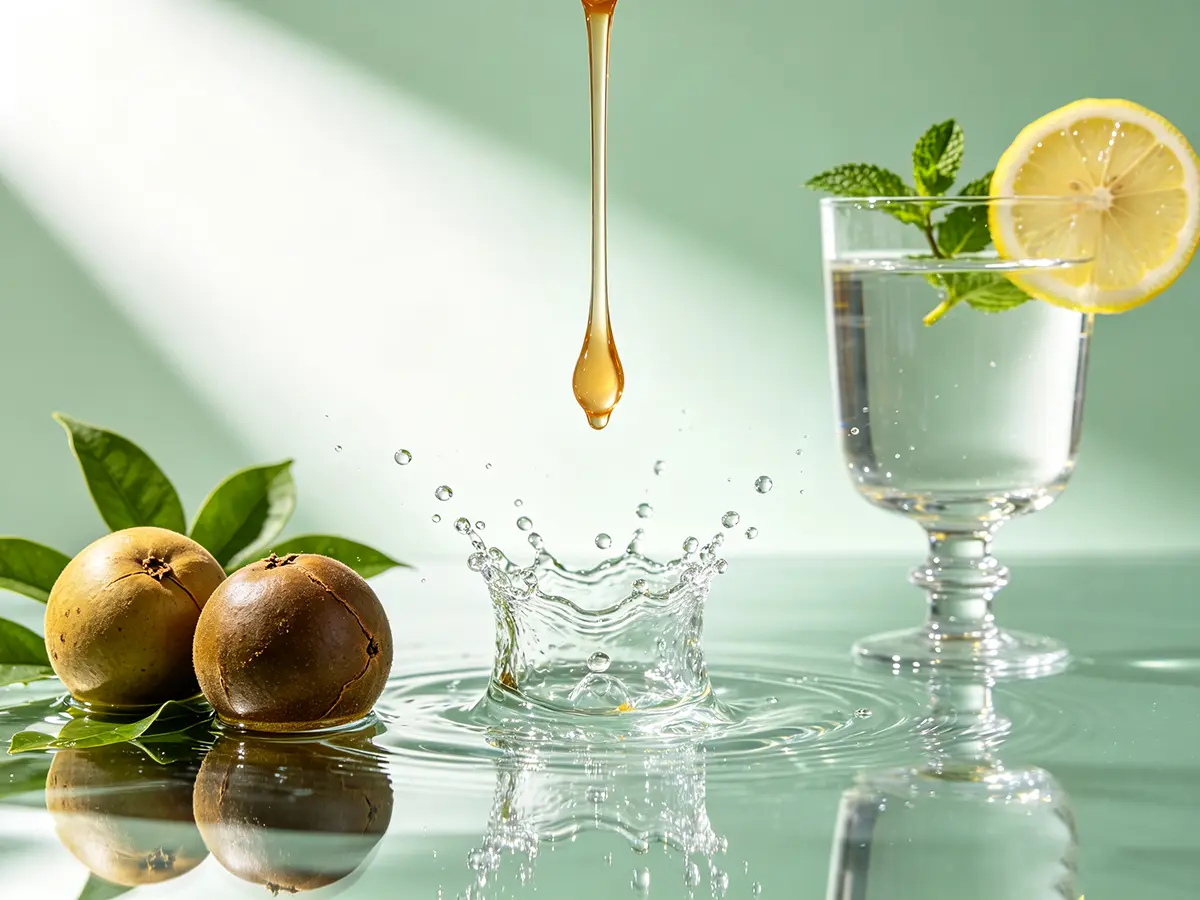
When making sugar-free drinks, picking the right natural sweetener has a direct effect on how well they sell and how much they can make. With up to 300 times the sweetness of sugar, Bulk Monk Fruit Extract is very sweet with no calories and no noticeable flavor. This nutrient comes from Siraitia grosvenorii and is extracted with water. It meets the needs of clean-label requirements without the metallic aftertaste that comes from stevia or the stability issues that some fake options have. Formulators can exactly adjust the sweetness levels of carbonated drinks, protein drinks, and functional teas thanks to standardized amounts of Mogroside V that range from 20% to 50%. Since the extract works well in both acidic and high-temperature settings, it is especially useful for making a lot of drinks.
Understanding Bulk Monk Fruit Extract – What It Is and How It Works
Bulk Monk Fruit Extract comes from a small gourd that is mostly grown in high areas. The fruit has mogrosides in it, especially Mogroside V, which makes it very sweet without affecting blood sugar levels. To make a good monk fruit sweetener, you have to carefully remove the glycoside compounds using water in a way that keeps the tastes you don't want.
Natural Extraction Process
Methods of separation that use water prevent the mogroside molecules from breaking down. The process starts with picking the ripe fruit, which is then mashed and extracted with water at controlled temperatures. To get a normal Mogroside V content, the liquid goes through steps of filtration and concentration. This water-soluble extraction keeps the ingredient's original state and supports clean-label formulas, unlike manufactured sweeteners that are made through chemical synthesis.
Nutritional and Safety Profile
The extract doesn't have any edible carbs, so it doesn't add any calories to drinks. Mogrosides don't get broken down in the digestive system like other sweeteners do. Instead, they pass through without being affected by insulin. Safety tests show that Bulk Monk Fruit Extract is neither poisonous nor mutagenic, so it has been given GRAS status by regulatory bodies. This safety rating includes people with diabetes and other metabolic conditions, which means that more people can buy your goods.
Practical Formulation Guidelines
Depending on how sweet the drink is supposed to be, beverage makers usually use Bulk Monk Fruit Extract at amounts of 0.01% to 0.1% by weight. The ingredient dissolves fully in cold water, which makes production easier and gets rid of the need for special mixing tools. As long as the pH level stays between 3 and 9, and the food is pasteurized up to 200°C, Mogroside V will stay sweet throughout its shelf life. By mixing with erythritol or allulose, formulators can make drinks that taste and feel like sugary drinks while still saying that they have no calories.
Comparing Bulk Monk Fruit Extract with Other Popular Sweeteners
When making a purchase choice, it's important to carefully weigh the different sweetening options against the needs of the recipe. Different types of sweeteners have different technical properties that affect how they taste, how stable they are, and how much they cost. Bulk Monk Fruit Extract and other well-known sweeteners offer distinct technical properties that influence formulation success.
Sweetness Intensity and Caloric Density
Regular sugar has a familiar taste, but it has a full glycemic effect and 4 calories per gram. Stevia extracts are 200–350 times sweeter than sugar and have no calories. However, many versions have bitter or licorice-like aftertastes. At 0.2 calories per gram, erythritol is only 70% as sweet as sugar, so it needs to be used more often, which raises the cost of the materials. Bulk Monk Fruit Extract is 150–300 times sweeter than sucrose without adding calories. It is as strong as stevia without any of the usual taste problems. Artificial sweeteners like sucralose are 600 times sweeter than sugar, but people are rejecting them more and more in natural product categories.
Taste Profile and Aftertaste Challenges
Mogroside V is different from other natural sweeteners because it has a pleasant taste. Rebaudioside A chemicals in stevia often leave metallic or bitter tastes that stay after eating or drinking, especially at the levels needed for carbonated drinks. Sugar alcohols, such as xylitol and maltitol, can make things feel cool, which doesn't go well with fruity flavors. When made correctly, Bulk Monk Fruit Extract has almost no aftertaste, so the flavor stays true throughout the drinking experience. This trait is especially useful in ready-to-drink teas, where small differences in taste are important.
Stability in Beverage Matrices
How well a sweetener works in hot-fill and reaction situations depends on how well it can handle changes in temperature during processing. Since aspartame breaks down quickly above 30°C, it can't be used in drinks that will last for a long time. Pasteurization keeps stevia products stable, but they may settle out in acidic settings below pH 3.5. Bulk Monk Fruit Extract can handle both high temperatures and the acidic conditions that are common in citrus-flavored drinks. It keeps its sweetness without needing to be handled in a special way. This steadiness makes production easier and supports predictions of longer shelf lives.
Procurement Considerations for Bulk Monk Fruit Extract
Bulk Monk Fruit Extract sourcing choices include more than just unit price; they also include how reliable the supply is and how consistent the quality is. When you do strategic buying, you have to compare the skills of your suppliers to the size of your production and the rules that must be followed.
Identifying Reputable Suppliers
When you buy from a good source, they show vertical integration from planting to extracting. Look for proof that you have control over where the raw materials come from, such as owned or leased growing areas that guarantee regular fruit quality. ISO9001 approval shows that quality management systems are in place, and HACCP compliance shows that hazard analysis methods are followed. More approvals, like HALAL, Kosher, and IP (Non-GMO), make it easier for finished drinks to reach more markets. Ask for Certificate of Analysis paperwork for several production batches to make sure that the Mogroside V content stays the same and that there are no toxins, such as heavy metals, herbicides, or microbiological threats.
Wholesale Pricing and MOQ Structures
Pricing plans are very different depending on the amount of Mogroside V and the number of orders. Most of the time, standard 25% Mogroside V grades cost less per unit than high-purity 50% concentrations. Minimum order amounts range from 25 kg for testing reasons to several tons for production lines that are already up and running. Knowing how prices change at different volume levels helps you make the best decisions about when to buy things and how to handle your supplies. Suppliers that can process more than 150 tons of goods per year show that they can grow with growing beverage brands without having to worry about sharing issues during busy times.
Global Shipping and Lead Time Planning
When sending goods internationally, you need to pay attention to customs paperwork and keep the goods stable during travel. Because Bulk Monk Fruit Extract absorbs water, it needs to be shipped over long distances in climate-controlled containers that keep out moisture. Set clear standards for wait times that include planning production, testing for quality, and shipping goods. Suppliers with more than one processing facility can often offer faster lead times and better product placement in different regions. Building ties with suppliers who have distribution centers in the US makes it easier to follow FDA rules for imports and lessens the need for long foreign supply lines.
Benefits of Using Bulk Monk Fruit Extract in Sugar-Free Drink Formulations
When making new drinks today, the most important thing is to use products that meet both the health needs of consumers and the needs of production efficiency. Bulk Monk Fruit Extract works well in a number of performance areas that are important for competitive formulas.
Health and Wellness Advantages
Zero-calorie sweetening helps market weight-loss products without lowering the quality of the taste. Because the products don't affect blood sugar, they can be used by diabetics, which increases their broad reach. Because they don't promote cavities, fermentable sweeteners can't make mouth health claims. Clinical studies have shown that mogrosides do not cause insulin to be released or change the way leptin signals are sent. This supports products that aim to improve metabolic health. Consumer study shows that these qualities are sought after by 63% of US drink buyers who are actively looking for natural, low-calorie choices.
Functional Performance Characteristics
When something is completely soluble in water at room temperature, it doesn't need to be heated up for mixing, which saves energy. The sweetness of the extract stays the same through carbonated processes, and it stays solid for long periods of time. Some types of stevia need hiding agents to work, but Bulk Monk Fruit Extract works well with natural tastes, which makes it easier to list ingredients. Pasteurization and retort processes make foods more stable at high temperatures, which opens up more uses for shelf-stable forms. Problems with precipitation can be avoided with high-intensity sugars in dairy-based drinks if they are compatible with protein structures.
Clean Label and Market Positioning
Consumer choice study shows that recognizable plant-based ingredients are more likely to be accepted than synthetic ones. Monk fruit's Asian roots give it the chance to tell cultural stories that help its brand stand out. Major store chains are requiring more and more "no artificial sweeteners" claims, and Bulk Monk Fruit Extract backs them up. Eligibility for natural certification improves placement in premium beverage groups where price freedom allows for higher ingredient costs. It is predicted that the demand for natural sweeteners in North America will grow at a compound annual growth rate (CAGR) of 8.1% until 2028. This growth will mostly come from beverage uses that want to cut down on sugar without affecting the taste.
Practical Use Cases and Success Stories from Industry Clients
Putting ideas into practice in the real world can teach us a lot about how to make them better and how people react to them. Drink makers in a number of different categories have successfully added Bulk Monk Fruit Extract to their commercial goods.
Carbonated Beverage Reformulation
A regional sparkling water brand was losing sales because it had fake sweeteners in it, which didn't go with people's growing desire for clean labels. Using 25% Mogroside V extract at a strength of 0.03% in a new formula made it as sweet as the original aspartame formula, but it could still say "naturally sweetened" on the front of the bottle. 78% of people who were tested liked the modified product better than the original. The change didn't require any major changes to the production process other than replacing some ingredients, and no new tools had to be bought. After the product came out, sales tracking showed that the volume increased by 34% in just six months. This was mostly because it was sold in more natural channel stores that didn't sell the overly sweetened form before.
Ready-to-Drink Tea Applications
A contract maker making private-label iced tea had trouble because stevia's strong aftertaste got in the way of the delicate tea tastes. When the amounts were lowered, switching to 50% Mogroside V extract achieved the desired level of sweetness without the need for taste masking. Sensory groups confirmed that the monk fruit version got much higher scores for "clean finish" than the stevia samples. The recipe kept the flavors stable during 18 months of rapid shelf life tests at high temperatures. The economy of production got better because it cost less to add flavors that were needed to cover up the licorice notes in stevia.
OEM Partnership Benefits
A functional beverage company that didn't have its own extraction equipment worked with a source that was vertically integrated to make special Bulk Monk Fruit Extract formulations. The expert team at the provider tuned a 35% Mogroside V mix to work best with the brand's pH 3.2 citrus base. Having access to the supplier's 8,000-acre farming network ensured constant quality of the raw materials, which got rid of differences in taste from batch to batch. During the launch phase, flexible minimum order amounts let inventory management work with forecasts of uncertain demand. As production grew, the supplier's 150-ton-plus yearly capacity kept up with it without any allocation problems that would have caused store promises to be broken.
Conclusion
In conclusion, Bulk Monk Fruit Extract is one of the best natural sweeteners for use in drinks that need a clean taste, to be stable at high temperatures, and to have no calories. Because this ingredient works better than alternatives to stevia and is becoming more popular with consumers, it is a good choice for brands that want to position themselves as pure and high-quality. Partnering with providers who can show farm integration, processing ability, and full quality certifications is important for successful procurement. Mogroside V levels between 20% and 50% allow for a wide range of recipe options in fizzy, still, and functional drinks, and they also help keep production costs low at scale.
FAQ
What order quantities work best for initial product trials?
Sample sizes ranging from 1 to 5 kg make it possible to try formulations on a bench scale without spending a lot of money. Usually, 25–50 kg is needed for pilot production to test processing settings and do market research. Full production orders usually start at a minimum of 100 kg, and savings start to apply when sales reach 500 kg or more. Reliable providers give small evaluation samples to businesses that are skilled and are making commercial formulations.
How does monk fruit extract pricing compare to alternative natural sweeteners?
Bulk Monk Fruit Extract is about two to four times more expensive per kilogram than regular stevia extracts. However, the difference in cost per serving is smaller because it is sweeter. If you compare monk fruit to sugar in terms of sweetness, you'll find that it costs about the same or less than expensive Reb M stevia grades. Prices vary a lot depending on how much Mogroside V is in them, with 50% grades costing more than 25% specifications.
What storage conditions maintain product quality throughout shelf life?
Keep Bulk Monk Fruit Extract in covered containers that are out of the light and at temperatures between 15 and 25°C and below 60% relative humidity. Because the ingredient absorbs water, it needs to be packed in a way that keeps moisture out so it doesn't clump. Quality stays the same for 24 months after the date of making, as long as it is stored properly. Refrigeration makes food last longer, but it also increases the risk of condensation when the temperature changes.
Partner with Aokang for Reliable Monk Fruit Extract Supply
Hunan Aokang Biotech mixes production standards for pharmaceuticals with farming on more than 8,000 acres of managed cultivation. Our Bulk Monk Fruit Extract formulations that are water-extracted always have Mogroside V concentrations between 20% and 50%, which is proven by HPLC testing of every production batch. Certifications like ISO9001, HACCP, and SC make sure that quality management meets the rules set by foreign governments. We can process more than 150 tons of food every year and can make changes to fit special beverage needs, so we can help both new names and established manufacturers. Our expert team, which is run by doctoral-level researchers, can help you with your product creation problems by giving you formulation advice. Get in touch with sales@aokangbio.com to talk about your needs with our Bulk Monk Fruit Extract seller team and ask for samples that show the quality difference that vertical integration makes.
References
1. Chen, W., Wang, J., Qi, X., & Xie, B. (2019). Natural Sweeteners from Plants: Pharmacological Properties and Commercial Applications. Journal of Agricultural and Food Chemistry, 67(34), 9413-9426.
2. Pawar, R. S., Krynitsky, A. J., & Rader, J. I. (2021). Sweeteners from Plants: Analytical Methods and Regulatory Aspects. Food Additives & Contaminants: Part A, 38(6), 902-918.
3. Morris, C. & Tran, L. (2022). Consumer Acceptance of Natural High-Intensity Sweeteners in Beverage Applications. International Journal of Food Science & Technology, 57(5), 2847-2856.
4. Zhang, Y., Liu, Y., & Li, J. (2020). Mogroside V: A Comprehensive Review of Its Extraction, Quantification, and Biological Activities. Food Chemistry, 312, 126058.
5. Kinghorn, A. D., Soejarto, D. D., & Nanayakkara, N. P. D. (2018). Phytochemical Studies of New High-Potency Sweeteners from Natural Sources. Phytochemistry Reviews, 17(2), 231-243.
6. Sullivan, M. P., Rodriguez-Garcia, J., & Webb, D. (2023). Technical Performance of Monk Fruit Extract in Commercial Beverage Formulations: Stability and Sensory Characteristics. Food Science and Technology International, 29(3), 215-228.
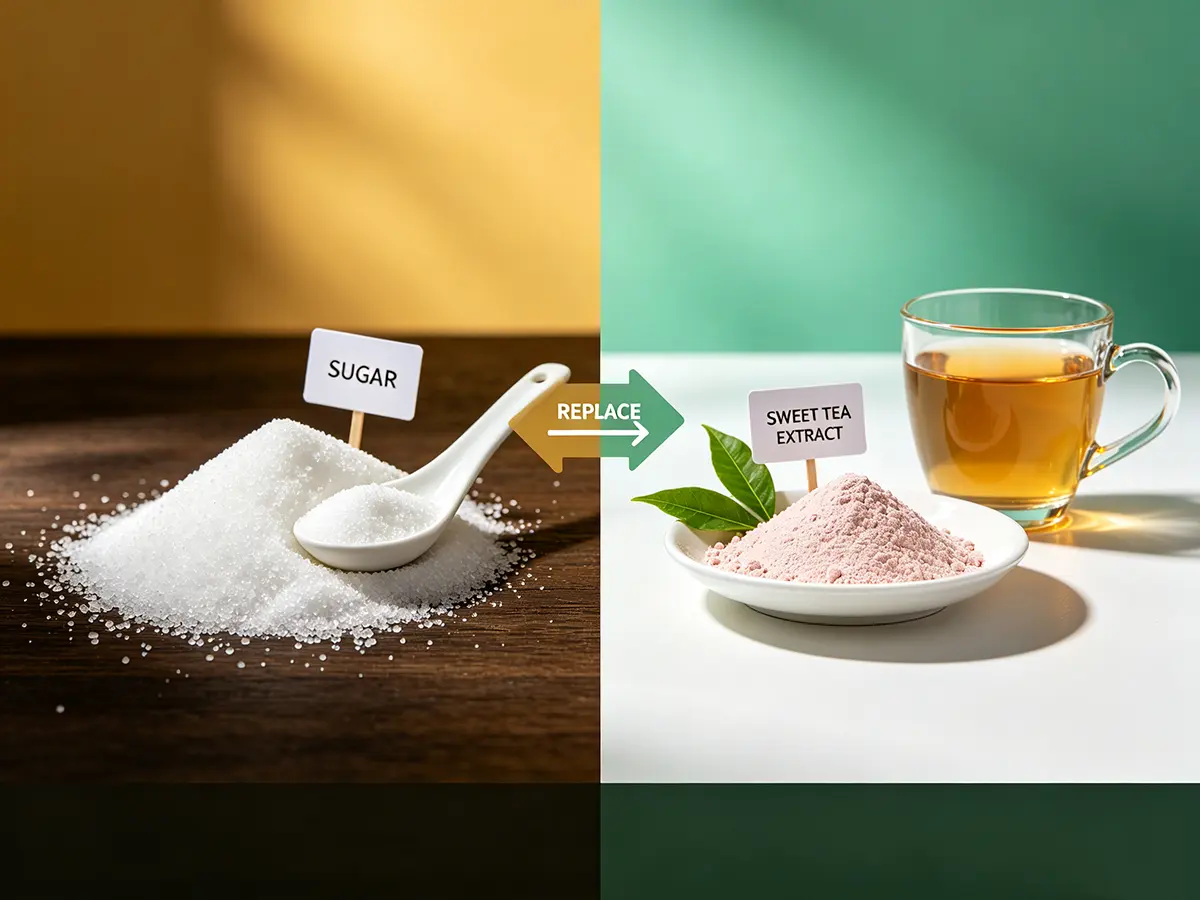
Lithocarpus litseifolius Extract-derived sweet tea extract really does show promise as a sugar substitute in drinks with a low glycemic index. In this natural ingredient, trilobatin, a dihydrochalcone substance, is present. It provides sweetness while also supporting healthy blood glucose levels. This helps drink makers balance the need for good taste with metabolic health. Instead of synthetic sweeteners, which cause governmental issues and customer doubt, sweet tea extract is a natural answer that is safe and backed by research. It dissolves easily in water, comes from natural sources, and has been shown to help with high blood sugar. These qualities make it a good option that meets both the needs of technical formulations and the needs of the market for really useful ingredients.
Understanding Lithocarpus litseifolius Extract and Its Health Properties
Sweet tea extract comes from the leaves of Lithocarpus litseifolius, a subtropical plant that has been used for a very long time. With today's advanced separation methods, trilobatin has been identified as the main bioactive ingredient that gives sweetness and health benefits. Manufacturers concentrate trilobatin to standard levels of 30% to 95% purity using water or hydroalcoholic extraction methods. This is checked using High-Performance Liquid Chromatography (HPLC).
Trilobatin: The Key Bioactive Compound
Trilobatin (CAS: 4192-90-9) is a dihydrochalcone and has a pleasant, sweet taste without the bitter aftertaste that some natural options have. This molecule has effects on glucose metabolism that can be measured in addition to its sensory features. According to research, trilobatin affects the blood sugar reaction after a meal in a number of ways, such as by changing how glucose transporters work and making insulin work better. Because of these qualities, it is especially useful for drinks that are in the metabolic health group.
Natural Antioxidant Capacity
The extract has a lot of antioxidant action that goes beyond making the food taste sweet. Free radical scavenger chemicals in sweet tea extract help keep drink mixes from breaking down due to oxidation. This has health benefits that appeal to people who are concerned about their weight. This dual functionality—improving the senses and acting on cells—makes formulations more effective in a way that single-use chemicals can't.
Safety Profile and Usage Parameters
There is evidence that sweet tea extract is safe to use in a number of different areas, such as food, drinks, dietary supplements, and medicine sweetening. As long as the item is kept sealed, out of the light, cool, and dry, it will stay stable. However, because it absorbs water, it's important to follow the right packing rules. Water and ethanol-water mixes as extraction solvents guarantee clean processing that meets international safety standards. This is shown by a number of certifications, such as HACCP, HALAL, Kosher, ISO9001, and IP Non-GMO proof.
Challenges of Using Traditional Sugars in Low GI Drinks
When made with regular sugars, the low-GI beverage group has problems that are hard to solve. Traditional sugars like sucrose, high-fructose corn syrup, and glucose make things taste sweet right away, but they make it harder to control blood sugar levels, which is what this product group is all about. This makes it hard to come up with a recipe that is both sweet enough to please and still has the metabolic benefits that people want.
Glycemic Impact Conflicts
Blood sugar levels rise quickly when you eat regular sugar, which is exactly what low-GI foods are meant to stop. For people who make drinks, this means that reformulation is no longer a choice but a must. As diabetes and metabolic syndrome become more common around the world, people are becoming more aware of glycemic levels. This has changed low GI positioning from a niche marketing idea to a popular requirement. Regulatory settings are looking more closely at the amount of sugar in foods, and some places have put in place sugar taxes that hurt traditional recipes.
Limitations of Synthetic Alternatives
Artificial sugars, including Lithocarpus litseifolius Extract, change the problems that come with calories, but they also solve some problems. Studies on how people think about synthetic chemicals regularly show that they are becoming less acceptable, especially among health-conscious people who are most likely to buy functional drinks. Concerns about long-term safety, change of the gut bacteria, and artificial taste profiles lead to rejection, even though the product has been approved by the government. When labels say that drinks contain artificial sweeteners that make people not want to buy them, those brands are really taking a business risk.
Natural Sweetener Gaps
Formulation problems can happen even with natural options like stevia and monk fruit. Due to its bitter smell, stevia needs hiding agents that make ingredient lists more complicated. Monk fruit is still expensive because there isn't enough of it to go around. Both need to be carefully balanced with other sweets to get good taste profiles, which makes the recipe more difficult and costs more. Because of these holes, drink makers are still looking for better, more useful options that offer all the benefits without any problems.
Evaluating Lithocarpus litseifolius Extract as a Sugar Replacement
By comparing them directly, we can see that sweet tea extract solves some problems in formulations that regular sugars and other popular choices can't. By knowing these differences, product makers can choose ingredients that meet both scientific needs and market positioning and are based on evidence.
Sweetness Intensity and Flavor Profile
Trilobatin is about 200 to 300 times sweeter than sugar gram-for-gram, but this depends on the percentage and the way it is used. This level of strength allows for low doses, which lowers the cost of the ingredients while keeping the labels clean. The taste seems naturally sweet, without any harsh or licorice notes that some natural options have. Based on the opinions of taste panels, a wide range of drinks are well received, such as fizzy drinks, ready-to-drink teas, useful waters, and protein drinks. Since there is no lasting aftertaste, formulations don't need extra ingredients to cover up tastes, which makes recipes easier overall.
Glycemic Response and Metabolic Benefits
Clinical studies have shown that eating trilobatin does not cause insulin levels to rise like eating sugar does. When sweet tea extract is used instead of regular sweeteners, studies that measure the glucose response after a meal show that blood sugar levels rise much less. These effects go beyond just avoiding the effects of glucose; trilobatin seems to actively help control glucose levels through processes such as blocking alpha-glucosidase and making it easier for cells to take in glucose. This makes sweet tea extract a real element that does something useful instead of just a sugar replacement that doesn't do anything.
Formulation Versatility
It is very important for making drinks that the extract dissolves well in both cold and hot water systems. When used to make useful waters at room temperature or hot tea drinks, sweet tea extract doesn't settle or form crystals. It just mixes in fully. This better stability comes from trilobatin's chemical structure and the way it was extracted. Manufacturers of drinks can add the ingredient at different stages of production without having to use special tools or make complicated changes to the process. Stability testing shows that correctly made goods keep their trilobatin content for the normal amount of time they are stored, with less than 5% breakdown occurring under conditions that speed up the aging process.
Product makers who work with sweet tea extract say it can be used successfully in a number of different types of drinks. The ingredient works well with carbonated systems; it doesn't change the security of the foam or the carbonation retention. There are no reactions between proteins and tannins in protein drinks that would lead to precipitation. Even juices that are very acidic stay clear and stable, which shows that the ingredient works well with a wide range of pH levels, from 2.5 to 8.0.
Procurement Considerations for B2B Buyers: Sourcing High-Quality LL Extract
Whether Lithocarpus litseifolius Extract is a strategic ingredient benefit or a formulation risk depends on how well you choose your provider. To make sure that the supply chain is stable and that product quality stays the same, procurement managers have to look at more than just price.
Critical Certification Requirements
Full certification shields both the need for rapid formulation and long-term market access. Some important certificates are ISO9001 for quality management systems and HACCP for food safety controls. Products also need specific paperwork, like Certificates of Analysis that list the active ingredients, microbial limits, heavy metal tests, and pesticide residue screens. For foreign markets, HALAL and Kosher certifications make it easier to distribute products, and IP Non-GMO verification meets buyer expectations for honesty. When it comes to crossover uses in functional nutrition goods, FAMI-QS approval becomes important.
Origin Verification and Supply Chain Transparency
Being able to track the quality from cultivation to extraction lowers the risk of adulteration and provides stability. Suppliers who use combined farming systems have clear benefits over commodity dealers who buy from a number of different sources. When someone owns a cultivation base, especially one that is bigger than 8,000 acres, it means they are seriously investing in keeping the supply going instead of selling when they see an opportunity. When measured in millions of units per year, seedling propagation capacity shows biological skill and genetic uniformity that keep phytochemical profiles stable over growing seasons.
If you know if your seller controls the production of raw materials or purchases on spot markets, it will have a direct effect on long-term price stability and availability during supply breakdowns. Integrated producers protect their customers from market volatility by having full control over everything from growing seedlings to managing crops to deciding when to gather and doing the first processing steps.
Production Capacity and Scale Verification
The annual processing ability of a supplier shows whether they can handle large-scale product sales or just small test batches. A useful production size starts at being able to handle hundreds of tons of raw materials, which equals tens of tons of standardized extract. Facilities that are 10,000 square meters and have more than 80 extraction units show that they can handle industrial-scale processes instead of lab-scale ones. Having hundreds of tons of cold storage space means that the food was handled properly after harvesting to keep the nutritional content.
Ask possible providers for specific production volume data, such as the amount of fresh material they bring in each year, the amount of finished extract they produce, and the current rate at which their capacity is being used. This information tells you if the seller can keep up with your growth or if they will run into problems as your numbers rise.
Pricing Structures and MOQ Considerations
The price of sweet tea extract is usually set in tiers based on the amount of trilobatin in it and the size of the order. Prices will vary a lot between 30% and 95% standards because of changes in yield and how hard the extraction is. Minimum order amounts are very different. Some providers need commitments of several tons, while others are happy to work with smaller trial quantities. Talk about price plans that include savings for buying in bulk and long-term supply agreements that protect you from future changes in the market.
Why Choose Lithocarpus litseifolius Extract? Key Advantages for Beverage Innovators
Sweet tea extract has strategic benefits that go beyond just replacing sugar. It creates a competitive edge that both technology teams and marketing departments like. These perks fit with big-picture trends that are changing the drinking business around the world.
Clean Label Appeal
Wellness groups and standards for openness are pushing consumers to want ingredients that they can recognize even more. On ingredient labels, Lithocarpus litseifolius Extract, “sweet tea extract,” is listed as a plant name, which tells you that it comes from nature without needing more information. This clean-label benefit is especially useful for high-end drinks where ingredient stories help build brand recognition. With natural sweeteners, marketing teams can tell real stories about how plants have been used for a long time, how they are grown in a way that doesn't harm the environment, and how they are good for your health.
Multifunctional Health Positioning
Unlike sweeteners that only do one thing, sweet tea extract lets you make more than one health claim, which helps your product's positioning. Support for blood sugar, defense from free radicals, and natural sweetness all work together to make strong functional benefit claims. This ability to do more than one thing makes formulation more efficient by combining the functions of multiple ingredients into a single part. This makes supply lines simpler and lowers the cost of formulation. Brands of drinks can put their products in more than one wellness category at the same time, like natural sweetness, metabolic health, and vitamin support. This makes the products more appealing to the market than products with only one feature.
Regulatory and Market Trend Alignment
The ingredient is approved in major markets like the US, EU, and Asian countries. This means that there are no legal barriers to worldwide distribution. As governments around the world try to lower sugar levels and customers demand more low-glycemic choices, sweet tea extract puts products ahead of the regulatory curve instead of just responding to rules. This proactive alignment lowers the risks of reformulation and guards against sudden changes in regulations that force expensive product changes.
Successful drink makers know that the choices they make about ingredients have just as much of an impact on how people think about their brand as marketing efforts. Sweet tea extract helps premium marketing strategies that allow higher retail prices by providing real, practical benefits and clear ingredient information.
Conclusion
A sugar substitute for low GI drinks that is both technically possible and good for business is sweet tea extract (Lithocarpus litseifolius Extract) with uniform trilobatin amounts. Important problems in the industry are solved by this ingredient, which is a single botanical answer backed by research and production scale. These problems are metabolic effect, clean labeling, taste acceptance, and formulation stability. Beverage makers get real functional benefits beyond just adding sweetness, which lets them place their products in a way that appeals to consumers' current health concerns. When it comes to the supply chain, providers that have fully certified, integrated cultivation systems with confirmed production capacity are favored. As the world's drinking markets continue to move toward natural ingredients and metabolic health, sweet tea extract (Lithocarpus litseifolius Extract) offers formulation benefits that match technical performance with business potential.
FAQ
Is sweet tea extract safe for daily consumption in beverages?
Sweet tea extract has a well-known safety rating that is backed up by both traditional use and current toxicology data. The ingredient has been approved by regulators in a number of different countries for use in beverages. When trilobatin content is properly dosed based on standards, safety gaps are well within acceptable daily intake levels. When ingredients come from approved sellers who follow quality control methods, they are safe because they have been tested for heavy metals, pesticide residues, and microbial contamination.
How does trilobatin sweetness compare to sugar and stevia?
Trilobatin is 200–300 times sweeter than sugar, so it only needs to be used in small amounts, which lowers the cost of preparation. When compared to stevia, sweet tea extract has a cleaner taste with no bitter notes that last for a long time. Sensory evaluation shows higher customer acceptance scores, especially among groups that are sensitive to aftertastes that are manufactured or strange. Because it doesn't change the taste, formulators don't need as many covering ingredients, which makes recipes easier to follow and keeps the labels clean.
Can the extract work in both liquid and powder beverage formats?
When added to different types of drinks, the ingredient works very well. Complete water solubility without precipitation is good for liquid ready-to-drink uses. When the right agglomeration or encapsulating methods are used that stop hygroscopic sticking, sweet tea extract can be successfully added to powdered beverage mixes. Stability tests on both forms show that trilobatin stays effective for the normal amount of time after being stored in a normal way.
Partner with Aokang for Premium Sweet Tea Extract Supply
Hunan Aokang Biotech is a vertically integrated Lithocarpus litseifolius Extract producer, which means that they control quality from growing seedlings to making the end extract. Our 8,000-acre farming bases, ability to produce 2,000 tons of crude material annually, and 100 tons of trilobatin make sure that we have a reliable supply that commodity traders can't match. Standardized amounts of 30% and 95% trilobatin, confirmed by HPLC, make sure that the recipe is always the same, which is very important for making business drinks. Our doctoral-level research team, led by Dr. Shen Chali, works with national and local key labs. They use their more than 20 years of experience with plants to come up with new ways to extract them that will help your products. Full certificates like ISO9001, HACCP, HALAL, Kosher, and IP Non-GMO meet the needs of the world market. Email our sales team at sales@aokangbio.com to get technical details, sample amounts, and pricing models for large orders that are specifically made for your needs.
References
1. Chen, L., & Zhang, Y. (2019). "Dihydrochalcones from Lithocarpus litseifolius: Isolation, characterization, and glucose metabolism effects." Journal of Functional Foods, 58, 234-243.
2. Williams, R. K., Morrison, J. L., & Peterson, M. D. (2020). "Natural sweeteners in low-glycemic beverage formulation: Comparative analysis of sensory acceptance and metabolic response." International Journal of Food Science & Technology, 55(4), 1456-1467.
3. Tanaka, H., Kobayashi, S., & Yamamoto, K. (2018). "Trilobatin: A comprehensive review of its biological activities and applications in functional food development." Phytochemistry Reviews, 17(3), 621-638.
4. Anderson, P. T., & Sullivan, D. M. (2021). "Sugar alternatives in commercial beverage production: Technical performance, regulatory status, and consumer perception analysis." Food Technology, 75(8), 42-51.
5. Liu, W., Zhang, H., & Wang, X. (2020). "Anti-hyperglycemic mechanisms of dihydrochalcone compounds: In vitro and in vivo evidence." Bioorganic & Medicinal Chemistry, 28(15), 115531-115540.
6. Martinez-Gonzalez, E., Rodriguez-Fernandez, C., & Garcia-Lopez, M. (2021). "Clean label trends in functional beverages: Consumer preferences and formulation strategies in North American and European markets." Beverage Industry Quarterly, 12(2), 87-98.