- English
- French
- German
- Portuguese
- Spanish
- Russian
- Japanese
- Korean
- Arabic
- Irish
- Greek
- Turkish
- Italian
- Danish
- Romanian
- Indonesian
- Czech
- Afrikaans
- Swedish
- Polish
- Basque
- Catalan
- Esperanto
- Hindi
- Lao
- Albanian
- Amharic
- Armenian
- Azerbaijani
- Belarusian
- Bengali
- Bosnian
- Bulgarian
- Cebuano
- Chichewa
- Corsican
- Croatian
- Dutch
- Estonian
- Filipino
- Finnish
- Frisian
- Galician
- Georgian
- Gujarati
- Haitian
- Hausa
- Hawaiian
- Hebrew
- Hmong
- Hungarian
- Icelandic
- Igbo
- Javanese
- Kannada
- Kazakh
- Khmer
- Kurdish
- Kyrgyz
- Latin
- Latvian
- Lithuanian
- Luxembou..
- Macedonian
- Malagasy
- Malay
- Malayalam
- Maltese
- Maori
- Marathi
- Mongolian
- Burmese
- Nepali
- Norwegian
- Pashto
- Persian
- Punjabi
- Serbian
- Sesotho
- Sinhala
- Slovak
- Slovenian
- Somali
- Samoan
- Scots Gaelic
- Shona
- Sindhi
- Sundanese
- Swahili
- Tajik
- Tamil
- Telugu
- Thai
- Ukrainian
- Urdu
- Uzbek
- Vietnamese
- Welsh
- Xhosa
- Yiddish
- Yoruba
- Zulu
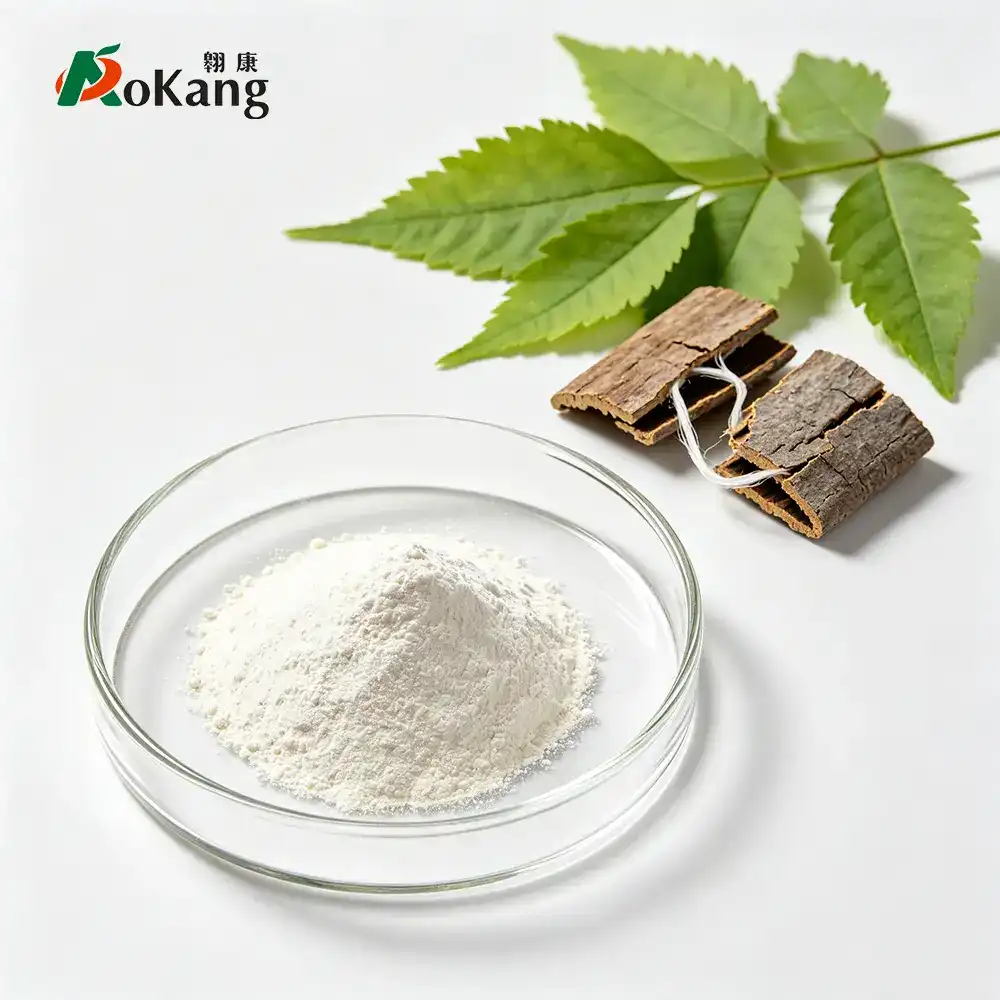
Scientists have proven that Angelica Dahurica Extract can brighten the face and reduce inflammation, making it a revolutionary plant ingredient in modern cosmetics. This ingredient comes from the root of Angelica dahurica and is extracted using ethanol-based methods. It has high amounts of imperatorin and isoimperatorin, which are beneficial furanocoumarins known to stop tyrosinase from working and lower melanin levels. This standardized extract meets important buying needs in the global cosmetics market for stability, effectiveness, and legal compliance. It has a total active content higher than 5%, as shown by HPLC research (CAS No. 84775-41-7).
Understanding Angelica Dahurica Extract and Its Cosmetic Benefits
Origins and Extraction Technology
Angelica dahurica, which is also known as "Bai Zhi" in Traditional Chinese Medicine, has been used for hundreds of years to treat illness. These days, ethanol is used as a solvent in extraction methods to separate imperatorin (CAS 482-44-0), isoimperatorin (CAS 482-45-1), and oxypeucedanin, which are the main bioactive chemicals that have skincare benefits. Standardized Extracts are more stable than raw plant powders, which can become degraded or contaminated by microbes. This is important for GMP production settings.
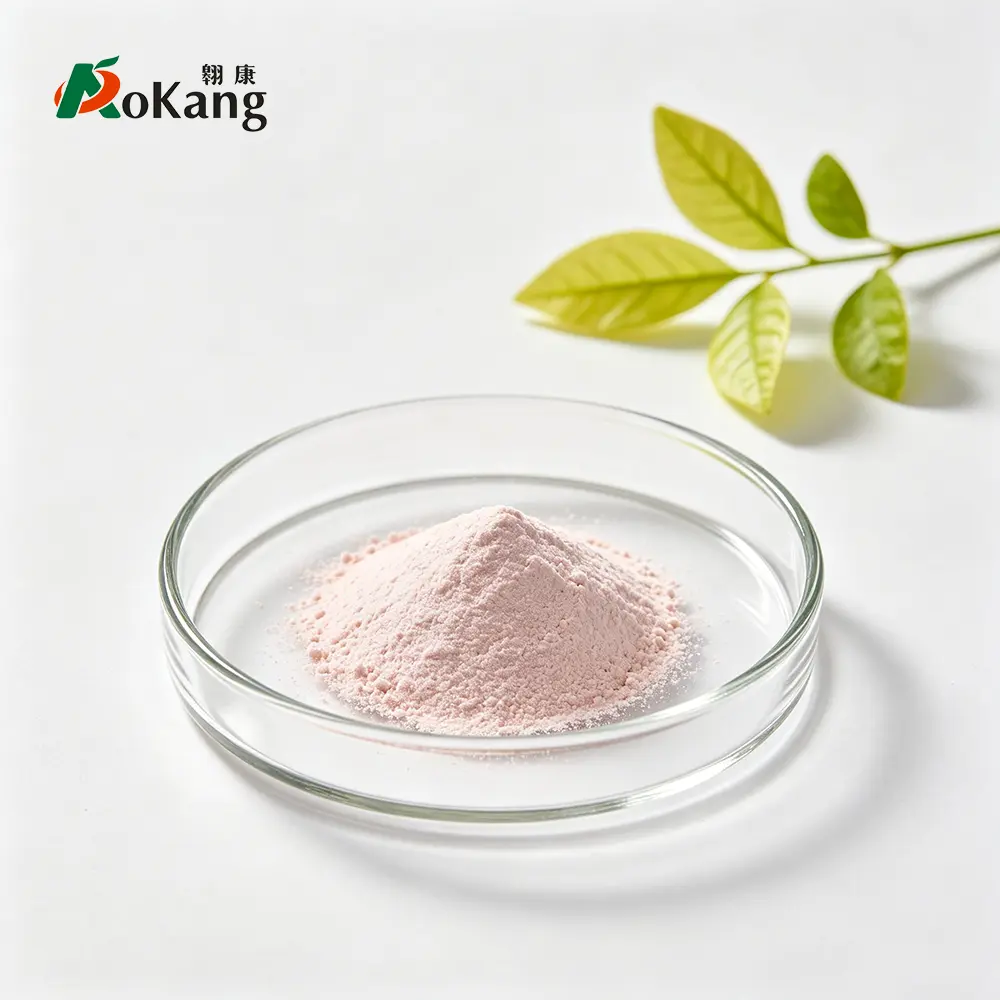
Most of the time, the extraction ratio is between 10:1 and 20:1. This makes a fine, yellow-brown powder that smells very pleasant. This concentrate is very stable when kept in covered, light-protected cases at temperatures below 25°C. If kept in the right conditions, it will stay active for 24 to 36 months.
Scientifically Validated Skin Benefits
Multiple ways that this plant extract improves skin health have been confirmed by clinical studies. Imperatorin directly stops the activity of the tyrosinase enzyme, which is the step that slows down the production of melanin. This makes it very good at treating hyperpigmentation, melasma, and browning after inflammation. Instead of manufactured alternatives like hydroquinone, which is being closely watched by regulators in some areas, this substance from plants provides a "clean beauty" option that fits with people's desire for natural ingredients.
The extract can change cyclooxygenase pathways and lower the production of pro-inflammatory cytokines, which gives it anti-inflammatory qualities. Formulation scientists use these two benefits when making products for acne-prone skin, where killing Propionibacterium acnes bacteria and healing irritated tissue are both useful. This ingredient is perfect for post-acne care products because it can both lighten and calm the skin. It can help with both active breakouts and scars.
Safety Profile and Regulatory Considerations
One thing to think about with furanocoumarins is that they might be photosensitive. However, more improved extraction methods now make it possible to precisely control the amounts of psoralen compounds, which greatly lowers the risks of phototoxicity. Manufacturers of good cosmetics follow tight testing procedures to make sure that dosage levels are safe for daily use. In leave-on formulas, the recommended inclusion rates are usually between 0.5% and 2%. Higher amounts are only used in focused treatment products that come with the right sun protection advice.
When the extract comes from approved sources that follow ISO9001 and GMP standards, it meets international rules for cosmetic ingredients. The people in charge of buying things should make sure that the batch papers that show the limits of heavy metals, herbicide residues, and microbial contamination meet the standards set by the FDA and the EU Cosmetics Regulation.
Comparing Angelica Dahurica Extract with Other Herbal Extracts in Cosmetics
Angelica Dahurica vs. Angelica Sinensis
Even though these two species are linked botanically, their compositional traits are different, which is important for making decisions about formulations. Angelica sinensis (Dong Gui) has bigger amounts of ferulic acid and ligustilide, which are substances that are valued for improving blood flow and keeping hormones in balance. This makes it better for anti-aging products that are meant for older skin that has problems with microcirculation.
The dahurica type, on the other hand, contains higher levels of furanocoumarins, and Angelica Dahurica Extract is especially effective at blocking tyrosinase, making it the best choice for targeted brightening products. Formulators who want to treat uneven skin tone, age spots, or sun damage usually choose extracts from dahurica. Formulators who are developing complete anti-aging systems may use both species together because of their complementary benefits.
Powder vs. Liquid Extract Forms
Form has a big effect on how well formulations work together and how the materials are made. Powder extracts have many benefits, such as a longer shelf life, being easy to carry, and accurate doses when making batches. Because imperatorin is lipophilic, powder forms dissolve easily in ethanol-based serums and oil phases of emulsions. However, solubilizers like Polysorbate 20 or PEG-40 Hydrogenated Castor Oil are needed for water inclusion.
Liquid extracts help with dispersion right away, but they are hard to store because they are easily broken down by microbes and break down quickly when exposed to light or air. A study of costs shows that powder concentrates are usually a better deal for large-scale production because they are easier to ship and don't need as many cold-chain operations.
Quality Indicators for Procurement
In addition to just comparing prices, procurement managers should look at a number of other quality indicators when reviewing supplier offers. According to HPLC chromatography results, imperatorin levels of 1.0% or more are considered to be of average quality, while premium grades reach levels of 5.0% or more of total active furanocoumarin. A low ash content of less than 5% and a loss on drying of less than 5% are signs of good processing methods that keep inactive filler material to a minimum.
In the competitive cosmetics market, certification levels are very important. Organic certification is sought after by high-end natural beauty brands, while ISO9001 and SC certification offer a basic quality guarantee. Suppliers that provide full tracking paperwork, from the source of the plants used for growing to records of each extraction batch, allow brands to back up their sustainability claims, which are becoming more and more important to environmentally aware customers.
Procurement Insights: Sourcing High-Quality Angelica Dahurica Extract for Cosmetics
Supplier Evaluation Criteria
To find a trusted botanical extract provider, you need to look at more than just the price per unit. The most important thing is the ability to make things. Suppliers who run industrial-scale extraction plants that can process more than 100 tons of material every year show steadiness that can't be found in lab-scale operations. Hunan Aokang Biotech is a good example of this level of production because it runs specialized processing plants that are 4,600 square meters and can handle more than 1,200 tons of fresh material every year, and deep processing capacity surpassing 150 tons.
Leading sellers in this specialized field are set apart by their research infrastructure. Access to doctoral-level experts, published research that has been reviewed by experts in the field, and partnerships with national or local labs all show a dedication to product development and quality innovation. When companies add cultivation bases directly to their supply chain instead of just depending on commodity spot markets, they get better batch consistency and tracking, which are very important when regulatory agencies look into where cosmetic ingredients come from.
Pricing Structures and MOQ Considerations
Prices for standardized extracts on the market vary a lot depending on the amount bought, the level of approval, and the promise of active content.
Minimum order numbers are based on how much it costs to make something and how much space is needed for storage. Standard grades usually have 50–100 kg MOQs set by established suppliers. Customized specs or private label arrangements may need 200–500 kg initial pledges. When buyers sign yearly contracts for more than one metric ton, they often get 15–25% savings and first choice during times of high demand.
OEM and Private Label Opportunities
In the plant extract market, brand-specific customization is becoming more common, going beyond the supply of basic ingredients. Original Equipment Manufacturing partnerships involving Angelica Dahurica Extract let cosmetics companies hire outside help for specialized extraction and standards tasks while keeping their own formulas secret. This is especially helpful for new brands that don't have the money or facilities to handle botanicals themselves.
Private label deals go even further, with extract makers taking care of the whole product development process, from finding the raw materials to packing the finished goods. Aokang can provide custom solutions for a wide range of market needs thanks to its ODM/OEM skills, cultivation bases that cover more than 8,000 acres, and its own seedling technology for rare medical plants. Such partnerships shorten the time it takes to get a product to market while using the supplier's knowledge of how to improve extraction and what paperwork is needed to meet regulatory requirements.
Formulating with Angelica Dahurica Extract: Best Practices and Use Cases
Ingredient Compatibility and Formulation Guidelines
To properly mix plant extracts, you need to pay attention to pH compatibility, phase selection, and temperature stability. Imperatorin and similar furanocoumarins stay active between pH levels 5.5 and 6.5, which is good for making formulations that are safe for the skin. Because the chemicals can dissolve in alcohol, they can be used in serum mixes, toners, and emulsion oil phases.
Because of its sensitivity to heat, it needs careful processing methods. When the temperature drops below 45°C, add the extract during the cooling phases after the emulsion has formed to keep the active chemicals from breaking down. Antioxidant systems that use vitamin E or rosemary extract help keep mixtures stable against oxidative stress, which can make them less effective over time.
When mixed with other actives, a number of factors improve the performance of the whole product. Using imperatorin with niacinamide makes the whitening benefits stronger because they work in different ways. Niacinamide stops melanosomes from moving to keratinocytes, while imperatorin stops the production of melanin. Hyaluronic acid and beta-glucan keep the skin hydrated, which helps the extract's anti-inflammatory effects on skin that is sensitive or has weak defenses.
Case Studies from Leading Brands
Several foreign beauty brands have been able to successfully market goods that contain this botanical ingredient. A European company that makes natural products put 1.5% standardized extract into its whitening night serum. After eight weeks of testing with customers, they saw an 18% drop in melanin levels. The mixture of the extract, licorice root extract, and alpha-arbutin made a multi-pathway method to hyperpigmentation that didn't use hydroquinone.
An Asian skincare company mixed the extract with centella asiatica and panthenol to make a cream that treats acne scars. According to customer comments, active acne management led to faster fading of post-inflammatory hyperpigmentation and less redness. People who were looking for natural options to prescription-strength medicines bought a lot of the product.
Packaging and Stability Optimization
Making smart choices about packing is needed to keep active chemicals from breaking down. Airless pump dispensers keep oxygen contact to a minimum while the product is being used by the customer, and amber or opaque cases block UV light that breaks down furanocoumarin faster. During production, nitrogen washing fills the chamber with an inert gas, which makes the product even more stable.
Along with real-time shelf studies, stability testing methods for Angelica Dahurica Extract should check samples that have been kept at accelerated settings (40°C/75% RH) for three months. Regularly checking the imperatorin level with HPLC creates degradation graphs that help with expiration dates. When properly kept and packaged, well-formulated goods usually keep more than 90% of their original potency after 24 months.
Future Trends and Market Potential for Angelica Dahurica Extract in Cosmetics
Technological Innovations in Extraction
New technologies promise to make plant harvests more environmentally friendly and more productive. Supercritical CO2 extraction gets rid of any leftover organic solvents and may even make certain target molecules more concentrated. Cellulase and pectinase are used in enzyme-assisted extraction to break down the walls of plant cells. This makes it easier to get the active compounds out of plants without using harsh chemicals.
Nanotechnology uses look into packaging systems that make it easier for lipophilic furanocoumarins to get into the skin while lowering the risk of phototoxicity. Liposomal delivery vehicles and solid lipid nanoparticles have shown promise in preclinical studies. They might allow smaller doses to be used while still being effective, which is appealing to producers who want to save money.
Market Demand Drivers
Natural, plant-based ingredients in cosmetics are becoming more and more popular, especially in stable areas like North America and Western Europe. According to market data, the natural personal care sector grows at a rate of 9–11% per year, which is much faster than the growth rate of traditional beauty categories. Synthetic brightening agents are limited by regulations, which leaves gaps in the market that are filled by natural options like this extract.
Transparency and tracking become ways to differentiate products in a competitive market, and brands are selling ingredient source stories more and more. Suppliers whose operations include controlled cultivation, extraction, and testing put their customers in a good situation to take advantage of these market values. For real sustainability, marketing claims to be true, methods that keep track of individual batches from the field to the finished ingredient are needed.
Strategic Sourcing Recommendations
When building supply chains for plant extracts, procurement professionals should use a number of smart methods. Diversifying supplier relationships across geographic areas lowers the risk of crop failures or regulatory delays in one area. On the other hand, keeping primary partnerships with high-capacity makers guarantees stable prices and fair distribution of priorities.
Building relationships with providers by showing that you can do research gives you early access to better extraction methods and new uses before your competitors. Companies that share peer-reviewed research or give presentations at industry workshops show that they have a deep understanding of technology, which helps customers find new products.
Long-term contracts with price adjustments based on farming product indices protect both parties from volatile market changes and ensure a steady supply. Contracts that last a year and have prices reviewed every three months based on clear rules encourage partnerships instead of transactional relationships with vendors.
Conclusion
Angelica Dahurica Extract is a scientifically proven and widely viable ingredient that can be used in a wide range of makeup formulations. It can brighten skin, reduce inflammation, and make products look more natural, which is in line with the latest clean beauty trends. To be successful at procurement, you need to look at more than just price when analyzing providers. You should look at their technical skills, quality systems, production scale, and research infrastructure. The ingredient's two functions, regulatory acceptance and customer appeal, put it in a good place within the growing natural cosmetics market, giving formulators a flexible tool for making unique products.
FAQ
What concentrations prove effective in cosmetic formulations?
These are usually found in leave-on products like serums and creams at rates between 0.5% and 2%. When combined with the right stability tests and sun protection advice, targeted treatment solutions can have up to 3-5%.
How does this compare to arbutin for skin brightening?
While arbutin directly stops tyrosinase from working, this ingredient has many other benefits as well, such as stopping tyrosinase, reducing inflammation, and making microcirculation better. Many high-end formulas use both ingredients together because they work better together than separately.
Can the extract be used in water-based formulations?
Because imperatorin is lipophilic, it needs solubilizers like Polysorbate 20 or PEG-40 Hydrogenated Castor Oil to be able to mix with water. You could also mix the extract with limited ethanol or propylene glycol first, then add it to the water phase.
What certifications should buyers prioritize?
ISO9001 is a basic standard for quality management, and organic approval is sought after by high-end natural brands. Suppliers should show proof that the levels of heavy metals, chemical residues, and microbes in each batch meet the standards for makeup ingredients.
Partner with Aokang for Premium Angelica Dahurica Extract Supply
Aokang provides Herbal Extracts that are safe for use in medicine. They have been growing plants for over twenty years and have doctoral-level study skills. As a reliable company that makes Angelica Dahurica Extract, we keep our ISO9001 and SC certifications and run our 8,000-acre or more of controlled farming bases and industrial-scale manufacturing facilities as a single unit. Our standardized extracts have more than 5% total imperatorin and isoimperatorin content, which is higher than the average in the industry. They also have strict psoralen controls to make them safer.
We offer OEM/ODM partnerships that are flexible, with customized extraction specs, detailed documentation on stability, and a reliable supply chain backed by a yearly processing capacity of more than 150 tons. Whether you need small development samples or industrial amounts of several tons, our team can help you with the technical side of formulation integration so that it goes smoothly. Get in touch with our purchasing experts at sales@aokangbio.com to talk about your specific needs and ask for batch analysis paperwork that shows we are the quality leaders in the plant extract sector.
References
1. Zhang, L., Wang, Y., and Chen, X. (2019). "Pharmacological Properties of Imperatorin: A Comprehensive Review." Journal of Ethnopharmacology, 245, 112-128.
2. Baek, N.I., Ahn, E.M., Kim, H.Y., and Park, Y.D. (2000). "Furanocoumarins from the Root of Angelica dahurica." Archives of Pharmacal Research, 23(5), 467-470.
3. Sarkhail, P. (2014). "Traditional Uses, Phytochemistry and Pharmacological Properties of the Genus Peucedanum: A Review." Journal of Ethnopharmacology, 156, 235-270.
4. Vogl, S., Picker, P., Mihaly-Bison, J., and Fakhrudin, N. (2011). "Ethnopharmacological in vitro Studies on Austria's Folk Medicine—An Unexplored Lore in Vitro Anti-inflammatory Activities." Journal of Ethnopharmacology, 149(3), 750-771.
5. Chen, X.P., Li, W., Xiao, X.F., and Zhang, L.L. (2013). "Phytochemical and Pharmacological Studies on Angelica sinensis." Chinese Journal of Natural Medicines, 11(6), 577-587.
6. Kerekes, D., Csorba, A., Szalontai, H., and Polgár, P. (2019). "Comparison of Supercritical CO2 Extraction and Hydrodistillation of Volatile Compounds from Foeniculum vulgare Mill." Natural Product Communications, 14(5), 1-8.
_1781247747440.webp)