- English
- French
- German
- Portuguese
- Spanish
- Russian
- Japanese
- Korean
- Arabic
- Irish
- Greek
- Turkish
- Italian
- Danish
- Romanian
- Indonesian
- Czech
- Afrikaans
- Swedish
- Polish
- Basque
- Catalan
- Esperanto
- Hindi
- Lao
- Albanian
- Amharic
- Armenian
- Azerbaijani
- Belarusian
- Bengali
- Bosnian
- Bulgarian
- Cebuano
- Chichewa
- Corsican
- Croatian
- Dutch
- Estonian
- Filipino
- Finnish
- Frisian
- Galician
- Georgian
- Gujarati
- Haitian
- Hausa
- Hawaiian
- Hebrew
- Hmong
- Hungarian
- Icelandic
- Igbo
- Javanese
- Kannada
- Kazakh
- Khmer
- Kurdish
- Kyrgyz
- Latin
- Latvian
- Lithuanian
- Luxembou..
- Macedonian
- Malagasy
- Malay
- Malayalam
- Maltese
- Maori
- Marathi
- Mongolian
- Burmese
- Nepali
- Norwegian
- Pashto
- Persian
- Punjabi
- Serbian
- Sesotho
- Sinhala
- Slovak
- Slovenian
- Somali
- Samoan
- Scots Gaelic
- Shona
- Sindhi
- Sundanese
- Swahili
- Tajik
- Tamil
- Telugu
- Thai
- Ukrainian
- Urdu
- Uzbek
- Vietnamese
- Welsh
- Xhosa
- Yiddish
- Yoruba
- Zulu
People often wonder if Acanthopanax Senticosus Extract is better than regular ginseng when they are looking at adaptogenic ingredients for health products. The answer depends on your design goals and the people you want to reach. Acanthopanax Senticosus Extract, which is also called Eleuthero or Siberian Ginseng, has similar adaptogenic effects but also has some unique benefits, such as being better at dissolving in water, being more stable at high temperatures during processing, and having a milder stimulating profile without the risks of overstimulation that come with Panax species. This extract is a great choice for B2B buyers who want stable supply lines, reliable eleutherosides content (0.8%–1.8% by HPLC), and cheaper alternatives to premium ginsengs. It should be seriously considered in product development strategies.
Introduction
Adaptogenic plants have gone from being interesting in traditional medicine to being key ingredients that drive innovation in the pharmaceutical, functional food, and nutritional industries. When people talk about buying these things, two names keep coming up: Acanthopanax Senticosus Extract and different kinds of ginseng. Both are in the Araliaceae family and have qualities that help the body deal with physical, chemical, and biological stresses. But their molecular profiles, processing properties, and business uses are very different in ways that formulation scientists and supply chain managers find important.
The global market for adaptogens keeps growing as more people look for natural ways to deal with stress, boost their immune systems, and improve their brainpower. This growth brings both chances and problems for people who make products, because they have to balance things like cost, safety, effectiveness, and following the rules. Knowing the subtle differences between these plants helps you make smart choices about where to get them that fit your market position and keep your prices low. This in-depth study answers important questions about buying things by looking at where the plants come from, what their active ingredients are, how they're extracted, quality standards, and useful sourcing guidelines that can help you make smart choices in today's competitive B2B world.
Understanding Acanthopanax Senticosus Extract and Ginseng
Botanical and Biochemical Distinctions
The plant Acanthopanax Senticosus Extract, which is now known as Eleutherococcus senticosus, comes from the roots and rhizomes of a thorny bush that grows naturally in Northeast Asia, mostly in Russia, China, Korea, and Japan. Eleutherosides, especially Eleutheroside B (syringin, CAS 118-34-3) and Eleutheroside E (syringaresinol diglucoside, CAS 39432-56-9), are the main medicinal substances. They are lignan and phenylpropanoid glycosides. The ginsenosides (triterpenoid saponins) found in real ginsengs like Panax ginseng (Asian ginseng) and Panax quinquefolius (American ginseng) are very different from these parts.
True ginsengs have more than 30 different ginsenosides, which are grouped into protopanaxadiol and protopanaxatriol groups. These are what give them their strong, but sometimes too exciting, effects. According to a clinical study, Panax species have stronger effects on the hypothalamic-pituitary-adrenal axis. This may be why some users feel jittery or have trouble sleeping when they take bigger doses. On the other hand, the eleutherosides in Acanthopanax Senticosus Extract work in a different way. They change the immune reaction by activating macrophages and help mitochondria make energy without stimulating the central nervous system too much.
Pharmacological Mechanisms and Traditional Applications
Both herbs have been used in Traditional Chinese Medicine for hundreds of years, but they have traditionally been applied in different herbal categories. Ginseng has long been recognized as a valuable botanical ingredient and is commonly featured in traditional herbal formulations. In contrast, Acanthopanax Senticosus Extract has been used in different types of traditional preparations and occupies a distinct position within herbal practice. Modern Scientific Research has shown that these historical distinctions are associated with differences in their phytochemical composition, which are important considerations for ingredient selection and modern formulation development.
Comparative Analysis: Benefits, Dosage, and Safety Profiles
Immunomodulatory and Anti-Fatigue Properties
When adaptogenic ability is studied in clinical studies, both similarities and important differences are found. A study with athletes showed that taking Acanthopanax Senticosus Extract at normal eleutheroside doses greatly improved markers of physical performance and lowered cortisol levels after exercise compared to a placebo. It had about the same amount of effects as Panax ginseng, but people reported much less anxiety and problems with their sleep patterns.
The ways that these adaptogens help the immune system are very different. The polysaccharide parts of Acanthopanax Senticosus Extract turn on complement pathways and boost phagocytic activity. Ginsenosides, on the other hand, mostly work by changing the levels of cytokines and T cells' ability to differentiate. This difference is important for formulation scientists who are making seasonal immune support goods because it helps them make multi-ingredient blends that work well together or choose the right partner nutrients.
Acanthopanax Senticosus Extract can help fight tiredness in part by changing how glucose is used and how mitochondria are made. According to research, eleutherosides increase the activity of glucose-6-phosphate dehydrogenase. This helps make NADPH, which is needed for cells to make energy. This process works separately from stimulant pathways, which explains why the prolonged energy support is seen without the rebound tiredness that can happen with formulations that use stimulants.
Safety Considerations and Contraindications
One of the most important real differences for product makers is the safety profile. Acanthopanax Senticosus Extract is well tolerated by a wide range of people, and in clinical studies, the rate of adverse events was usually the same as with a control. Because it doesn't have any major drug reactions, it can be used by a wider range of people, including those who take popular medications.
Panax ginsengs have longer lists of things that shouldn't be done with them. Because they can affect blood sugar, blood pressure, and hormone-sensitive diseases, they need to be carefully labeled, which may limit their market reach. Also, because ginseng might combine with blood thinners, diabetes medicines, and immunosuppressants, the product needs to be positioned more cautiously. Acanthopanax Senticosus Extract's lower risk profile often means fewer legal hurdles and a wider audience for OEM makers making goods for mass-market retail channels.
Dosages that are recommended also vary. Standardized Acanthopanax Senticosus Extract is usually between 300 mg and 1200 mg per day of an extract standardized to 0.8% to 1.5% eleutherosides. On the other hand, the right amount of ginseng to take varies a lot depending on the species and the amount of ginsenosides it contains. Acanthopanax Senticosus Extract has a bigger therapeutic window, which makes it easier to make new formulations and lowers the risk of dose-related side effects that could lead to customer complaints or worries about product liability.
Market Comparison: Product Forms, Quality, and Extraction Methods
Commercial Forms and Bioavailability Considerations
Acanthopanax Senticosus Extract mostly comes in the form of spray-dried powders that are set to a certain amount of eleutheroside. This gives B2B buyers options for how to make the mix. Using water-ethanol mixes in the hydroalcoholic extraction process makes extracts that dissolve easily in water, which is very helpful for beverage applications, oral liquids, and instant drink formulas where full dissolution is needed. A 10:1 to 20:1 extract ratio gives you increased bioactivity while keeping dosing amounts that are easy to handle for making capsules and tablets.
The results of bioavailability studies show that eleutherosides are well absorbed in the digestive system. Bacteria in the gut partially break down the glycoside structures, releasing aglycone forms that are better at being taken up by cells. This normal process of conversion happens the same way in all people, which helps explain why the clinical benefits seen in studies can be repeated.
The market is mostly made up of capsules and tablets, but functional drinks and protein powders are also using the extract more and more because it is stable at high temperatures and doesn't have a strong flavor, as many plant products do. The small particle size (95% passing 80 mesh) makes sure that powder mixes are evenly distributed. This stops segregation problems during high-speed encapsulation or tableting processes, which could affect tests for content uniformity.
Extraction Technologies and Quality Markers
Modern methods of extraction have a big effect on the quality and accuracy of the finished product. The hydroalcoholic extraction method used for high-quality Acanthopanax Senticosus Extract goods makes sure that the eleutherosides are recovered efficiently while also removing as few unwanted tannins and resins as possible, which could change the taste and stability of the product. Purely water-based extractions, on the other hand, may produce more polysaccharides but fewer standardized marker chemicals.
High-Performance Liquid Chromatography (HPLC) is the best way to measure Eleutherosides B and E because it is very specific, which is something that older UV spectrophotometry methods can't do. USP compliance makes sure that there is consistency from batch to batch, which is important for clinical effectiveness and regulatory paperwork. Purchasing managers should give more weight to sellers who provide detailed HPLC chromatograms and Certificates of Analysis that show both marker chemicals separately, rather than totals that show both of them together, which could hide profiles that aren't balanced.
Quality standards must be met by having a third-party test for heavy metals, herbicide residues, and microbial pollution. Certifications like ISO9001, HACCP, HALAL, Kosher, and non-GMO proof meet the needs of a wide range of markets and show that a provider is dedicated to thorough quality systems. The stable profile, when stored properly (locked, out of the way of light, cool, and dry), guarantees a 24-month shelf life, which helps with managing inventory and shipping goods around the world.
Procurement Considerations for B2B Buyers
Supplier Qualification and Quality Assurance
To find dependable Acanthopanax Senticosus Extract providers, you need to do more than just compare prices. When compared to brokers who get their products from different sources, vertically integrated businesses that control cultivation, basic processing, and extraction offer better traceability and stability. Suppliers with farming bases that are more than a few thousand acres show that they can provide a stable, long-term supply, which lessens the price and availability changes that come with wild-harvested or traded materials.
Another important qualification requirement is the ability to make things. Processing more than 100 tons of standard extract every year shows that the infrastructure is stable and can support big business partnerships, rather than small-batch specialty operations that can't keep up with rising brand demands. Modern processing plants with full analysis labs, quality control systems, and cold storage keep the purity of the product throughout the supply chain.
Instead of just showing reports from a few great batches, documentation packages should include reports from multiple batches that show consistent standard compliance over time. Stability studies done in real-time and sped-up conditions give trust in shelf-life claims, which is important for planning forecasts and supplies. Regulatory support documents, such as allergy statements, GMO status declarations, and region-specific compliance certificates, make it easier for target markets to register products.
Cost Structures and Supply Chain Optimization
The price of standardized Acanthopanax Senticosus Extract depends on how much eleutherosides they contain. Material with a concentration of 0.8% usually sells for 20–30% less than material with a concentration of 1.5%. By buying in bulk on a pallet or container, you can save a lot of money per kilogram. However, you need to carefully predict demand in order to find the minimum order amounts that match the best cost-effectiveness with the costs of keeping inventory and the shelf-life limits of the products.
Lead times from Asian producers are usually between 30 and 60 days, which includes planning production, making sure the quality is good, and sending the goods internationally. Strategic buyers set up framework deals with clear buying windows. This lets suppliers plan the best production runs and may even help them get better prices by promising to buy a lot. Payment terms also affect the total cost of ownership. Many established suppliers offer net-30 or net-60 terms to approved buyers, which is better for managing working capital than the advance payment terms that smaller vendors usually require.
Logistics issues involve more than just freight costs. They also involve clearing borders, filling out paperwork for government agencies, and storing goods. Suppliers who have experience with international trade can provide commercial bills, phytosanitary certificates, and other paperwork needed for easy customs clearing. This lowers the risk of expensive delays or rejections in shipments. Understanding differences in regional regulations, especially when it comes to the status of new foods and the requirements for import permits, can help you avoid costly compliance problems that are only found after the order arrives.
Decision-Making Framework: Is Acanthopanax Senticosus Extract the Better Choice?
Strategic Product Positioning Analysis
Choosing between Acanthopanax Senticosus Extract and ginseng relies on how the product is positioned, the people it's meant for, and the market plan, not on which is generally better. Acanthopanax Senticosus Extract works especially well in formulas that focus on gentle, long-lasting adaptogenic support that can be used every day for a long time by a wide range of people. Its safer profile and lack of overstimulation risks make it a good choice for products that are aimed at health-conscious customers who want balance rather than quick performance boosts.
Ginseng still has benefits for high-end products where the ingredient's traditional prestige and well-known customer appeal support higher costs. Asian markets have a strong ginseng brand value that Acanthopanax Senticosus Extract can't fully copy. However, Western markets are becoming more aware of ginseng as scientific literature grows and customer education improves.
Combination formulas are becoming more and more common. They use the complementary effects of these adaptogens along with other plants, such as Rhodiola rosea or Ashwagandha. These synergistic mixes let formulators maximize benefits while minimizing individual ingredient loading. This lets them make unique goods with full adaptogenic support profiles.
Real-World Application Insights
Feedback from contract makers and brand owners shows that Acanthopanax Senticosus Extract works well in finished goods in a consistent way. Its neutral organoleptic profile makes taste optimization easier than with strongly flavored plants. This is because it doesn't need as many sweeteners and masking agents, which add to the cost of preparation and make labels more complicated. Because it is thermally stable, it can be used in a number of processing methods, such as UHT beverage treatments and straight compression tableting, without worrying about it breaking down.
Market study on consumer acceptance shows that goods get high marks for customer happiness when they clearly explain benefits in easy-to-understand language instead of counting only on botanical name recognition. Acanthopanax Senticosus Extract-based goods are easier to market when they have educational material that explains how they work and how they are different from stimulants. This is especially true as consumers become more knowledgeable about functional ingredients.
Conclusion
Instead of making general decisions, finding out if Acanthopanax Senticosus Extract works better than ginseng requires looking at particular formulation goals, target markets, and product positioning. Acanthopanax Senticosus Extract has many benefits, such as good safety ratings, better aqueous solubility, heat stability, and low cost, which make it a great choice for many industrial uses. Its milder adaptogenic profile, which doesn't pose the risk of overstimulation, makes it a good choice for daily use items that are meant for a wide range of consumers. On the other hand, ginseng still has a competitive edge in high-end goods and certain areas where it is well-known from traditional use. To make the best choices about which ingredients to use, procurement professionals should compare these factors to their strategic goals and look at things like supplier skills, quality systems, and the reliability of the supply chain.
FAQ
Can Acanthopanax be combined with ginseng in formulations?
Yes, putting these adaptogens together makes products that work better by using processes that work together. Acanthopanax Senticosus Extract's ability to boost the nervous system and provide long-lasting energy goes well with ginseng's ability to improve memory and performance right away. Depending on the effects you want, the best amounts for Acanthopanax Senticosus Extract to ginseng are usually between 1:1 and 2:1. Make sure that the total amount of adaptogens used stays within the safety limits that have already been set, and think about how this might affect sensitive groups over time.
What dosage forms work best for large-scale production?
Standardized spray-dried powder extracts give manufacturers the most options for how to make their products. They can be used for filling capsules, compressing tablets, adding them to drinks, and mixing powders. The fine mesh size (80 mesh) and middling bulk density (0.45-0.65 g/ml) make it easy for automated tools to use. Stick packs and ready-to-mix forms are becoming more popular in the functional beverage area because they make it easy for customers to get the extract, as it dissolves in water.
How can buyers verify extract authenticity and potency?
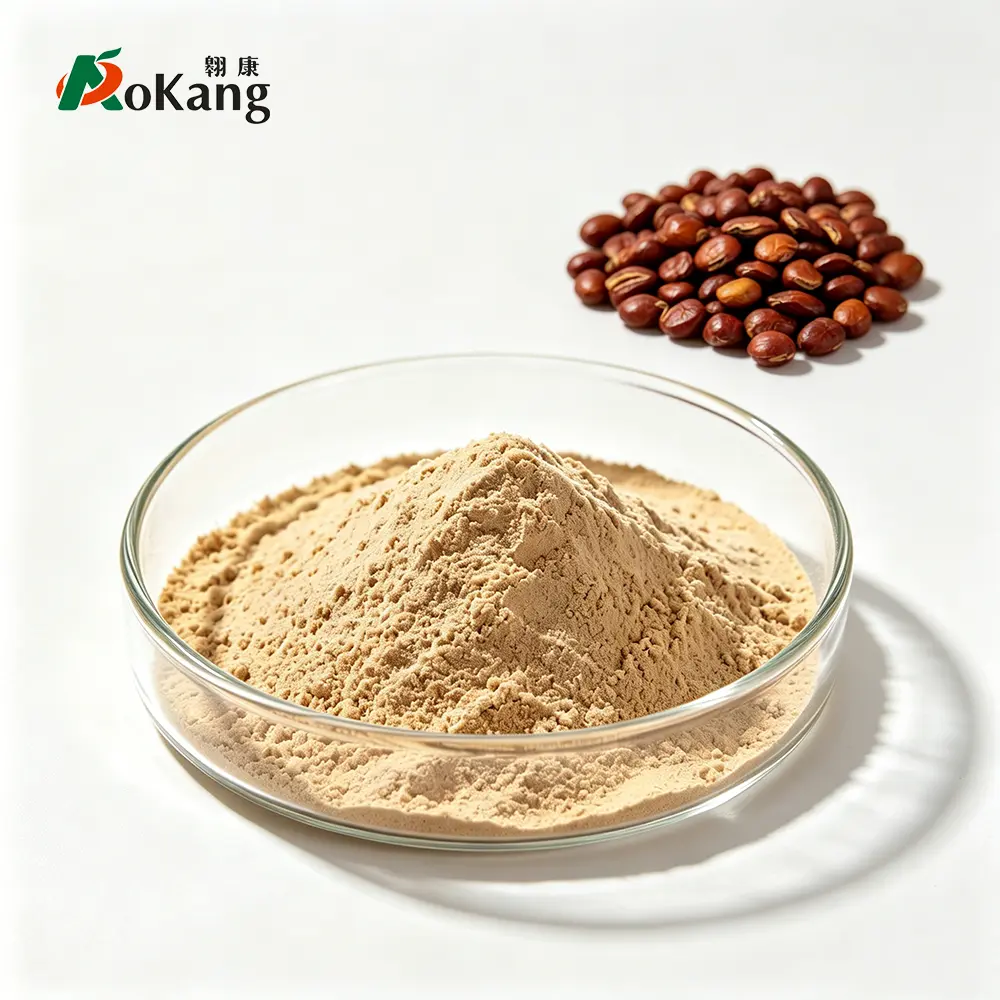
Ask for specific HPLC chromatograms that show both Eleutheroside B and E bands, along with their retention times and amounts. Peak designs that are unique to authentic material can be told apart from those of adulterants. Additional proof comes from third-party certificates from approved labs. On closer inspection, you should find a fine, brownish-yellow powder that smells like wood. If a supplier doesn't want to provide full analytical evidence, you should be wary of the accuracy of the material.
Partner with Aokang for Premium Eleuthero Extract Supply
Hunan Aokang Biotech is ready to help you buy Acanthopanax Senticosus Extract. They have vertically integrated supply capabilities that make sure their products are always consistent and reliable. Our company takes care of more than 8,000 acres of controlled farming bases that provide stable sources of raw materials. Our doctoral research team, which is led by Dr. Shen Chali, makes sure that every part of production is done with scientific accuracy. We provide the standard eleutherosides content (0.8%–1.8% by HPLC) that you need for your products. We have ISO9001 and SC certifications, a processing capacity of more than 150 tons per year, and a lot of quality paperwork, such as COA, HACCP, HALAL, and Kosher certificates. Our ODM/OEM customization options meet the specific needs of each market, and our competitive pricing and expert help make sure that your product development goes smoothly. You can talk to our team at sales@aokangbio.com about your needs and find out why top supplement brands trust Aokang as their Acanthopanax Senticosus Extract provider.
References
1. Panossian, A., and Wikman, G. "Pharmacology of Schisandra chinensis Bail.: An overview of Russian research and uses in medicine." Journal of Ethnopharmacology, vol. 118, no. 2, 2008, pp. 183-212.
2. Davydov, M., and Krikorian, A.D. "Eleutherococcus senticosus (Rupr. & Maxim.) Maxim. (Araliaceae) as an adaptogen: a closer look." Journal of Ethnopharmacology, vol. 72, no. 3, 2000, pp. 345-393.
3. Huang, L., Zhao, H., and Huang, B. "Pharmacological and clinical properties of Siberian ginseng." Phytotherapy Research, vol. 25, no. 11, 2011, pp. 1577-1583.
4. Cicero, A.F., Derosa, G., and Brillante, R. "Effects of Siberian ginseng (Eleutherococcus senticosus maxim.) on elderly quality of life: a randomized clinical trial." Archives of Gerontology and Geriatrics Supplement, vol. 38, 2004, pp. 69-73.
5. Bleakney, T.L. "Deconstructing an adaptogen: Eleutherococcus senticosus." Holistic Nursing Practice, vol. 22, no. 4, 2008, pp. 220-224.
6. Schmid, D., Lehmann, M., and Meng, S. "Comparative analysis of ginsenosides and eleutherosides in commercial adaptogenic supplements." Pharmaceutical Biology, vol. 51, no. 8, 2013, pp. 1034-1041.