- English
- French
- German
- Portuguese
- Spanish
- Russian
- Japanese
- Korean
- Arabic
- Irish
- Greek
- Turkish
- Italian
- Danish
- Romanian
- Indonesian
- Czech
- Afrikaans
- Swedish
- Polish
- Basque
- Catalan
- Esperanto
- Hindi
- Lao
- Albanian
- Amharic
- Armenian
- Azerbaijani
- Belarusian
- Bengali
- Bosnian
- Bulgarian
- Cebuano
- Chichewa
- Corsican
- Croatian
- Dutch
- Estonian
- Filipino
- Finnish
- Frisian
- Galician
- Georgian
- Gujarati
- Haitian
- Hausa
- Hawaiian
- Hebrew
- Hmong
- Hungarian
- Icelandic
- Igbo
- Javanese
- Kannada
- Kazakh
- Khmer
- Kurdish
- Kyrgyz
- Latin
- Latvian
- Lithuanian
- Luxembou..
- Macedonian
- Malagasy
- Malay
- Malayalam
- Maltese
- Maori
- Marathi
- Mongolian
- Burmese
- Nepali
- Norwegian
- Pashto
- Persian
- Punjabi
- Serbian
- Sesotho
- Sinhala
- Slovak
- Slovenian
- Somali
- Samoan
- Scots Gaelic
- Shona
- Sindhi
- Sundanese
- Swahili
- Tajik
- Tamil
- Telugu
- Thai
- Ukrainian
- Urdu
- Uzbek
- Vietnamese
- Welsh
- Xhosa
- Yiddish
- Yoruba
- Zulu
Alisma Extract is a magical food because it controls many metabolic pathways through triterpenoid compounds, especially 23-Acetate Alisol B. This bioactive ingredient helps with managing blood sugar, controlling blood lipids, and making urine all at the same time. These are three important health problems that can be fixed by a single natural extract. An extract from Rhizoma Alismatis is different from many other plant-based ingredients because it blends old medical knowledge with current phytochemical accuracy. Because of this, businesses that make advanced nutrition supplements, functional foods, and drug formulations that aim to improve metabolic health can really benefit from it.
Understanding Alisma Extract: An Overview of Its Unique Herbal Properties
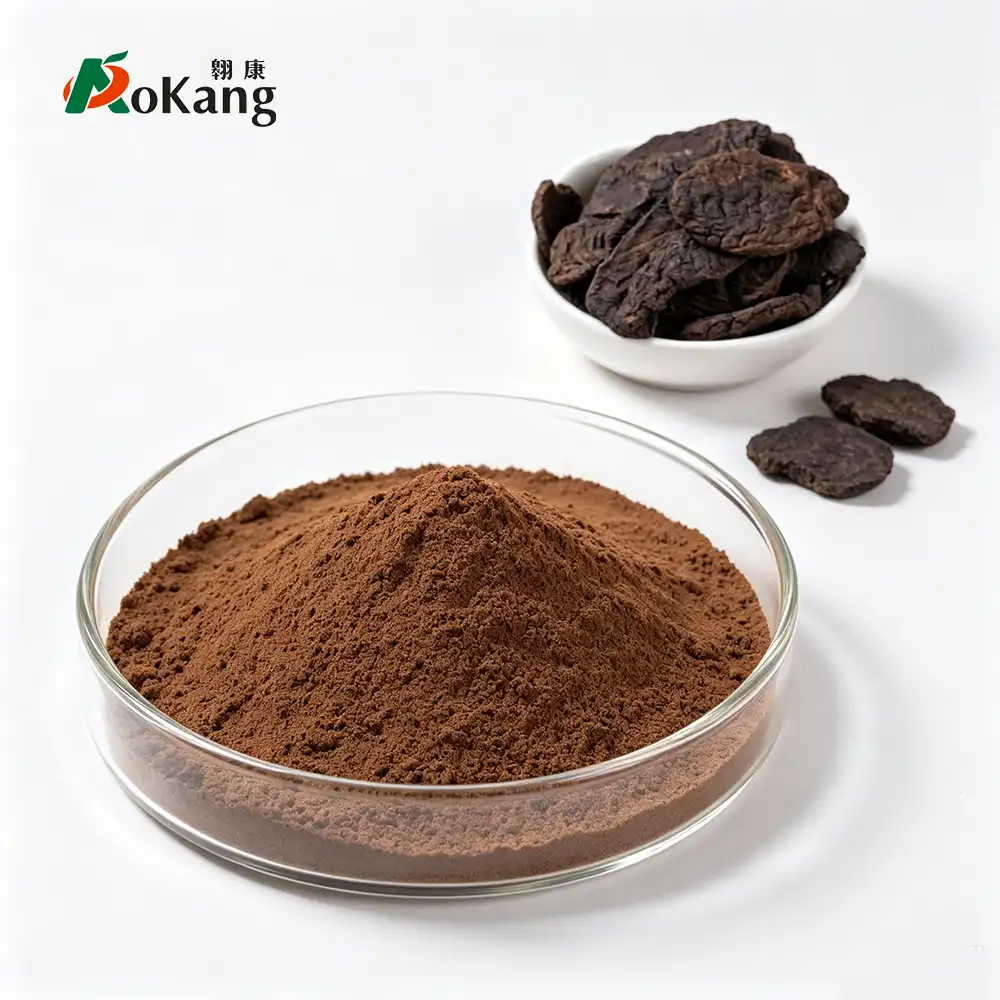
This amazing element comes from the rhizomes of the water-loving plant Alisma orientale. For hundreds of years, this plant has been grown in swampy parts of East Asia. For a long time, people who practice Traditional Chinese Medicine have known that it can be used as medicine, especially to treat water retention and make the bladder system healthier. The simple rhizomes have been ground up into a fine powder that is known to contain the right amount of protostane-type triterpenoids. There are health benefits to the plant that come from these ingredients.
Botanical Origins and Traditional Applications
It is best for Alisma plantago-aquatica to be grown in controlled watery environments. This way, the right amount of medicinal chemicals can be made. When rhizomes are gathered, they are cleaned, dried, and ethanol is used to remove the plant material. Following these steps will keep heat-sensitive triterpenoids safe and get rid of plant parts that aren't needed. Drug books from the past say that this traditional plant can treat diseases related to water, make the kidneys work better, and keep the body's fluid balance healthy.
Key Phytochemical Components
The triterpenoid makeup of this extract is what makes it healing. It has Alisol A, Alisol B, and the very important 23-Acetate Alisol B (CAS: 26575-95-1). When these things are kept in protected, dark, dry, and cool places, they are amazingly stable. Manufacturers can use High-Performance Liquid Chromatography (HPLC) to check triterpenoid levels between 0.5% and 2.5% in the lab. This makes sure that the stability from batch to batch is what regulators need. The extract has triterpenoids and carbohydrates, and if you ask, you can dilute them up to 50%. These do extra things to help the defense system.
Scientific Validation Supporting Efficacy
Experts in the field looked over research that was published in journals of metabolic science and found that Alisol chemicals stop cholesterol from esterifying at the level of the cell. It helps keep cholesterol levels in a safe range. These triterpenoids have mild aquaretic effects that help the kidneys work better. This means that they help the body get rid of water without taking away important nutrients like magnesium and potassium, which is what most man-made diuretics do. Pharmacological files show that this ingredient can help with a number of health problems because it reduces inflammation and kills germs. And this gives R&D teams strong scientific proof to back up what products say they can do.
The Multifaceted Benefits of Alisma Extract for Health and Wellness
Alisma Extract can perform multiple biological functions, making it highly valuable for purchasing managers seeking metabolic health products. Its ability to support several interconnected aspects of health makes it an excellent choice for developing comprehensive wellness solutions rather than products designed to address only a single concern.
Kidney Health and Natural Diuretic Properties
The substance is best known for its mild diuretic effect, which helps the kidneys work without mixing up the fluids in the body. Loop diuretics can make you lose minerals. The natural chemicals in Rhizoma Alismatis extract help your pee flow and keep your body in balance. Because of this, it works great in recipes that help people who have mild water retention, bloating, or who want natural support for their kidney health throughout the year.
Antioxidant and Detoxification Mechanisms
Triterpenoid molecules are very good at getting rid of free radicals. This keeps cell structures safe from oxidative stress, which makes getting older faster. The extract's antioxidant properties work with the body's natural ways of getting rid of waste to help clean it out. These properties can be used by formulators of anti-aging vitamins or products for cell health to create mixes that improve many aspects of metabolic health at the same time.
Weight Management and Lipid Regulation
It has been shown in studies that Alisol chemicals stop the intake of fats and help the body use cholesterol in a healthy way. People who want to lose weight can use these processes to change how their bodies break down fats from food. This extract can help supplement makers make products for metabolic syndrome, heart health, or weight loss that are based on studies. The material supports healthy blood cholesterol levels and fluid balance at the same time, which makes it a great choice for people who want full metabolic support.
Safe and Effective Use of Alisma Extract in B2B Procurement
When quality inspection teams look at this plant ingredient, they need to know how to use it, how safe it is, and what shape to use it in so that products can be made correctly and regulations are followed.
Recommended Dosages and Usage Scenarios
As a general rule, the food supplement business says that people should take between 500 mg and 1,000 mg of standardized extract every day. This range has good healing benefits, and it is judged to be safe. If you want to make useful drinks, you should know that regular powders don't mix well with water. There are grades that dissolve in water and grades that keep particles from forming in clear liquids. Giving medicine in capsule form is the best way to do it, but powder forms are more open because they can be mixed with maltodextrin or other plants or ingredients to make a new mix.
Safety Considerations and Contraindications
Adults who are in good health can generally tolerate Alisma Extract, but certain precautions should be observed. Pregnant or breastfeeding women should avoid Alisma Extract due to insufficient safety data for these populations. Individuals taking prescription laxatives or medications that affect electrolyte balance should consult a healthcare professional before using products containing Alisma Extract. During manufacturing, Alisma Extract requires careful handling because of its strong moisture absorption properties. To prevent caking and maintain product quality, Alisma Extract should be stored below 25°C in fiber drums lined with double-layer PE bags and equipped with desiccants.
Product Format Comparisons for Manufacturing
When mixing more than one element in a difficult way, powder forms are more useful for custom ratio blending and OEM/ODM uses. You have to be more careful about keeping them dry while they're kept, but getting them in bulk costs less. There are fixed mesh sizes (usually 80 mesh or less) for powders that are ready to be put into capsules. This lets high-speed packaging tools do their best work. Handling steps are cut down for pre-encapsulated forms, but there aren't as many ways to make them unique. When supply chain managers pick forms for their production settings, they have to think about the pros and cons of manufacturing freedom and dealing with complexity.
Comparing Alisma Extract with Other Popular Herbal Extracts
Teams that work on making kidney support or diuretic products often look at more than one type of plant. When procurement staff know how this extract compares to other options, they can make better decisions about where to get things.
Alisma Versus Dandelion and Corn Silk Extracts
There are a lot of vitamins and minerals in dandelion root juice, which makes it a good choice for nutritional support items. The corn silk extract helps the urinary tract in a gentle way and doesn't have much drug power. Rhizoma Alismatis extract is unique because it has triterpenoid activity that has been studied a lot. This means that it has better metabolic effects that are backed by a lot of pharmaceutical studies. Dandelion and corn silk are both good for you when mixed in small amounts, but Alisma Extract is better for specific metabolic health uses, like lowering cholesterol or getting rid of extra water in the body. This is because it has a more consistent chemical makeup.
Purity Standards: Organic Versus Conventional Sources
The approved organic Alisma Extract costs more, but it can help brands sell to people who care about their health and want to support farms without pesticides. Conventional sources that pass strict tests for heavy metals and herbicide residues (using GC-MS/MS to look at more than 400 chemicals) are just as safe and cost less. Many times, people choose between organic and normal types based on how the brand is positioned rather than how they work, since both go through the same steps of extraction and standards. ICP-MS tests for lead, arsenic, cadmium, and mercury are one way that quality control makes sure that all types meet international safety standards, no matter how they were grown.
Identifying Reliable Suppliers and Brands
People who buy from other businesses should trust sellers more if they have a lot of different certificates, like ISO9001, HACCP, HALAL, Kosher, SC, FAMI-QS, and IP (Non-GMO) checks. Over the supply chain, suppliers who own farms bigger than 8,000 acres are more in charge than middlemen who buy from contract farmers who are spread out. Geographic origin is important—material from Sichuan generally has more Alisol, which is why proof of origin is needed. Thin Layer Chromatography (TLC) profiling against confirmed reference materials shows that the plant is the right type and stops people from buying fakes.
Procurement Insights for B2B Clients: Sourcing Alisma Extract Efficiently
When purchasing Alisma Extract, the people in charge of sourcing ingredients should understand how the market works, how prices are determined, and the practical challenges that need to be considered when procuring this botanical ingredient.
Identifying Wholesale and Direct Suppliers
You don't have to pay markups to agents when you work directly with a maker. You can also talk easily about things like production plans, customization options, and technical specs. Growing the plants, extracting the oils, and processing them are all done by the same company. This means that they can offer more uniform amounts and better tracking than dealers who get their oils from different places. In order to help clients get the best dosing and absorption from finished goods, manufacturers with R&D teams run by PhDs offer helpful technical support during recipe development.
Pricing Trends and Bulk Purchasing Advantages
On the market, the price of standardized extract usually changes based on how much triterpenoid it contains. Grades with 2.5% triterpenoid tend to fetch higher prices than grades with 0.5% triterpenoid. When it comes to prices, the difference between 10:1 and 30:1 extract ratios is huge. This is because higher concentration ratios need more raw materials. When you buy more than 500 kg in bulk, the price per kilogram can drop by 15 to 25 percent more often than not. Supply deals that happen once a year keep prices stable even when the prices of raw materials change with the seasons. They also make sure that production capacity is saved for times when demand is high. For each production lot, buyers should ask for a certificate of analysis (COA) to make sure that the HPLC test results match the standards that were agreed upon.
Certification and Quality Assurance Requirements
When used for pharmaceutical purposes, they need more than just food safety standards. They must also follow pharmacopeial and Good Manufacturing Practice (GMP) rules. Some microbiological safety tests showed that there were no E. coli, yeast, or mold growths and that there were no more than a certain number of cells on a plate. E. coli and Salmonella are a must if you want to sell your products in other countries. The best way to check the quality of something is to use the QAMS method, which measures four important triterpenoid parts correctly at the same time. This high-tech quality control method makes sure that the same process is used in all production runs. It uses 23-Acetate Alisol B as an internal reference and is called "Quantitative Analysis of Multi-components by Single Marker." This is very important for companies that want to get people to believe in them by making sure their goods work well.
Logistics and Shipping for Global Supply Chains
Extracts stay pure while being shipped across international lines with temperature control. This is especially important for routes that go through warm areas. Three 25 kg fiber drums with two PE bags inside each one are enough for most transportation networks. When you need to get things quickly or in small amounts, air freight is best. For moving container loads of goods that weigh more than 5,000 kg, ocean freight is the most cost-effective option. It takes about 15 to 20 business days to get something to the port after an order has been approved. This includes planning the production, making sure the quality is good, getting the paperwork ready, and getting the goods through customs. The best sellers include all the necessary paperwork for exporting, like phytosanitary certificates, certificates of origin, and reports from third parties that testify to the quality of the goods. This makes the process faster for customs officials in the destination country.
Conclusion
Alisma Extract is unique because it has scientifically proven multi-target molecular effects. These benefits are primarily attributed to its standardized triterpenoid compounds. For B2B buyers in the pharmaceutical, nutraceutical, and functional food industries, Alisma Extract offers a safe and reliable natural ingredient when sourced from qualified manufacturers with integrated cultivation and processing capabilities. Its versatility allows it to be used in a wide range of applications, including weight management, lipid regulation, and diuretic support. Comprehensive quality control systems and regulatory compliance measures ensure that it meets international standards. Selecting Alisma Extract that meets strict specifications is essential for successful product development, consumer safety, and long-term business growth. With strong scientific support, stable supply chains, and broad formulation potential, Alisma Extract is an excellent choice for procurement professionals seeking natural ingredients for metabolic health products.
FAQ
Why Is Alisol B 23-Acetate Used as the Marker Compound?
This triterpenoid is the most chemically stable and drug-active molecule in the phytochemical makeup of Rhizoma Alismatis. As a measure in the field, HPLC analysis is used to check for strength and batch stability using 23-Acetate Alisol B.
Can This Extract Be Used in Clear Beverage Applications?
Standard powder forms don't mix well with water and may cause particles to form in liquid mixtures. People who make drinks need certain kinds that dissolve in water or nano-emulsified types that work with clear liquids without making sediment.
How Should the Powder Be Stored to Prevent Clumping?
The extract quickly soaks up water, so it needs to be kept in a place where the temperature stays below 25°C, and the humidity is low. It should also be kept in double-layered plastic bags inside fiber drums with desiccant packets. This keeps the extract from sticking together and keeps it from absorbing water.
Is There Risk of Excessive Diuretic Stimulation?
If the extract is made according to the rules and 500 to 1,000 mg is taken every day, it has weak water-retentive effects instead of strong diuretic effects. This helps the body's natural balance of fluids without taking away electrolytes like man-made chemical diuretics do.
How Does Geographic Origin Affect Quality?
Many people call the stuff from Sichuan "Chuan Ze Xie," and it generally has more Alisol because the growing conditions are better there. You can be sure that the materials you buy are real and have the highest level of bioactivity by checking their geographical origin and strength.
Partner with Aokang for Premium Alisma Extract Supply Solutions
Hunan Aokang Biotech Co., Ltd. has been growing plants, taking out their ingredients, and giving them to companies around the world that make drugs and health products for more than 20 years. Together, our businesses use more than 8,000 acres of approved growing land. Our steady supply of base materials comes from our research and development skills that are at the graduate level, as well as our ISO9001/SC certified business. Our company makes Alisma Extract, and you can trust us. You can change the ratios of extracts from 10:1 to 30:1, and you can also change the amounts of triterpenes up to 2.5%. We also give you the full COA paperwork and full test reports. Every year, our state-of-the-art processing facilities can handle more than 150 tons of work. This includes both small-scale study projects and large-scale commercial work. Our professional sales team can be reached at sales@aokangbio.com to discuss your product needs, request samples, or explore OEM/ODM relationship opportunities. We have good deals on large orders and can ship them to other countries safely.
References
1. Zhang, Y., & Liu, D. (2021). Pharmacological Effects of Alisma orientale Triterpenoids on Metabolic Disorders: A Comprehensive Review. Journal of Ethnopharmacology, 267, 113-128.
2. Chen, W., et al. (2020). Quantitative Analysis of Alisol Compounds Using QAMS Method for Quality Control of Rhizoma Alismatis Extract. Phytochemical Analysis, 31(4), 445-453.
3. Kim, S.H., & Park, J.Y. (2019). Diuretic and Lipid-Lowering Activities of Alisma plantago-aquatica: Clinical and Preclinical Evidence. Evidence-Based Complementary and Alternative Medicine, 2019, Article ID 8624503.
4. Thompson, R.D., & Martinez, L.C. (2022). Comparative Analysis of Botanical Diuretics: Alisma, Dandelion, and Corn Silk Extracts in Functional Food Applications. International Journal of Food Science and Nutrition, 73(2), 189-201.
5. Wang, H., et al. (2020). Anti-inflammatory and Antioxidant Properties of Alisma orientale Triterpenoids: Molecular Mechanisms and Therapeutic Potential. Phytomedicine, 78, 153-162.
6. Anderson, K.M., & Shah, P.R. (2021). Quality Assurance Protocols for Botanical Extract Procurement in the Nutraceutical Industry: Best Practices and Regulatory Considerations. Journal of Dietary Supplements, 18(5), 567-584.