- English
- French
- German
- Portuguese
- Spanish
- Russian
- Japanese
- Korean
- Arabic
- Irish
- Greek
- Turkish
- Italian
- Danish
- Romanian
- Indonesian
- Czech
- Afrikaans
- Swedish
- Polish
- Basque
- Catalan
- Esperanto
- Hindi
- Lao
- Albanian
- Amharic
- Armenian
- Azerbaijani
- Belarusian
- Bengali
- Bosnian
- Bulgarian
- Cebuano
- Chichewa
- Corsican
- Croatian
- Dutch
- Estonian
- Filipino
- Finnish
- Frisian
- Galician
- Georgian
- Gujarati
- Haitian
- Hausa
- Hawaiian
- Hebrew
- Hmong
- Hungarian
- Icelandic
- Igbo
- Javanese
- Kannada
- Kazakh
- Khmer
- Kurdish
- Kyrgyz
- Latin
- Latvian
- Lithuanian
- Luxembou..
- Macedonian
- Malagasy
- Malay
- Malayalam
- Maltese
- Maori
- Marathi
- Mongolian
- Burmese
- Nepali
- Norwegian
- Pashto
- Persian
- Punjabi
- Serbian
- Sesotho
- Sinhala
- Slovak
- Slovenian
- Somali
- Samoan
- Scots Gaelic
- Shona
- Sindhi
- Sundanese
- Swahili
- Tajik
- Tamil
- Telugu
- Thai
- Ukrainian
- Urdu
- Uzbek
- Vietnamese
- Welsh
- Xhosa
- Yiddish
- Yoruba
- Zulu
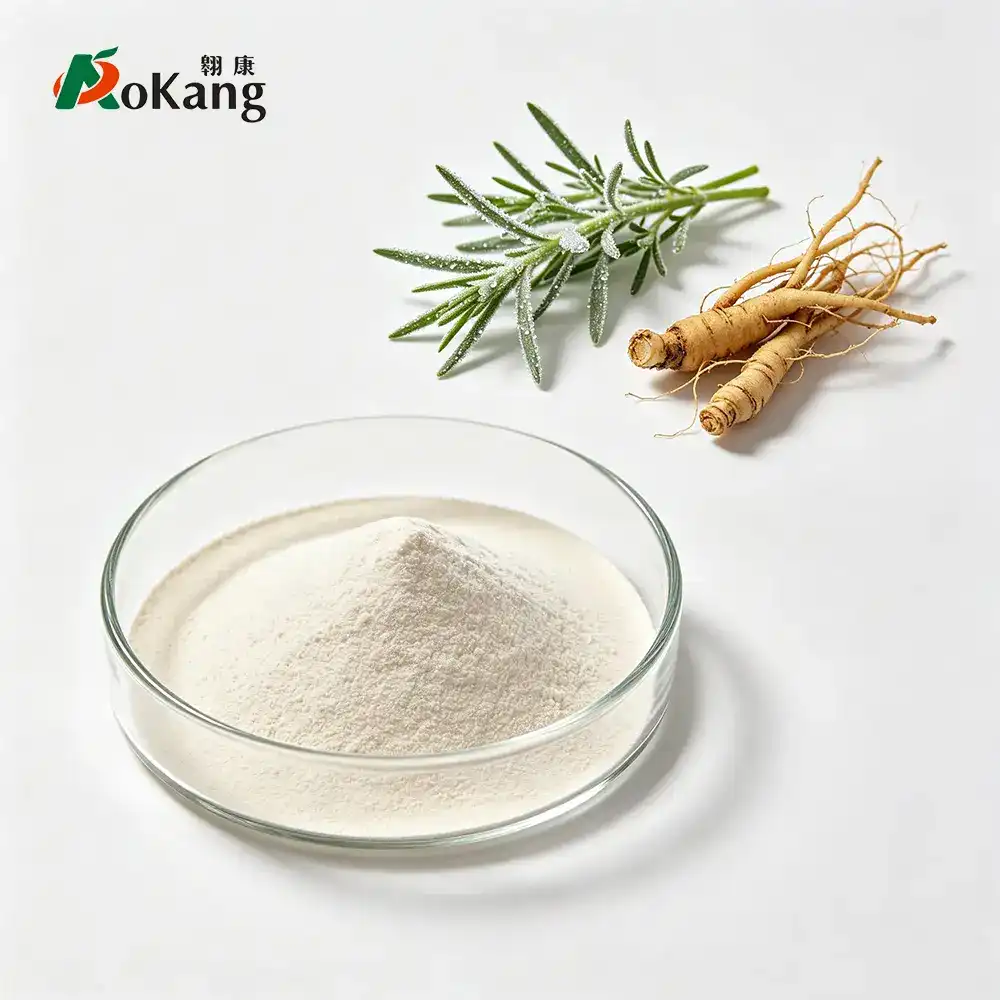
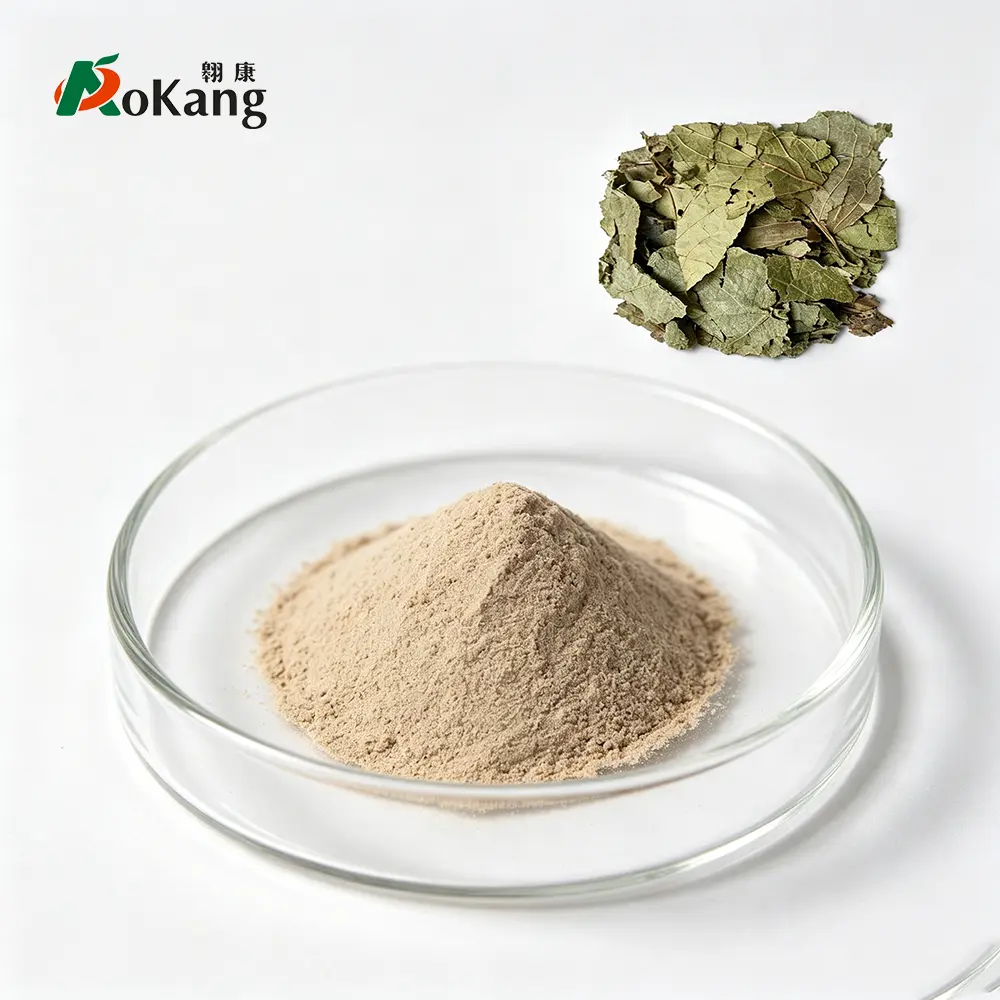
Finding a standard plant extract with reliable triterpenoid content can be like looking for a needle in a haystack when you are making metabolic health supplements or diuretic formulations. Alisma Extract, also called Alisma orientale or Rhizoma Alismatis extract in the scientific world, is a concentrated plant ingredient that has been shown to lower cholesterol, help with water retention, and keep blood sugar levels in check. The extract comes from the dried rhizomes of this water plant, and it gives procurement managers an ingredient that can be used in many ways and has been used for a long time, according to traditional practices and current phytochemical analysis. This article talks about how this extract helps with formulation issues, how it stacks up against plant options, and what B2B buyers should look for in a seller.
Understanding Alisma Extract: Properties, Benefits, and Usage
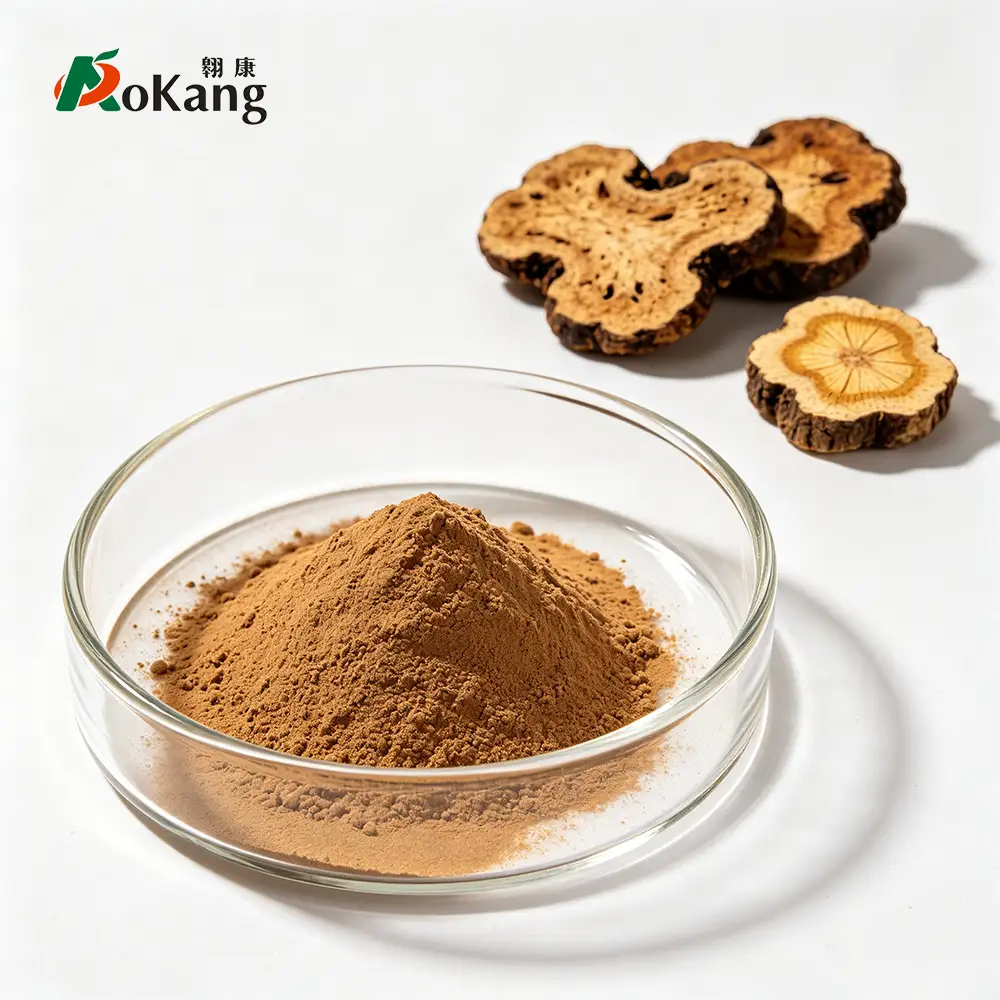
Traditional Chinese Medicine has used Alisma plantago-aquatica for hundreds of years to treat swelling, dysuria, and metabolic problems. Researchers have found that protostane-type triterpenoids, especially 23-Acetate Alisol B, are what make medicines work. Modern extraction methods can separate these compounds. This ingredient can be used in a wide range of formulations because it comes in extract ratios from 10:1 to 30:1 and standardized triterpenoid amounts from 0.5% to 2.5%, as tested by HPLC.
Active Compound Profile and Mechanisms
A group of triterpenoid molecules is what gives the drug its medical effects. As a quality control tool, Alisol B 23-acetate (CAS: 26575-95-1) is the most stable and effective marker. Studies in phytochemical journals show that these triterpenoids stop the formation of cholesterol esters, help the kidneys work by having mild effects on water levels, and change the way inflammation happens. Synthetic loop diuretics take away important minerals, but this plant ingredient gently flushes out water while keeping electrolyte balance, which is a huge benefit for long-term metabolic health formulations.
Applications in Modern Supplements
Rhizome powder from this plant is used by supplement companies to make weight loss pills, heart health mixes, and detox plans. Based on clinical findings, daily doses of 500 mg to 1000 mg seem to provide useful effects without causing strong watery effects. It's important to think about how well the extract dissolves in water. Standard powder forms work well in pills and tablets, but specialty types that are nano-emulsified or water-soluble work best in beverages to keep the powder from settling out of clear liquids.
Safety Profile and Regulatory Compliance
Suppliers of good quality offer a wide range of certifications, such as COA, HACCP, HALAL, ISO, Kosher, and SC approval. Pharmaceutical-grade ethanol is used in the extraction process to make sure that the amounts of leftover solvent meet USP standards. Stability tests show that the extract stays effective when kept in cool, sealed cases that are protected from light. Protocols for microbiological tests confirm the absence of E. coli and Salmonella, and make sure that the total number of plates is within the normal range for food additives.
Comparing Alisma Extract With Other Herbal Ingredients and Supplements
Before deciding on a final product standard, B2B formulation experts often evaluate multiple botanical ingredients, including Alisma Extract. Figuring out how Alisma Extract stacks up against other options is important for improving both effectiveness and cost.
Versus Dandelion Extract
Both ingredients have dehydrating effects, but they work in very different ways. Along with its ability to get rid of water, Dandelion (Taraxacum officinale) offers a wider range of vitamins and minerals, making it a good choice for general detox mixes. The Alisma choice has more concentrated triterpenoid content that targets glucose control and lipid metabolism. When making vitamins for metabolic syndrome, triterpenoid-rich products often work better than dandelion, which helps with nutrition in a general way. Purchasing managers who want strong effects on lowering lipids usually choose uniform triterpenoid content over varying dandelion preparations.
Comparative Advantages Over Synthetic Diuretics
Pharmaceutical diuretics work quickly, but long-term use can lead to fluid loss and kidney stress. Extracts from water plants that are made naturally have milder effects that are safe to take every day. The multi-target metabolic regulation—asking about blood sugar, lipid levels, and fluid balance all at the same time—provides formulation benefits that no manufactured substance can match. Because of this, plant extracts are very useful in complete metabolic health products where the effects of different ingredients work together to make the product more effective as a whole.
Formulation Format Considerations
Specifications for the extract ratio (10:1, 20:1, and 30:1) have a direct effect on the dose needed and the claims made on the package. A 20:1 extract turns 20 kg of raw rhizomes into 1 kg of finished powder, which means that each milligram has more power. Cost frameworks and focus levels must be balanced by procurement teams. Standardization to specific triterpenoid amounts measured by HPLC is a more accurate way to check the quality of an extract than using simple ratios. Specifications for mesh sizes greater than 80 mesh ensure the best blend accuracy in high-speed encapsulation equipment. This is a technical issue that is often forgotten until flow problems are found during production runs.
Procurement Guide: Sourcing Alisma Extract for Your Business
There are a lot of technical and practical things to think about when choosing a reliable plant extract provider. As the global supplement industry has grown, it has drawn many sellers. To keep product integrity, it is important to verify the suppliers.
Quality Verification Protocols
It is still necessary to ask for third-party reports of analysis. In addition to general chemical data, use ICP-MS to look for heavy metals like lead, arsenic, cadmium, and mercury. GC-MS/MS research should be used to look for at least 400 different pesticide residues. Thin Layer Chromatography (TLC) profiling against verified reference materials proves the identification of the plant material, which is very important because herbal supply lines sometimes have problems with substitutions. Using the QAMS (Quantitative Analysis of Multi-Components by Single Marker) method, suppliers show advanced quality control systems that keep an eye on four triterpenoid components while using 23-Acetate Alisol B as a standard.
Geographic Origin and Raw Material Traceability
Alisma Extract is primarily sourced from the dried rhizomes of Alisma orientale, a traditional herbal plant widely used in Asian medicine. The quality of Alisma Extract depends heavily on the origin and cultivation conditions of the raw material. According to traditional knowledge, Sichuan-origin rhizomes ("Chuan Ze Xie") are considered superior to those from Fujian because they contain higher levels of alisol compounds. Reliable suppliers of Alisma Extract provide geographical origin certification and maintain close relationships with cultivation bases to ensure consistent raw material quality. Traceability systems that record harvest dates, processing batches, and extraction parameters help maintain uniformity across production runs. When evaluating Alisma Extract suppliers, it is important to assess their cultivation acreage, annual processing capacity, and whether they manage core production processes in-house or rely on third-party brokers.
Bulk Pricing Structures and MOQ Considerations
The price of an extract depends on many things, such as the cost of the raw materials, the yield of the extraction, the need for standards, and the testing procedures. Higher levels of triterpenoid (2.5% vs. 0.5%) cost more because they need more steps to be processed and produce less. For normal specs, the minimum order quantity is usually 25 kilograms. For custom formulas, it may be 100 kilograms or more. When you negotiate yearly supply deals, you can often get better prices and make sure that you have enough inventory during busy manufacturing times. Buying by the container load (usually 5–10 metric tons) is the most cost-effective way to do it, but it takes a lot of storage space and money.
International Logistics and Lead Time Management
Most companies that sell plant extracts are based in Asia, so it's important to keep an eye on shipping dates and customs processes. Standard wait times are between 4 and 6 weeks from the time an order is confirmed until it arrives at the warehouse. This includes planning production, quality testing, export paperwork, and ocean freight transport. Timelines are cut down to 7–10 days with air freight, but landing costs go up by 30–50%. To protect against supply problems, procurement managers should keep enough safety stock on hand for three months. To figure out tax rates and import rules for different markets, it helps to know the HS codes for plant extracts, which are usually 1302.19 or 1302.32.
Trusted Alisma Extract Brands and Supplier Reviews
Within the plant extract market, there are both well-known and new companies. Find partners with a history of success to lower the risk of buying and ensure long-term product stability.
Spotlight on Aokang Biotech: Research-Driven Manufacturing Excellence
Hunan Aokang Biotech Co., Ltd. is a current example of a company that makes botanical extracts by combining scientific study with the ability to make a lot of them. The company Aokang was founded in 2016 by Dr. Shen Chali and combines doctoral-level knowledge with more than 20 years of practice in growing and handling traditional medicinal materials. The company has access to a national key laboratory, two local key laboratories, and four foreign research facilities that focus on managing chronic diseases and anti-aging processes. These facilities are closely related to metabolic health uses, where these extracts work best.
The vertical integration approach used by Aokang solves typical problems in procurement. Their more than 8,000-acre farming bases for medicinal herbs, making sure that they always have the right raw materials and don't have to count on changes in the spot market. The uniform seedling growing center grows more than two million seedlings every year, making sure that the genetics are the same from planting season to planting season. Processing options include primary facilities that cover almost 5,000 square meters and deep processing plants with more than 80 specialty tools that can handle more than 150 tons of fresh material each year for deep processing and 1,200 tons of fresh material for primary processing. Cold storage facilities with a total capacity of 200 tons keep raw materials safe all year long.
Alisma Extract suppliers with strong manufacturing capabilities often demonstrate their commitment to quality through certifications such as ISO9001 and SC standards, which indicate compliance with international quality management systems. Their technical teams have published research papers and professional books, enhancing academic credibility while supporting customers in product development. In addition, they offer flexible ODM/OEM services, allowing clients to customize Alisma Extract formulations ranging from standard 10:1 extracts to specialized polysaccharide-enriched products with up to 50% content. This level of customization helps brands develop distinctive products and strengthen their market positioning.
Evaluating Supplier Partnerships Through Due Diligence
Besides Aokang, the market has other providers that are worth looking at. Audits should look at how clean the production site is, how often the equipment is serviced, and how employees are trained. Systems for quality management should show how to use statistical process control to keep an eye on key factors across runs. Customer examples from well-known supplement brands can help you figure out how reliable a seller is when demand changes. Even though they take a lot of time and money, site visits are still the best way to make sure that a supplier is qualified because they show practical facts that certifications alone can't.
Future Trends and Innovations in Alisma Extract Applications
The food supplement business is always changing because new studies come out and people want natural ways to improve their metabolic health.
Emerging Research Directions
Triterpenoid mixtures are being studied in ongoing clinical studies to help treat metabolic syndrome and non-alcoholic fatty liver disease (NAFLD). Scientists are looking into what happens when they mix alisol chemicals with other plant products, such as berberine or green tea catechins. Pharmacokinetic studies that look at how to improve bioavailability through nano-encapsulation or phospholipid complexation may lead to new products that work better with smaller doses. These changes put forward-thinking suppliers in a good situation to come up with new delivery methods that meet the changing needs of formulations.
Market Growth Projections and Strategic Opportunities
The demand for natural chemicals that control lipids and make you pee more consistently rises every year. This is especially true in North America and Europe, where regulations favor plant supplements. Multi-target metabolic regulators are a great way to set your product apart in the weight management area alone, which is a multi-billion-dollar market segment. Functional beverage uses are still not fully explored, which is good news for companies that are working on water-soluble or nano-emulsified forms. Brands that can successfully talk about the history of traditional medicine along with current phytochemical proof get the top spot in the market.
Conclusion
Alisma Extract is a plant ingredient that has been proven to work by science. It is used to make important supplements for weight loss, digestive health, and diuretic needs. Its standardized triterpenoid content, especially 23-Acetate Alisol B, gives it a constant pharmacological action that is backed by both old and new studies. For people who work in B2B procurement, the key to success is choosing providers that offer full quality control, solid raw material sourcing, and expert support services. The extract affects cholesterol metabolism, blood sugar control, and fluid balance all at the same time, which makes it easier to make formulations that work better than those made with single-action ingredients. As the need for natural metabolic health products grows, building partnerships with certified manufacturers is the best way to stay competitive in this rising market area.
FAQ
What makes 23-Acetate Alisol B the preferred marker compound?
This particular triterpenoid has the best pharmacological activity and chemical stability of all the alisol molecules. This makes it the standard for checking quality and strength. Its presence is constant across rhizomes that have been properly handled, which makes standardization reliable.
Can this extract be incorporated into beverage formulations?
Standard powder extracts don't mix well with water, which could lead to precipitation in clear drinks. Specialized grades that dissolve in water or nano-emulsified versions made for liquid uses keep the product clear throughout its shelf life and stop buildup.
How should the extract be stored to prevent quality degradation?
Because it absorbs water, it needs to be stored in fiber drums with desiccant packets inside double-layered plastic bags. Triterpenoid stability and moisture-related clumping can be maintained for up to 24 months by keeping the product in a temperature-controlled setting below 25°C and shielding it from light.
Does the extract cause harsh diuretic effects?
When made according to the rules for dietary supplements and taken in doses of 500 to 1000 mg per day, the extract has mild effects on water retention that support the body's natural fluid balance. It doesn't have strong diuretic effects that drain essential electrolytes, so it can be used for long-term supplementation plans.
Partner With Aokang for Premium Botanical Extract Solutions
Aokang Biotech is ready to help you build your metabolic health supplement with Alisma Extract, which is backed by studies and made to strict quality standards. Our model of vertical integration, which includes approved cultivation bases that cover more than 8,000 acres and ISO9001-certified processing facilities, makes sure that the supply chain is reliable, which is what procurement managers rely on. We offer both technical know-how and the ability to make large amounts of products. We have doctoral-level research support, special preparation services, and the ability to handle 150 tons or more of deep processing every year. Whether you need standard extract ratios or specific triterpenoid amounts, our team works with B2B clients to make sure that the specifications they get meet all of their manufacturing needs. You can email our purchasing agents at sales@aokangbio.com to get full product specs, certificates of analysis, and chances to try out samples. As a reliable provider of Alisma Extract to nutraceutical companies all over the world, we offer low prices and the quality guarantee that your brand's image demands.
References
1. Chinese Pharmacopoeia Commission. "Pharmacopoeia of the People's Republic of China, Volume I." China Medical Science Press, 2020.
2. Feng, Y., et al. "Triterpenoids from Alisma orientalis and their anti-inflammatory activities." Journal of Natural Products, vol. 82, no. 4, 2019, pp. 1055-1063.
3. Li, X., and Wang, M. "Pharmacological effects and clinical applications of Alisma orientale." Chinese Herbal Medicines, vol. 11, no. 3, 2019, pp. 222-231.
4. Zhang, H., et al. "Quality control of Alisma orientale rhizome using quantitative analysis of multi-components by single marker." Phytochemical Analysis, vol. 30, no. 5, 2019, pp. 567-575.
5. Chen, J., et al. "Metabolic regulation effects of alisol triterpenoids: mechanisms and therapeutic potential." Biomedicine & Pharmacotherapy, vol. 128, 2020, article 110263.
6. Wu, S., and Liu, Y. "Comparative study on chemical constituents and bioactivities of Alisma species from different geographic origins." Journal of Ethnopharmacology, vol. 251, 2020, article 112548.
_1781247747440.webp)