- English
- French
- German
- Portuguese
- Spanish
- Russian
- Japanese
- Korean
- Arabic
- Irish
- Greek
- Turkish
- Italian
- Danish
- Romanian
- Indonesian
- Czech
- Afrikaans
- Swedish
- Polish
- Basque
- Catalan
- Esperanto
- Hindi
- Lao
- Albanian
- Amharic
- Armenian
- Azerbaijani
- Belarusian
- Bengali
- Bosnian
- Bulgarian
- Cebuano
- Chichewa
- Corsican
- Croatian
- Dutch
- Estonian
- Filipino
- Finnish
- Frisian
- Galician
- Georgian
- Gujarati
- Haitian
- Hausa
- Hawaiian
- Hebrew
- Hmong
- Hungarian
- Icelandic
- Igbo
- Javanese
- Kannada
- Kazakh
- Khmer
- Kurdish
- Kyrgyz
- Latin
- Latvian
- Lithuanian
- Luxembou..
- Macedonian
- Malagasy
- Malay
- Malayalam
- Maltese
- Maori
- Marathi
- Mongolian
- Burmese
- Nepali
- Norwegian
- Pashto
- Persian
- Punjabi
- Serbian
- Sesotho
- Sinhala
- Slovak
- Slovenian
- Somali
- Samoan
- Scots Gaelic
- Shona
- Sindhi
- Sundanese
- Swahili
- Tajik
- Tamil
- Telugu
- Thai
- Ukrainian
- Urdu
- Uzbek
- Vietnamese
- Welsh
- Xhosa
- Yiddish
- Yoruba
- Zulu
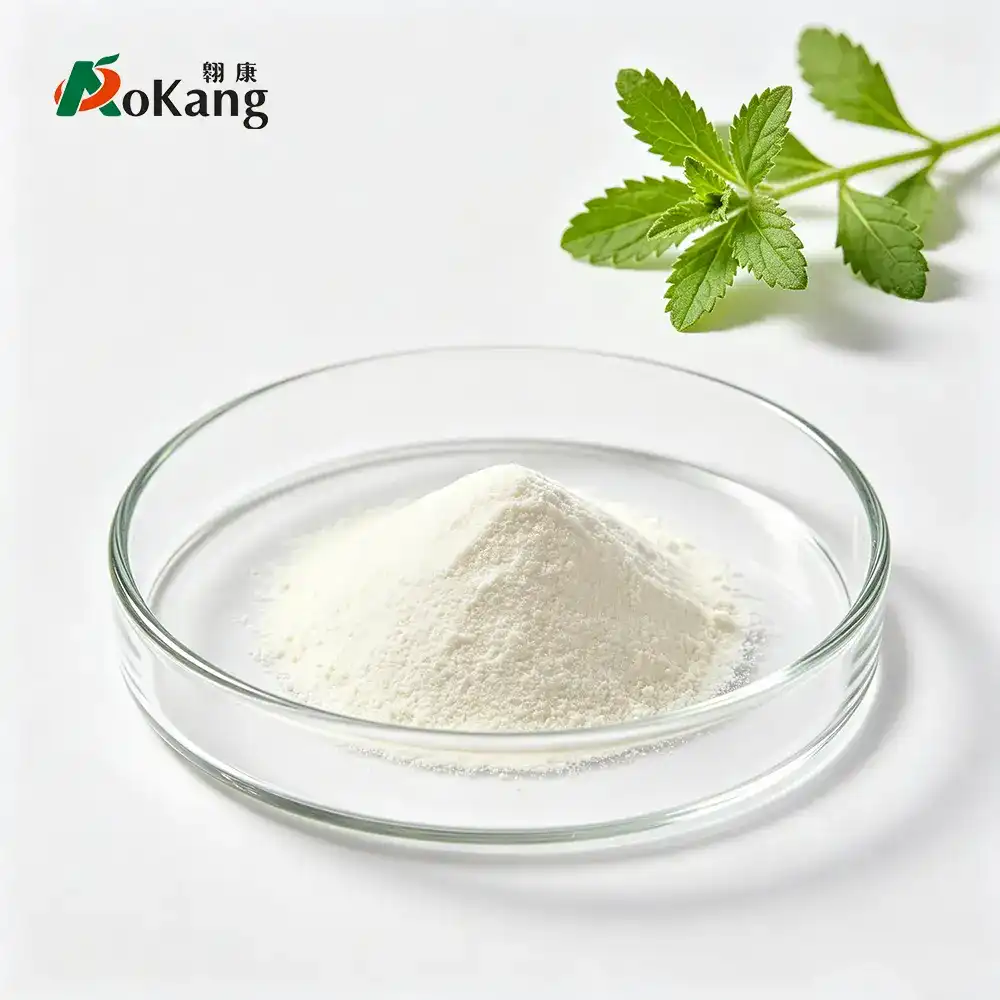
Gynostemma Pentaphyllum Extract, also called Jiaogulan extract, is a strong plant-based ingredient that comes from the roots and leaves of a growing vine that grows naturally in southern China and other parts of Asia. The gypenosides in this extract are saponin chemicals that are chemically similar to the ginsenosides found in Panax ginseng. They are good for your metabolism, your heart, and your ability to adapt to new situations. This ingredient is known as "Southern Ginseng" because it has a similar chemical profile to ginseng but is cheaper. It is standardized to contain at least 50% total gypenosides by UV-Vis analysis. This extract is being used more and more in functional drinks, dietary supplements, and other products to meet customers' desire for natural health solutions that have been proven to work by science.
Understanding Gynostemma Pentaphyllum Extract
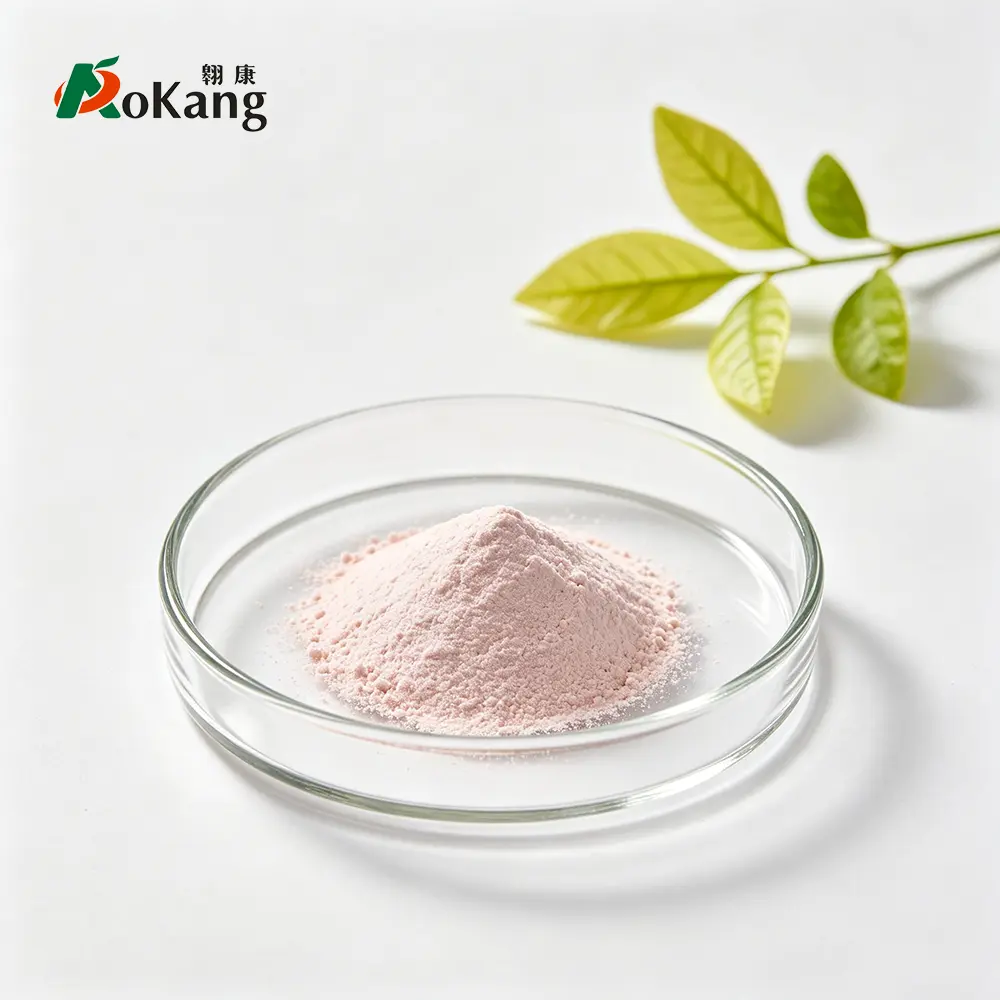
This product comes from plants that have been used for hundreds of years in traditional Chinese medicine. Jiaogulan was valued for its ability to make people live longer and be healthier. Modern methods of extraction mostly use ethanol as a solvent, which separates more than 80 different gypenosides while protecting their structure as fragile bioactive chemicals. Depending on the purity level, the powder that is made runs from brownish-yellow to light yellow. It is very stable when kept in a sealed, light-protected, dry place below 25°C.
Botanical Origins and Extraction Methods
Gynostemma Pentaphyllum Extract grows well in mountainous areas of Asia, especially in the Xuefeng Mountain area, where managed farming makes sure that the quality of the raw materials is always the same. The leaves and stems are carefully picked and then put through an ethanol extraction process to concentrate the gypenosides and get rid of any other plant material that isn't needed. This method keeps the dammarane-type saponins that give the extract its healing properties. Powders that meet international mesh size standards, usually passing 80 mesh for best flowability in packaging and tableting processes, are made in advanced processing facilities with temperature-controlled drying systems and particle size reduction equipment.
Active Compounds and Chemical Profile
Gypenosides are the main parts of this extract. Compounds Rb1, Rb3, Rd, and F2 are physically similar to certain ginsenosides. Because of this one-of-a-kind chemistry agreement, the extract has adaptogenic qualities without the stimulating effects of regular ginseng. Total gypenoside content varies by standard. For precise preparation work, pharmaceutical-grade samples can be up to 98% pure. In addition to saponins, the extract also has flavonoids and carbohydrates that help it work as an antioxidant. HPLC analysis gives exact measurements of each gypenoside fraction, giving formulators full control over the bioactive doses in final products.
Health Benefits Backed by Research
Multiple biochemical effects of gypenosides have been shown in clinical studies. Lipid metabolism control helps the heart. Studies have shown that people who ate Standardized Extracts had lower amounts of LDL cholesterol and triglycerides. The chemicals turn on AMP-activated protein kinase (AMPK), a cell energy indicator that makes it easier for cells to take in glucose and burn fat. This is how the extract works to help with weight loss programs that target metabolic syndrome. The ingredient is useful for immune support products because it changes the immune system by increasing the activity of natural killer cells and controlling cytokines. Endurance trials have been used to test anti-fatigue qualities. During long exercise, subjects showed better oxygen use and lactate clearance.
Safety Profile and Dosage Guidelines
Toxicological tests show that Jiaogulan extract is generally safe, with no side effects seen at amounts of 200 to 800 mg per day for standardized 20 to 98% gypenoside extracts. In both short-term and long-term animal tests, the ingredient shows low levels of harm. Some types of extract used in functional foods and drinks have been given GRAS recognition by regulatory groups. Manufacturers should be aware that products with a lot of saponin can taste slightly bitter, so the flavor needs to be carefully hidden in products that people will use. Stability testing shows that the product's effectiveness is maintained for 24 to 36 months when stored correctly, which supports a fair expiration date for final goods.
Comprehensive Guide to Choosing the Right Gynostemma Pentaphyllum Extract
When choosing plant extracts such as Gynostemma Pentaphyllum Extract for product creation, procurement managers have to make very important choices. The quality range is very wide, depending on how the cannabis is grown, how precisely it is extracted, and how skilled the seller is. Understanding these factors stops recipe mistakes that cost a lot of money and ensures that all target markets follow the rules.
Organic Versus Conventional Extract Quality
Organic approval is very useful for companies that want to sell to health-conscious people who care about clean labels. Certified organic Gynostemma comes from fields that haven't used manmade fertilizers or pesticides for at least three years. The plant's history can be tracked from seed to extract. This way of growing usually results in slightly lower levels of gypenoside, but it gets rid of worries about chemical residues that can delay product launches. Conventional extracts often work better and cost less, so they're good for price-conscious areas where organic claims aren't as important. Multi-residue pesticide screening should be part of all testing methods, even if the food is organic, because contamination can happen during handling and storage.
Comparing Extract Forms and Formats
Each of the three main forms is used for a different type of manufacturing. Fine powders with particle sizes between 80 and 100 mesh work well with capsule mixes and tablet matrices, giving you the freedom to make your own recipe ratios. Because they need special tools to be processed, spray-dried forms cost more than other types but dissolve better in drinks where clarity and mouthfeel are important. Tea-cut materials keep the traditional way of drinking tea alive while also giving you lower concentration choices that work for useful tea blends and infusion products. For example, measuring the mass density of powders to see how well they run is different from analyzing the particle size distribution of materials meant for drinks.
Differentiation from Other Adaptogens
When you compare Jiaogulan to ginseng and ashwagandha, you can see where it could be strategically placed. Gynostemma Pentaphyllum Extract works by activating metabolic pathways through AMPK, while ashwagandha's main way of dealing with stress is by changing cortisol levels. Because of this difference, it is especially useful for formulas that aim to improve metabolic health rather than just stress management. Compared to Panax ginseng, the price difference is 30–50% per similar bioactive dose, which lets prices be competitive without lowering claims of effectiveness. It is different from Rhodiola and other energizing adaptogens because it is not stimulating. This means it can be used in evening health goods where stimulants are not appropriate.
Supplier Certification and Quality Standards
Reliable extract sellers keep a number of licenses that show they know how to make safe products and how to make them properly. ISO9001 approval makes sure that production processes are governed by uniform quality management systems. This cuts down on batch-to-batch variation that makes it harder to get consistent results. Food safety and pharmaceutical production practices are specifically covered by HACCP and GMP licenses. This is very important for supplements and functional foods that want to sell in controlled markets. Halal and Kosher approvals make it easier for goods that are aimed at these groups of people to get into more markets. The SC certification that is unique to Chinese food production licensing proves that the making is legal and allowed by China's rules. Buyers should ask for copies of certificates with up-to-date expiration dates and use databases maintained by the granting body to make sure the certificates are real.
Traceability and Raw Material Sourcing
Complete openness in the supply chain is what sets high-end suppliers apart from commodity dealers. The ability to track crops starts at the cultivation sites, where GPS coordinates, planting times, and agricultural inputs are written down for each yield lot. This data goes through basic processing, which gets rid of wetness and cleans the material for the first time. It then goes to extraction facilities, where batch records connect the raw materials that come in with the finished extract lots. Advanced providers give records of analysis that are specific to each batch and show heavy metal screening, microbial tests, pesticide residues, and gypenoside quantification. Being able to track a finished extract back to specific fields lets you act quickly if quality problems arise and shows regulatory authorities that you did your job properly.
Procurement Insights: Buying Gynostemma Pentaphyllum Extract in Bulk
To strategically source plant products like Gynostemma Pentaphyllum Extract, you need to know more about how the market works than just comparing prices. Total cost of ownership includes things like consistent quality, reliable logistics, expert assistance, and the ability to make changes that have a big effect on how well a product does.
Identifying Reputable Global Suppliers
Integrated producers, who are in charge of both farming and extraction, and trading companies that buy from contract makers are the two main types of suppliers. Integrated providers, such as Aokang Biotech, have their own cultivation bases that cover more than 8,000 acres and have plans to grow to over 20,000 acres. This gives them better control over quality and supply consistency. This vertical integration makes sure that there are enough raw materials when there are gaps in the market, which can mess up supply lines that depend on brokers. Geographic concentration in the Xuefeng Mountain area of Hunan Province makes it easy to grow crops and be close to facilities for handling them. As part of your due research, you should check out the building and look at the extraction equipment's capacity, the quality control labs, and the cold storage systems that keep the ingredients stable.
Understanding Essential Certifications
In addition to basic quality certifications, specialty qualifications meet the needs of certain markets. Nutraceutical companies that make animal nutrition products need to get FAMI-QS approval to show that they meet quality standards for feed additives. IP (Identity Preserved) Non-GMO certification gives proof that materials come from sources that have not been genetically changed. This is becoming more and more important for markets in Europe and some parts of North America. As a supplier, you have to pay a lot of money to get these certificates, which show that you care about quality by requiring yearly audits and ongoing paperwork. Verification through the websites of certification bodies stops false claims and makes sure that the state of compliance is up to date.
Pricing Factors and Volume Considerations
Price changes for extracts are affected by more than just supply and demand. Gypenoside content has a direct effect on price; for example, 98% pure extracts are three to four times more expensive than 20% standardized materials. Different price levels are set based on the size of the order. At 500 kg, 1000 kg, and multi-ton agreements, prices drop significantly. Lead times change with the seasons because of crop times. The best times to get raw materials are in the spring and fall. Freight costs have a big effect on the total landing cost, especially for temperature-sensitive goods that need to be shipped in crates that are kept cool. Price stability is affected by changes in the USD and RMB, which is why longer-term supply deals are good for planning.
Procurement Workflows and Customization
To make buying go smoothly, there must be clear scientific standards that spell out the accepted amounts of gypenoside content, solvent residue limits, microbial factors, and physical properties. Request for quote papers should list the licenses that are needed, the type of packing that is preferred, and the standard Incoterms for delivery terms. Sample review comes before business orders, which allows formulation compatibility and stability tests to be done. Customization choices include selecting a particular gypenoside profile, changing the particle size, and adding a carrier to make the mixture move better. OEM and ODM partnerships allow suppliers to make full goods that meet brand standards. This is called private label development, and it's especially helpful for companies that don't have their own formulation experts.
Practical Applications and Use Cases for Gynostemma Pentaphyllum Extract
Understanding application-specific formulation problems and regulatory routes is necessary to turn the promise of raw ingredients such as Gynostemma Pentaphyllum Extract into goods that can be sold. Achieving marketing requires balancing claims of effectiveness with the ability to make the product and meeting legal standards.
Integration into Dietary Supplements
The main type of supplement is cardiovascular health vitamins, which come in forms that help lower cholesterol and raise blood pressure. Capsules or tablets are usually used to give 300 to 600 mg of 50 to 80% gypenoside extracts per dose. In combination formulas, Jiaogulan is mixed with bergamot extract, plant sterols, or omega-3 fatty acids to lower cholesterol more effectively. AMPK activation is used in weight loss products, and the extract is often mixed with green tea catechins, conjugated linoleic acid, or chromium to help the metabolism in a more complete way. Adaptogenic traits are used in anti-fatigue and energy pills without the side effects of stimulants. This makes them appealing to people who want long-lasting energy instead of short-term energy spikes.
Functional Food and Beverage Applications
When formulating drinks, adding saponin-rich ingredients can make them hard to dissolve and change the taste. Clear RTD tea and sports drinks can be made with grades that dissolve in cold water and are processed by spray-drying or chemical modification. Some ways to hide bitterness are to use citrus flavor systems, stevia sweeteners, or monk fruit products that work with the herb's natural taste instead of against it. Standardized extracts are used in functional snack bars and protein shakes to support metabolic health, and the powder form mixes easily into complicated mixtures. Different places have different rules about what needs to be done. In some EU markets, Novel Food approvals are needed, and in the US, NDI reports may be needed based on proof of past use.
Manufacturing Best Practices
Testing of arriving raw materials is the first step in quality control. Supplier records of analysis are checked by an independent laboratory to make sure they are correct. Confirming the gypenoside content using HPLC or UV-Vis stops manufacturing problems caused by batch differences. When you test for stability under fast conditions (40°C/75% RH), you can find out how things break down and choose the best packing materials. Hygroscopic powders don't clump when they're stored in HDPE bottles with desiccant inserts or aluminum foil laminating bags that keep moisture out. Testing for mixing regularity makes sure that the mixture is spread out evenly in capsule fills and pill blends, which is important for meeting the requirements of the label claim. Environmental tracking programs in factory areas keep microbes from getting into products and making them go bad faster.
Conclusion
The high gypenoside content of Gynostemma Pentaphyllum Extract has been shown by science to support overall health and wellness. As a premium botanical ingredient, Gynostemma Pentaphyllum Extract is widely used by formulators developing products for cardiovascular support, metabolic balance, and stress adaptation. Because the structure of the extract is similar to that of ginseng saponins, it works just as well at a much lower cost, which lets the product compete in the vitamin, functional food, and beverage categories. To make a good purchase, you need to carefully evaluate suppliers by looking at their control over cultivation, extraction technology, certification portfolios, and expert support skills. As the demand for natural, scientifically supported health products continues to grow, Gynostemma Pentaphyllum Extract can help brands stand out in the crowded metabolic health and healthy aging markets. When manufacturers focus on quality and partner with vertically integrated suppliers, they gain the stable supply chain and technical expertise needed for long-term product success.
FAQ
Is long-term use of Gynostemma Pentaphyllum Extract safe?
Standardized Jiaogulan extracts can be taken for a long time at the suggested amounts, according to a lot of safety data. Traditional use that goes back hundreds of years in Asian cultures shows that it is safe, and current toxicology tests show that it has no bad effects when given over a long period of time. People who take anticoagulant drugs should talk to their doctors because they might have mild effects on thinning the blood. Because there aren't enough safety statistics in these groups, pregnant and nursing women shouldn't use it.
How does the antioxidant capacity compare to green tea extract?
In tests that measure their ability to get rid of free radicals, gypenosides show about the same level of antioxidant activity as green tea catechins. Different ways work: polyphenols in green tea work as direct antioxidants, while gypenosides boost natural antioxidant enzyme systems like glutathione peroxidase and superoxide dismutase. This indirect process protects against free radicals over time, unlike the short-term benefits of eating polyphenols. Combining the two ingredients in a formula makes the antioxidant pathways work better because they work with each other.
What factors matter most when selecting bulk suppliers?
There are three important things that decide which provider is best: the ability to control the cultivation base to make sure that the raw materials are consistent, the ability of the extraction technology to produce specific gypenoside profiles, and the certification portfolios that meet the needs of the target market. When compared to brokers who rely on spot market sales, suppliers who run their own farming bases, like Aokang, offer supply security. Having access to technical support helps with formulation problems and the need for legal paperwork. Minimum order amounts and the ability to customize products affect how inventory is managed and how products can be set apart from each other.
Partner with Aokang for Premium Gynostemma Pentaphyllum Extract
Aokang Biotech has been making Gynostemma Pentaphyllum Extract for more than 20 years and is one of the best companies in the world at it. Our fully integrated business covers more than 8,000 acres of controlled cultivation grounds in the Xuefeng Mountain area. This makes sure that the quality of our raw materials stays high and that our supply lines don't break down. Our extracts meet the high standards of nutraceutical, pharmaceutical, and functional food producers around the world. They have a uniform gypenoside content of more than 50% and are certified by ISO9001, SC, HACCP, Halal, and Kosher. Our doctoral-level research team, which is led by Dr. Shen Chali, works with key national and regional labs to move anti-aging study and product development forward. Our 1,200-ton annual processing capacity and flexible customization options support projects from research to market scale, whether you need bulk ingredient supply, custom extraction specifications, or full OEM/ODM solutions. For your next formulation project, email our team at sales@aokangbio.com to get examples, scientific information, and prices.
References
1. Li, X., Chen, T., Wong, Y.S., Xu, G., & Fan, R.R. (2011). Involvement of mitochondrial dysfunction in gypenoside-induced apoptosis of human hepatoma cells. Journal of Natural Products, 74(6), 1183-1189.
2. Gauhar, R., Hwang, S.L., Jeong, S.S., Kim, J.E., Song, H., Park, D.C., Song, K.S., Kim, T.Y., Oh, W.K., & Huh, T.L. (2012). Heat-processed Gynostemma pentaphyllum extract improves obesity in ob/ob mice by activating AMP-activated protein kinase. Biotechnology Letters, 34(9), 1607-1616.
3. Megalli, S., Davies, N.M., & Roufogalis, B.D. (2006). Anti-hyperlipidemic and hypoglycemic effects of Gynostemma pentaphyllum in the Zucker fatty rat. Journal of Pharmacy & Pharmaceutical Sciences, 9(3), 281-291.
4. Razmovski-Naumovski, V., Huang, T.H., Tran, V.H., Li, G.Q., Duke, C.C., & Roufogalis, B.D. (2005). Chemistry and pharmacology of Gynostemma pentaphyllum. Phytochemistry Reviews, 4(2-3), 197-219.
5. Aktan, F., Henness, S., Roufogalis, B.D., & Ammit, A.J. (2003). Gypenosides derived from Gynostemma pentaphyllum suppress NO synthesis in murine macrophages by inhibiting iNOS enzymatic activity and attenuating NF-kappaB-mediated iNOS protein expression. Nitric Oxide, 8(4), 235-242.
6. Chiranthanut, N., Teekachunhatean, S., Panthong, A., Khonsung, P., Kanjanapothi, D., & Lertprasertsuk, N. (2013). Toxicity evaluation of standardized extract of Gynostemma pentaphyllum Makino. Journal of Ethnopharmacology, 149(1), 228-234.
_1781247747440.webp)